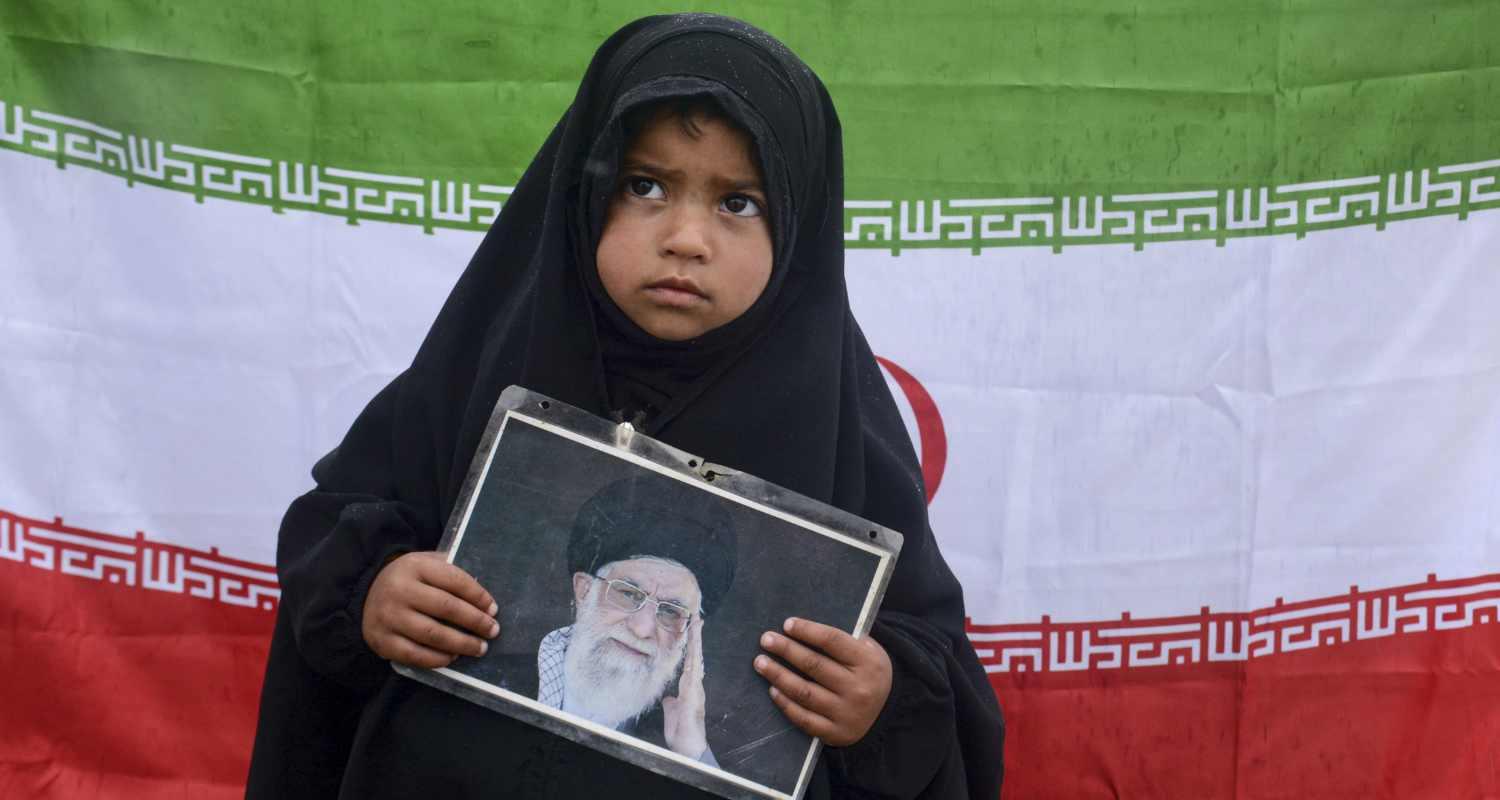
The US and Iran finally came under one roof and agreed to a two-week ceasefire with the reopening of the Strait of Hormuz, effective immediately on Wednesday. Well, it’s not like a full stop on the war, but a temporary halt. The discussions between the two countries will continue with a major diplomatic engagement between the United States and Iran set to take place in Islamabad, Pakistan, on Friday, April 10, where both sides will hold direct talks aimed at ending weeks of intense hostilities following the outbreak of war in February.
But what is Tehran’s “10-point” plan to which the US agreed immediately, soon after its President Donald Trump gave a stern warning — “a whole civilisation will die tonight, never to be brought back again. I don't want that to happen, but it probably will.”
Reportedly, Pakistan is the mediator who made this happen — the truce — between the US and Iran. Tehran’s 10-point proposal, reportedly submitted via Islamabad, addressed a wide range of contentious issues, including the nuclear programme, regional security concerns, sanctions relief, and primary and secondary sanctions dating back roughly 45 years. This plan, according to state media, forms the basis for the negotiations in Pakistan and will be part of the discussions aimed at laying out a path toward a lasting peace.
"Based on conversations with Prime Minister Shehbaz Sharif and Field Marshal Asim Munir, of Pakistan, and wherein they requested that I hold off the destructive force being sent tonight to Iran, and subject to the Islamic Republic of Iran agreeing to the COMPLETE, IMMEDIATE, and SAFE OPENING of the Strait of Hormuz, I agree to suspend the bombing and attack of Iran for a period of two weeks. This will be a double-sided CEASEFIRE!" Trump said.
What are these 10-conditions?
No more attacks — The US must agree not to carry out any military action against Iran.
Control over Strait of Hormuz — Iran will continue to control and oversee movement through this key oil route.
Right to nuclear enrichment — Iran wants acceptance of its right to continue nuclear enrichment activities.
End of US primary sanctions — All direct US economic sanctions on Iran must be removed.
End of secondary sanctions — The US should stop penalising other countries for doing business with Iran.
Termination of all UN sanctions — All United Nations Security Council restrictions on Iran should be lifted.
End of nuclear watchdog pressure — Resolutions against Iran by the International Atomic Energy Agency (IAEA) should be scrapped.
Compensation for damages — Iran wants financial compensation for losses caused by the war and sanctions.
US troops to leave Middle East — American military forces should withdraw from West Asia.
End to all conflicts, including Lebanon — Fighting must stop everywhere, including against Iran-backed groups like Hezbollah.
Despite the ceasefire and the diplomatic engagement, deep mistrust remains on both sides. Iranian officials have been reported to enter talks with "complete distrust" toward the American side, reflecting scepticism about Washington's intentions even as both countries seek an end to hostilities and a framework for future relations.

 Follow us