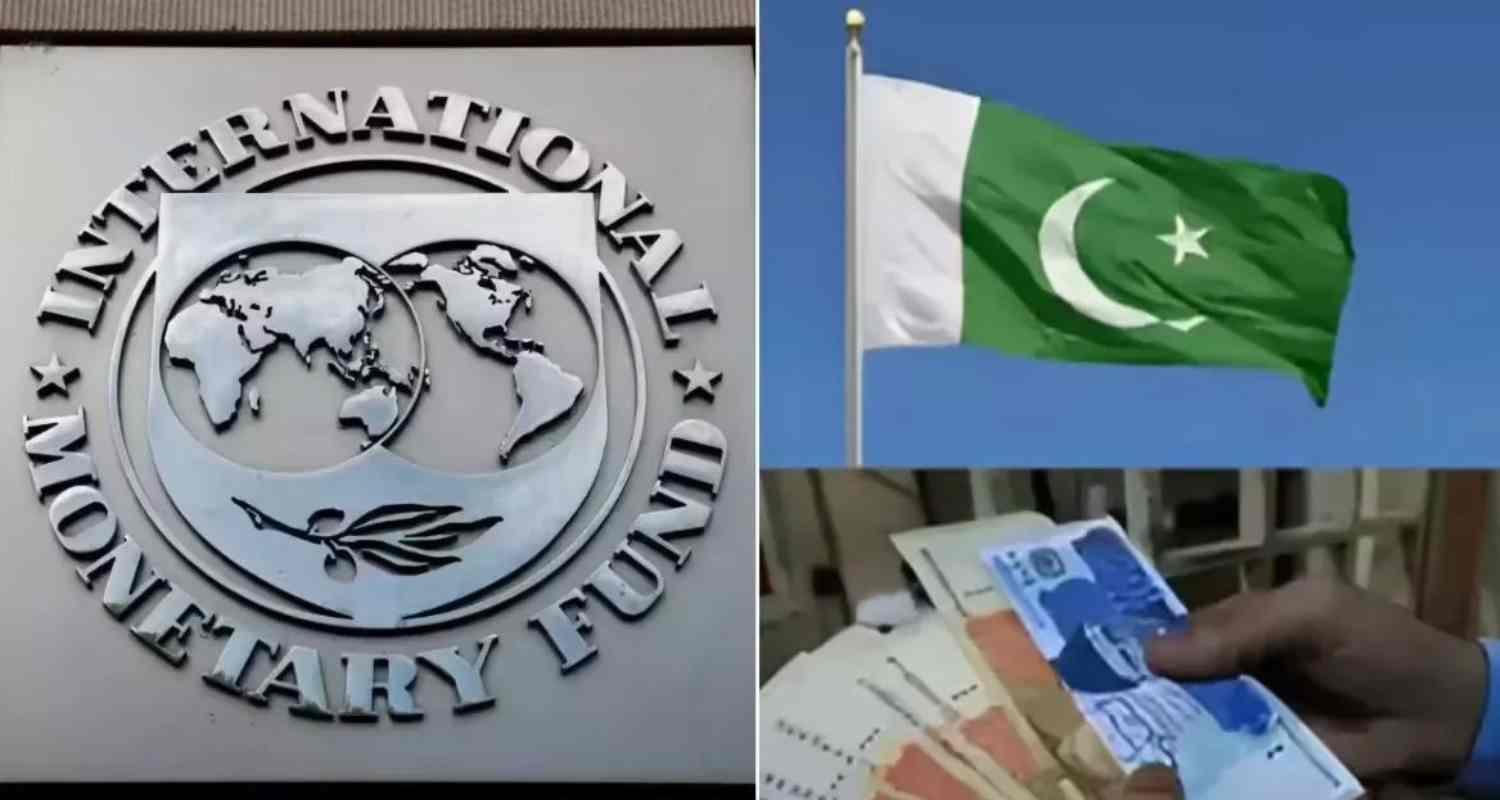
The International Monetary Fund (IMF) has delivered a damning indictment of Pakistan's governance system, highlighting how elite manipulation, weak institutions and political patronage continue to undermine the country's economic stability. The IMF's Governance and Corruption Diagnostic Assessment (GCDA) shifts focus from the Fund's usual fiscal prescriptions to a comprehensive evaluation of corruption and institutional decay in Pakistan.
The IMF study identifies critical governance gaps in the rule of law, public procurement, taxation, fiscal management and state-owned enterprises (SOEs). The report describes a governance landscape dominated by influential power networks that exploit public resources for private gain. It notes that policymaking in sectors such as energy, real estate, agriculture, and sugar is distorted by "elite capture", where decisions are tailored to benefit a few rather than the broader population.
The IMF estimates that Pakistan's GDP could grow by up to 6.5 per cent in five years if genuine governance reforms were enacted. However, the costs of inefficiency, corruption, and mismanagement continue to fall on ordinary citizens, who endure rising inflation, poor public services and limited opportunities. Fiscal governance remains particularly vulnerable, with major gaps between budget allocations and actual spending, opaque reallocation practices, and weak internal audits across ministries.
Also Read: Breaking down India’s 8.2 pc GDP footprint
The tax regime also faces systemic vulnerabilities. The IMF criticises widespread tax evasion and selective enforcement but avoids addressing how its own policy-driven tax hikes have hurt the formal sector and pushed businesses into informality. Similarly, the report cites the mismanagement of SOEs, especially in the energy sector, where political interference, poor oversight, and circular debt persist unchecked.
The IMF proposes a 15-point reform plan urging digital procurement, tax simplification, parliamentary oversight, and stronger anti-corruption institutions.
Yet, the IMF states that Pakistan's greatest challenge remains its lack of political will. Entrenched interests benefiting from the current system have repeatedly derailed reform efforts. The IMF's findings serve as a wake-up call. Pakistan's governance crisis is no longer a technical issue but a structural one sustained by those who profit from its failure.

 Follow us