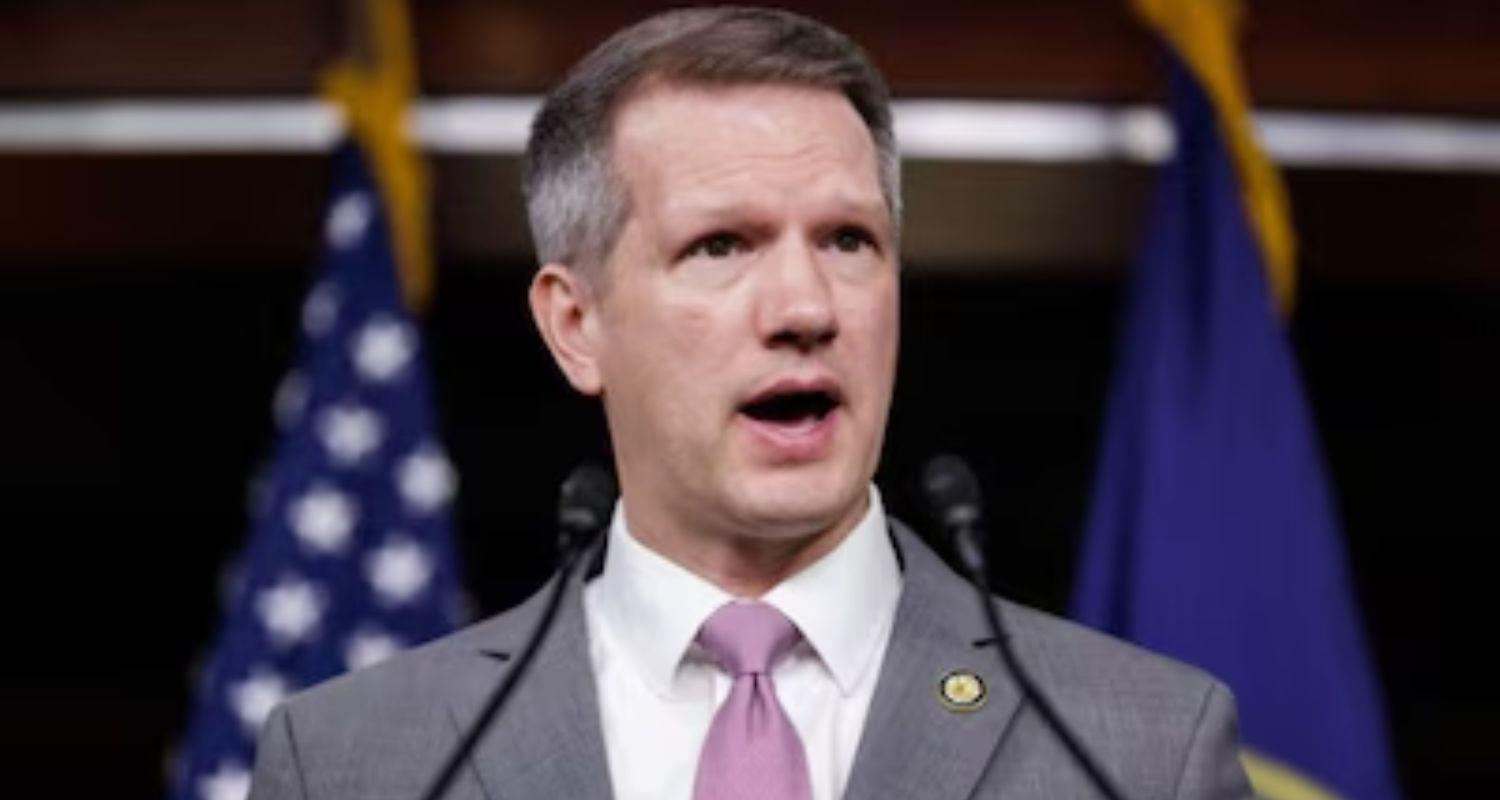
A proposed amendment to India’s Foreign Contribution (Regulation) Act (FCRA) has drawn sharp criticism from US Congressman Riley Moore, who labelled the legislation "a clear attack against Christians" and warned it could emerge as a sticking point in bilateral relations between India and the United States.
Speaking out as the Foreign Contribution (Regulation) Amendment Bill, 2026 continues to spark intense debate during Parliament's ongoing Monsoon Session, Moore alleged that the updated provisions could enable the government to assume control of churches and religious charities. Writing on X, the congressman highlighted the deep-rooted presence of Christianity in the country — dating back to St Thomas the Apostle’s arrival on the Malabar Coast — before warning that the proposed powers to take over religious institutions and charities would become a major concern for Washington if passed in its current form.
The proposed legislation aims to overhaul the Foreign Contribution (Regulation) Act, 2010, which regulates how non-governmental organisations, charitable trusts, educational institutions, and religious bodies receive and utilise foreign funding. Under current law, entities must hold a valid registration from the Ministry of Home Affairs, subject to renewal every five years. Official figures show that as of mid-July 2026, India had 14,449 active FCRA registrations, while over 22,000 had been cancelled and more than 15,000 had expired. Between 2019 and 2022 alone, registered organisations drew in foreign contributions totalling ₹55,741 crore.
At the heart of the current row is a clause proposing the creation of a government-appointed 'Designated Authority'. This authority would be granted powers to take over the management of foreign funds and any assets created using those contributions if an organisation’s FCRA registration is cancelled, surrendered, or allowed to expire. The bill also introduces a minimum financial threshold, stipulating that groups receiving or using less than ₹10 lakh in overseas funding over two financial years may be denied renewal. Moreover, it imposes tighter regulations on fund transfers between organisations, as well as stricter disclosure standards in terms of projects, website and social media activities.
The possibility of such a broad range of powers being vested in the Designated Authority has alarmed the opposition, NGOs and civil society. The churches and religious organisations — especially in states like Kerala, which have extensive networks of schools, hospitals, and welfare programs organised by Christian organisations that depend on money from abroad – fear that their longstanding property can be seized in case of any lapses in their administrative registrations.
In answer to this increased backlash, the government insists that these measures are purely aimed at increasing transparency and accountability.
Also read: 13 Indian sailors rescued after Red Sea attack

 Follow us