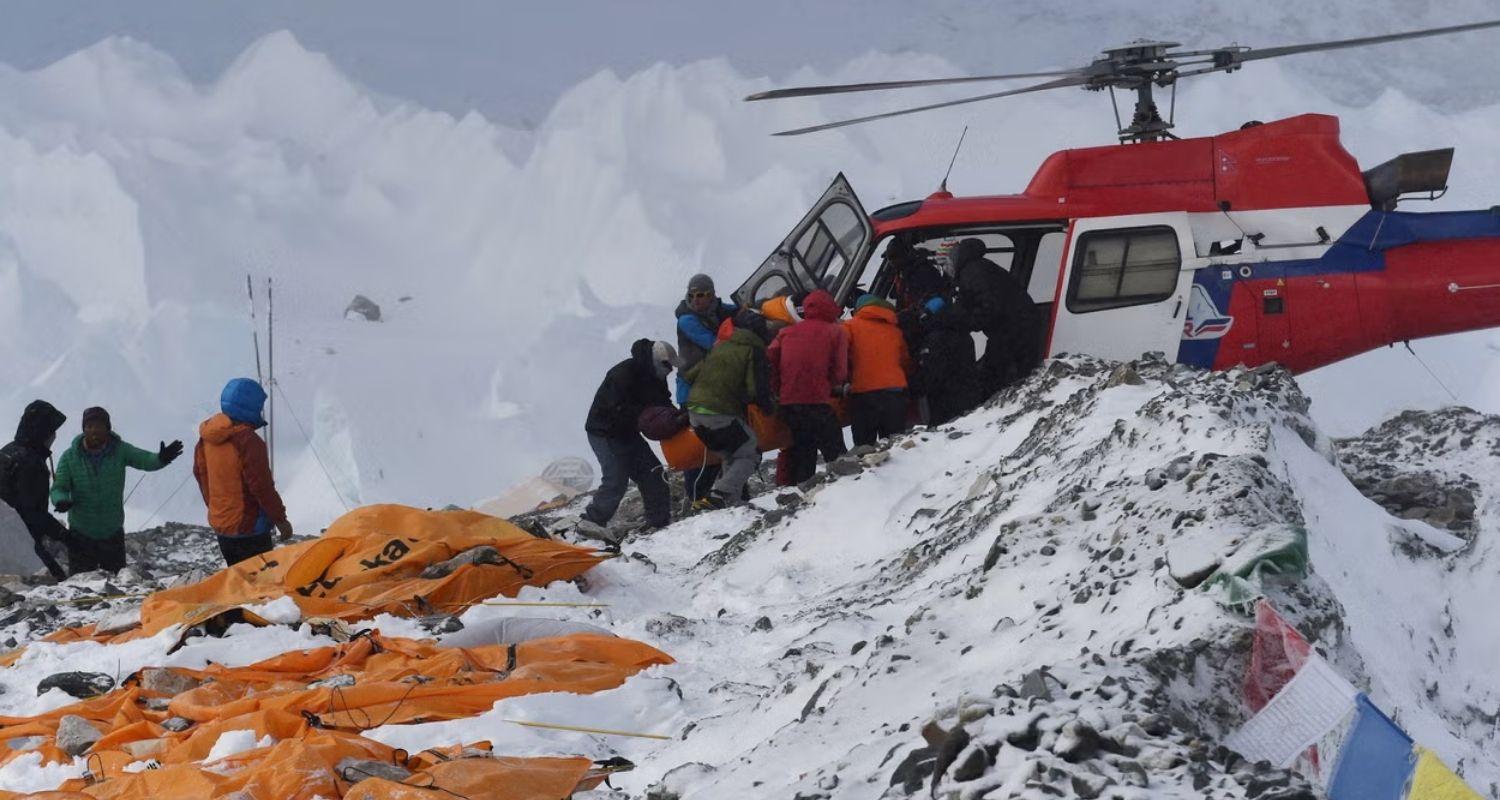
Guides operating on Mount Everest have been accused of secretly drugging foreign climbers to force costly helicopter evacuations, as part of an alleged $20 million (£15 million) insurance fraud uncovered by Nepali authorities.
According to an investigation by the Nepal Police, several mountain rescue operators have been detained, with 32 individuals charged and 11 arrested so far. Officials say the scale of the scheme is extensive, potentially affecting 4,782 international climbers between 2022 and 2025. More than 300 suspected fake rescue cases have been identified, with inflated bills totalling nearly $20 million charged to climbers and insurers.
The revelations have sparked renewed scrutiny of trekking operators and guides just as the spring climbing season began on March 30. Investigators allege the operation involved a wide network of participants, including sherpas, trekking agencies, helicopter companies and even hospital administrators.
The first arrests were made on January 25, when six rescue company operators and managers were taken into custody for allegedly filing fraudulent insurance claims tied to fake medical evacuations of foreign trekkers.
Also read: Iran army chief warns against US invasion
Authorities say these firms collectively extracted millions from international insurers by staging rescues that were either unnecessary or entirely fabricated. The Central Investigation Bureau (CIB) of Nepal Police stated that the fraud has damaged ‘Nepal’s national pride, prestige and dignity’ on the global stage.
Investigators claim that guides used various tactics to induce symptoms requiring evacuation.
These allegedly included faking illnesses and tampering with food—such as adding large quantities of baking powder to trigger stomach distress resembling altitude sickness. In some cases, trekkers were reportedly given medications along with excessive water to produce similar symptoms.
Once climbers experienced nausea, dizziness or fatigue, they were encouraged to descend and opt for expensive emergency helicopter rescues. Authorities allege that operators then submitted forged medical reports and flight records to international insurers to claim reimbursement.
The fraud also reportedly involved inflating costs by charging insurers as though each passenger had taken a separate helicopter flight, even when multiple evacuees shared the same trip. Hospitals were said to have produced false admission and treatment records, sometimes for individuals who had not actually received medical care.
This is not the first time such practices have been exposed. A 2018 investigation by The Kathmandu Post led to a detailed 700-page government report and promises of reform. However, authorities now say weak enforcement allowed the scams to persist.
Manoj Kumar KC, chief of the CIB, said the lack of strict punishment enabled the fraud to continue. “When there is no action against crime, it flourishes. The insurance scam too flourished as a result,” he said. Insurance companies had previously warned they might withdraw coverage for Nepal if fraudulent rescue claims were not addressed.
Earlier reports from 2019 also suggested that some foreign trekkers colluded with trekking companies, faking altitude sickness to secure helicopter rescues in exchange for discounted expeditions. Their insurance policies were reportedly verified in advance to ensure payouts.
Meanwhile, unsuspecting tourists were allegedly made ill after consuming food laced with substances such as baking soda, undercooked meat or even contaminants.

 Follow us