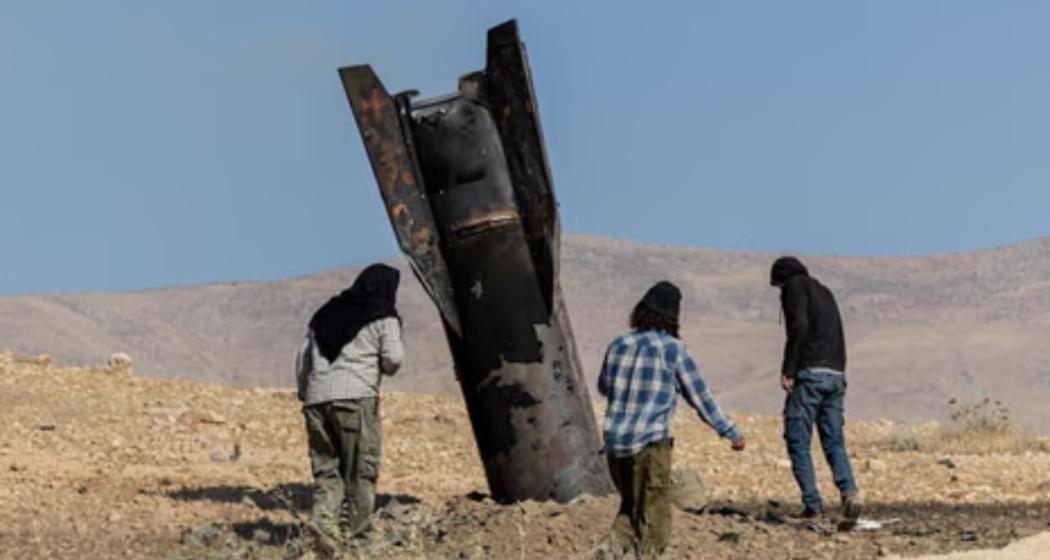
The fragile ceasefire between Iran and Israel collapsed on Monday, weeks into the ongoing conflict, triggering renewed missile exchanges, airstrikes and urgent diplomatic interventions aimed at preventing a wider West Asian war.
The day began with Iran launching a major missile barrage towards Israel, prompting nationwide alerts as the Israel Defence Forces activated air defence systems. Israel said several missiles were intercepted but warned of continued threats as additional barrages were detected, signalling that the attack was larger than initially assessed.
Within hours, Israeli forces carried out extensive airstrikes inside Iran, with reports of explosions in Tehran, Isfahan and Tabriz. The IDF said dozens of fighter jets targeted strategic military infrastructure and defence systems across western and central Iran, marking one of the most significant escalations since the start of the conflict.
Iran’s Islamic Revolutionary Guard Corps (IRGC) responded with “Operation Nasr”, targeting Israeli airbases including Nevatim and Tel Nof, while accusing Israel of earlier strikes on Iranian radar systems and military installations. The confrontation widened further as Yemen’s Houthi movement announced a maritime blockade in the Red Sea and launched a projectile towards Israel, raising fears over global shipping routes and energy supplies passing through the Strait of Hormuz.
Also read: Crude oil prices drop sharply after fresh US-Iran skirmishes
Diplomatic efforts intensified amid the escalation. US President Donald Trump claimed both sides were moving towards an immediate ceasefire and insisted Washington retained decisive influence over negotiations. Israeli Prime Minister Benjamin Netanyahu reportedly faced pressure from the United States to avoid further retaliation in order to preserve fragile diplomatic channels.
Iranian Foreign Ministry spokesman Esmail Baghaei warned that the renewed fighting risked undermining already fragile diplomatic communication, while UK Foreign Secretary Yvette Cooper urged both sides to exercise immediate restraint and de-escalate tensions. India also expressed concern, calling for protection of civilians and a return to negotiations, citing the humanitarian and economic consequences of prolonged conflict.
Despite intermittent signals of restraint from both sides, including reports of temporary pauses and conditional suspensions of operations, the situation remained highly volatile. By the end of the day, diplomatic channels continued to function, but tensions remained dangerously high amid fears that the conflict could expand into a broader regional war involving multiple actors across West Asia.

 Follow us