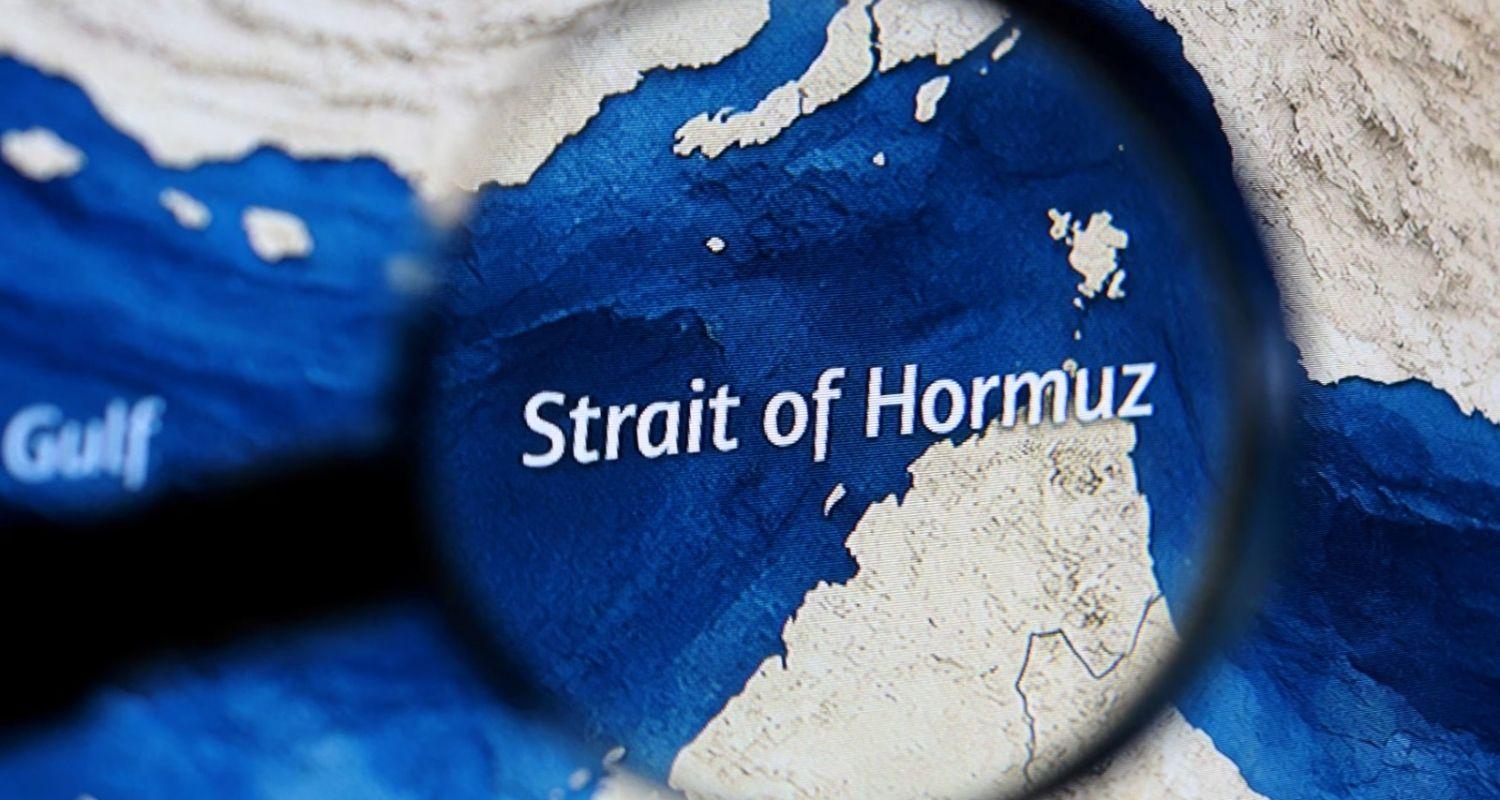
Iran has proposed reopening the Strait of Hormuz without linking the move to any agreement on its nuclear programme, according to officials familiar with the closed-door discussions.
Based in Dubai, the officials said Iran has also demanded that the United States lift its blockade on the country as part of the broader proposal. The details were shared on condition of anonymity due to the sensitivity of the ongoing negotiations. Oil prices rose on Monday as tensions persisted between Washington and Tehran over the strategic maritime passage, despite reports of a ceasefire. Meanwhile, regional diplomatic efforts—particularly involving Pakistan—are underway to restart stalled talks between the two sides.
Araghchi travels to Russia
Iran’s Foreign Minister Abbas Araghchi travelled to Russia on Monday for talks with President Vladimir Putin, following visits to Pakistan and Oman, which also plays a key geographic role in relation to the Strait of Hormuz.
According to a regional official involved in mediation efforts, Pakistan-led intermediaries are trying to narrow major differences between the US and Iran, although both sides remain far apart on core issues. The official spoke anonymously as they were not authorised to comment publicly.
Tensions escalated after US President Donald Trump reportedly cancelled plans for his envoys to travel to Islamabad for talks, following Iran’s insistence that any new negotiations must include the lifting of restrictions on Iranian ports.
Also read: 2 killed as Ukraine hits Russia-held Kherson; 14 hurt in attack
Earlier, the US military’s Central Command said it had redirected 38 vessels amid the ongoing blockade situation. The conflict has had wide-ranging human and regional consequences. Since the escalation began, thousands have been killed in Iran and Lebanon, while casualties have also been reported in Israel and several Gulf Arab states. UN peacekeepers, US personnel, and Israeli soldiers have also been among the dead, according to reports.
Tensions in Lebanon intensify
In parallel developments, political tensions in Lebanon have also intensified. Lebanese President Joseph Aoun criticised Hezbollah on Monday for rejecting direct negotiations with Israel, saying that pursuing dialogue is not an act of betrayal.
Without naming the group directly, Aoun said that war decisions taken without national consensus had repeatedly drawn Lebanon into conflicts serving external interests. He questioned how long southern Lebanon would continue to bear the consequences of regional wars, including conflicts linked to Gaza and Iran.
He further said he opposed war pursued for the benefit of others and stressed the need to end the long-standing state of conflict with Israel, referencing the 1949 Armistice framework as a model for maintaining calm without full normalisation.
Aoun also rejected the idea that seeking an armistice would be humiliating, stating that Lebanon should pursue agreements that preserve dignity while ensuring stability along its borders.

 Follow us