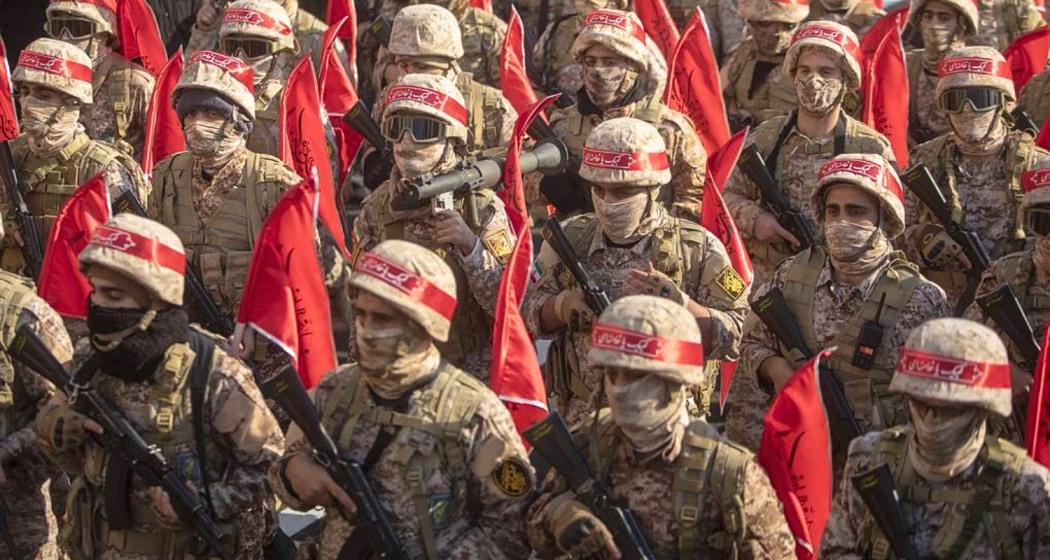
Iran has placed its armed forces on high alert following threats of military action from US President Donald Trump, and warned neighbouring states hosting American military bases against supporting any such strikes.
According to reports, Tehran has issued strong warnings to Iraq, Kuwait, the United Arab Emirates, Qatar, Turkey, and Bahrain, stating that allowing the US to use their airspace or territory would be treated as an act of hostility. “Such an act will have severe consequences for them,” the notices reportedly said.
The developments come after President Trump sent a letter to Iran’s Supreme Leader, Ayatollah Ali Khamenei, proposing direct talks to end Tehran’s nuclear ambitions, while also warning that Iran would be bombed should no agreement be reached.
Tehran, which has consistently denied pursuing nuclear weapons, rejected both the overture and the implied threat. Foreign Minister Abbas Araghchi dismissed the proposal as “meaningless” and questioned Washington’s sincerity.
“If you want negotiations, then what is the point of threatening?” he asked.
Iran maintains that, given Trump’s withdrawal from the Joint Comprehensive Plan of Action (JCPOA) in 2017, the US must demonstrate “seriousness and real commitment” before any dialogue — particularly those facilitated by a third party — can proceed.
Also read: Iran rejects US call for direct nuclear talks
An Iranian official said Tehran is open to indirect talks through Oman. “Indirect talks offer a chance to evaluate Washington’s seriousness about a political solution,” the official said, adding that negotiations could begin soon if US signals prove “genuine”, though the process may remain “rocky”.
Meanwhile, the country’s Supreme Leader has instructed Iranian forces to prepare for a potential confrontation with the United States and Israel. Major General Hossein Salami, chief commander of Iran’s Islamic Revolutionary Guard Corps (IRGC), stated on Saturday that Iran is “ready for any war”.
Iran signed the UN-backed nuclear deal in 2015 in exchange for sanctions relief, but Trump’s unilateral withdrawal two years later and the imposition of new sanctions marked the beginning of Washington’s “maximum pressure” campaign. Tehran has since scaled back its compliance with the accord.
On Sunday, Araghchi reiterated Iran’s demand for negotiations on “equal footing”, accusing the US of threatening force in violation of the UN Charter and displaying “contradictory positions” from various officials.
Russia also weighed in, condemning the threats against Iran as “unacceptable” and calling for restraint on all sides.



 Follow us