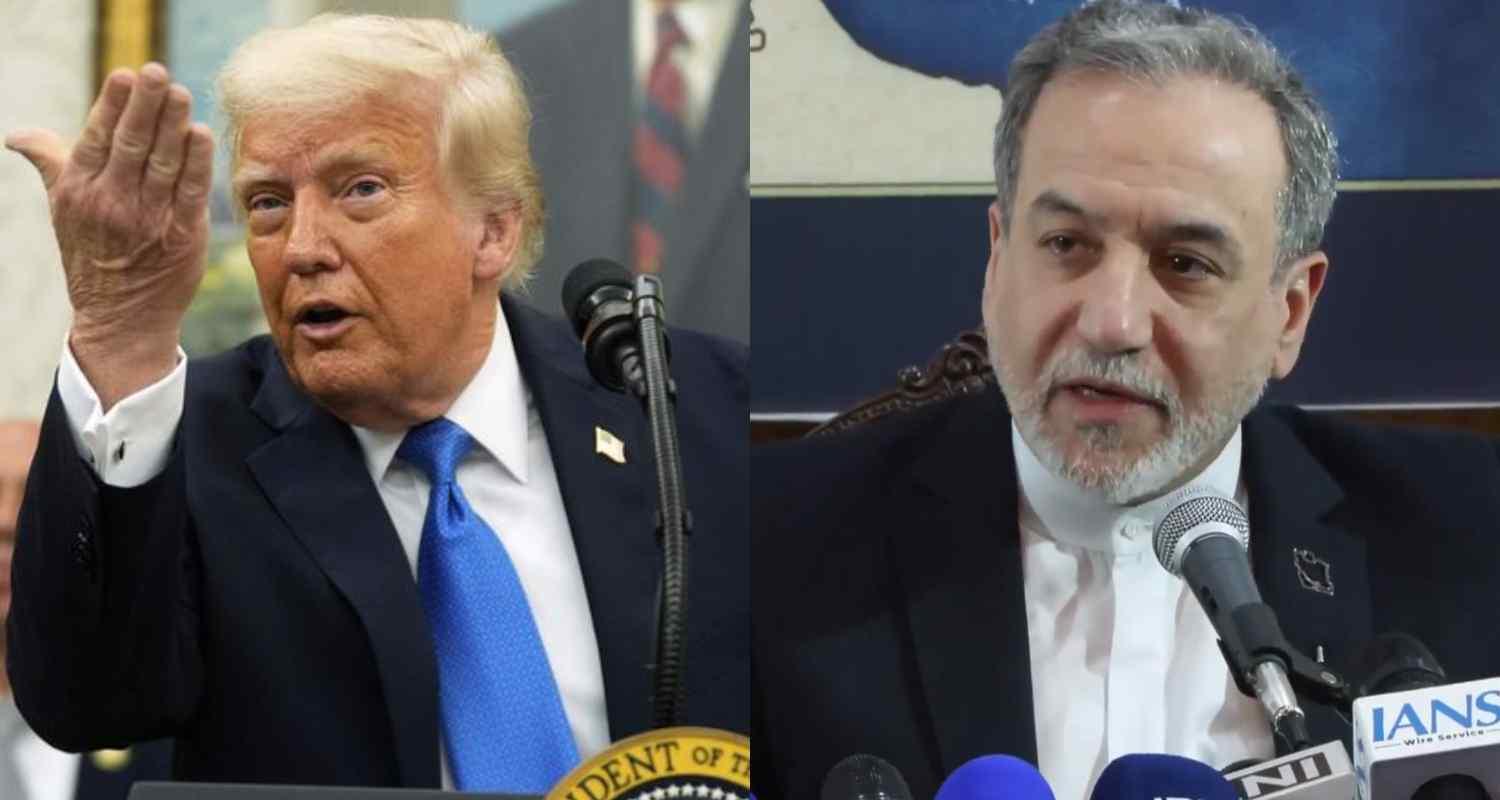
The Iranian government has announced that it will soon reveal a plan to manage traffic in the Strait of Hormuz by charging a nominal toll on ships using the waterway. The announcement was met with strong criticism and fresh warnings from US President Donald Trump, who once again cautioned Iran of “bad times and real consequences” if a peace deal is not reached soon.
However, Iranian Parliament Speaker Mohammed Bagher Ghalibaf, who also led the diplomatic team to Pakistan for recent peace negotiations, said the world is now “standing at the cusp of a new order”.
His assertion was backed by Foreign Minister Abbas Araghchi, who said Iran remains ready to resume direct military conflict with the US if negotiations fail to produce acceptable results.
It remains to be seen how long Iran can hold off US forces and how long the United States will avoid another confrontation. President Trump’s patience with Iran is clearly running out, and it is possible he could order another phase of military action, knowing that Iran is currently going through a low point with heavy economic and military losses.
Araghchi, while acknowledging that Iran is going through a difficult political and economic phase, said the impact was widespread on the global community, especially US domestic consumers.
US energy and inflation costs have increased significantly since the conflict began on February 28, resulting in the effective closure of the Strait of Hormuz, through which about a fifth of the world’s oil and gas is normally shipped.
“Americans are told that they must absorb rocketing costs of a war of choice on Iran,” Araghchi wrote on X, along with an image of rising yields on US Treasury bonds.
“Put aside gas price hikes and stock market bubbles; real pain begins when US debt and mortgage rates start to jump. Auto loan delinquencies are already at a 30+-year high.”

 Follow us