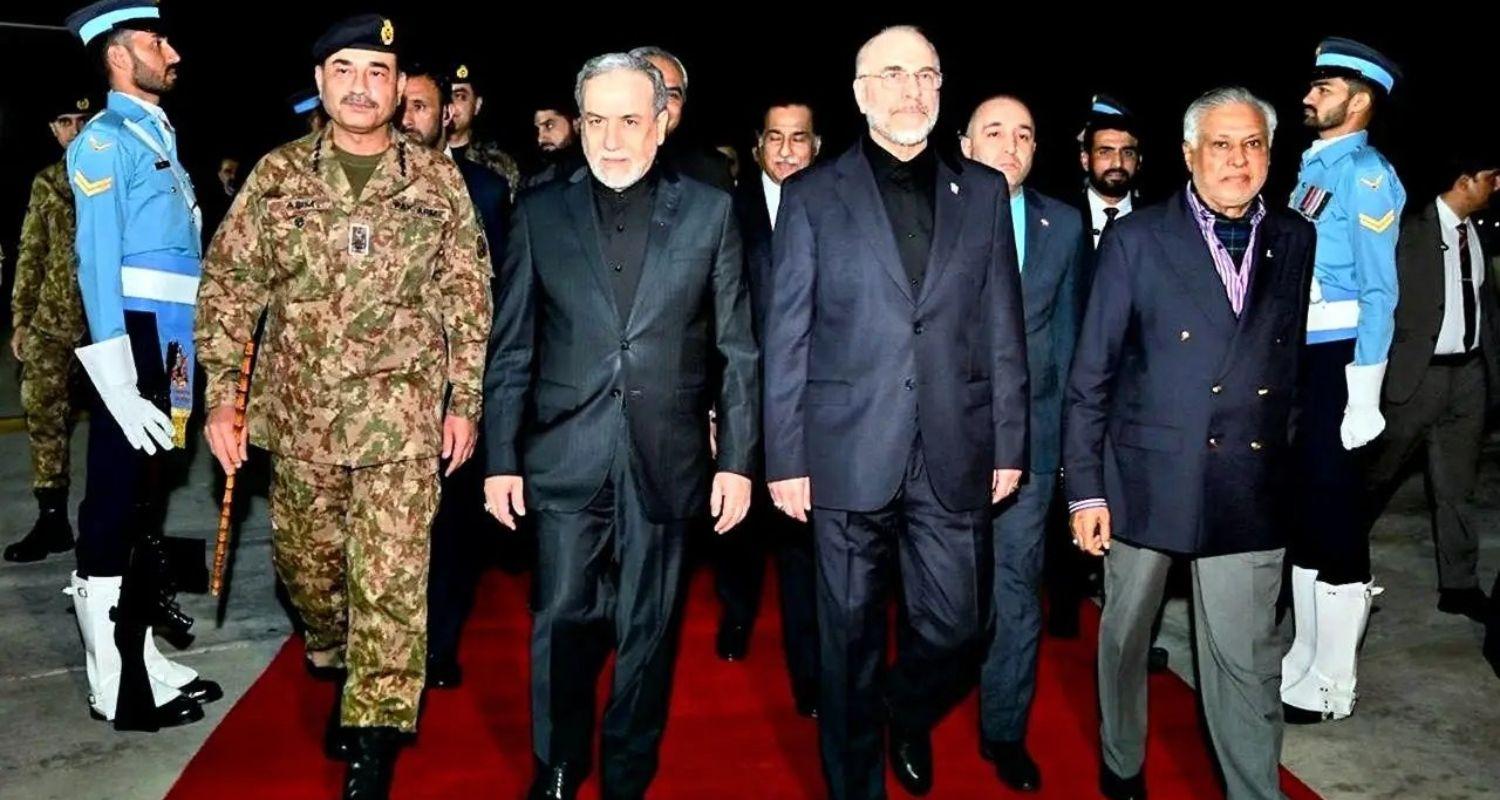
The Iranian side on Tuesday rejected joining the second round of peace talks with the United States in Islamabad over the forced naval blockade near the Strait of Hormuz and the detention of an Iranian cargo ship by the US navy. The efforts to end the ongoing tussle between the two sides remain uncertain, with Tehran saying it would not negotiate under the “shadow of threats”.
The development comes amid a continuous blockade imposed on Iranian ports as a precondition until Tehran agrees to a deal. What are the sticking points in Iran-US negotiations?
Nuclear programme, The US wants Iran to stop its nuclear programme altogether, but Tehran says any such restriction must be for a limited number of years.
Trump has consistently stated that any deal with Iran must include Iran handing over all 400 kg of enriched uranium to the United States.
Meanwhile, Tehran has completely disregarded the demand, saying Iran reserves the right to use the enriched stockpile for its civilian purposes.
The spokesperson for the Foreign Ministry and IRGC commanders have said that there will be no negotiations on uranium while the US says it remains a core sticking point.
Opening of the Strait of Hormuz: Tehran has also vowed to continue imposing restrictions on shipping in the waterway until the US lifts its blockade on Iranian ports.
Frozen assets: Iranian officials are demanding sanctions relief and the unfreezing of assets worth $20bn as part of any lasting agreement.
War reparations: Iran is also demanding compensation for damages caused by US and Israeli attacks, amounting to about $270bn.
Also read: US-Israel-Iran war: $500 billion losses in 52 days of conflict

 Follow us