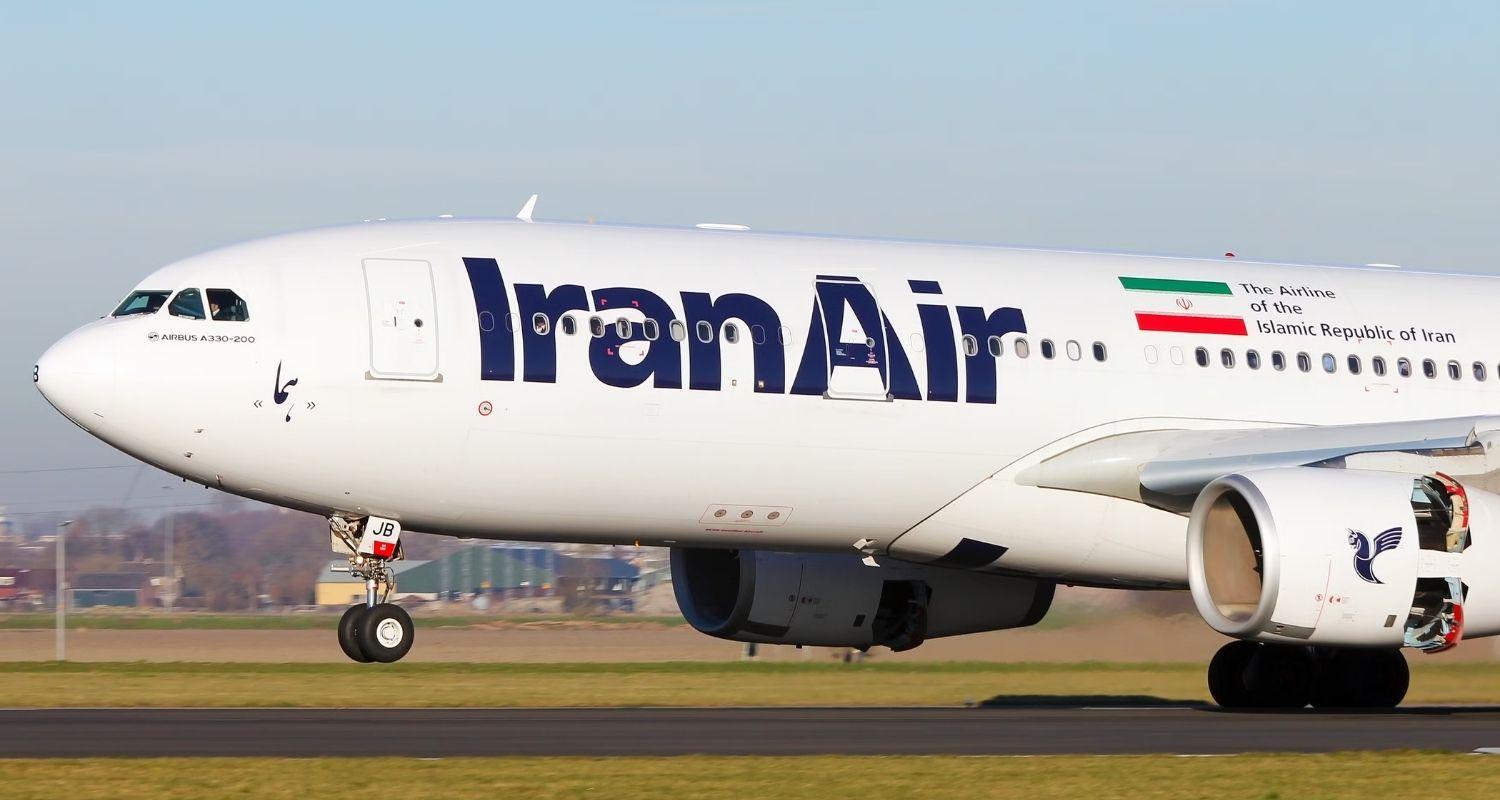
Authorities in Iran reopened the country’s airspace to passenger airlines on Thursday, nearly five hours after closing it over concerns of a possible military attack by the United States.
The airspace closure applied to all flights except international services to and from the country with official permission at 5:15 p.m. ET (22:15 GMT) on Wednesday, according to a notice published on the US Federal Aviation Administration website.
The notice was removed shortly before 10 p.m. ET (03:00 GMT), according to tracking service Flightradar24, which showed five flights from Iranian carriers – Mahan Air, Yazd Airways, and AVA Airlines – among the first to resume flying.
Meanwhile, the UN Security Council (UNSC) is set to meet on Thursday afternoon for a “briefing on the situation in Iran”, according to a spokesperson for the organisation. The schedule note indicated that the briefing was requested for by the United States.
Iran has been on edge since December 28, 2025, when largescale protests erupted in the country against an ailing economy, hyperinflation, and a repressive regime. Over 2,000 people are dead in violent clashes between protesters and the Iran police, say human rights groups, while thousands are in detention.
Matters got complicated after US President Donald Trump’s intervention, with the President threatening Tehran of military action if protesters are killed, and the Islamic Republic’s regime accusing the US and Israel of inciting demonstrators and orchestrating the protests.
Also Read: Iran closes airspace; Air India warns passengers of flight delays
On Thursday, in a change of stance, Trump said he would “prefer diplomacy over strikes”, and even questioned whether Reza Pahlavi, Iran’s crown prince in exile, has the support required to lead the country.
“He seems very nice, but I don’t know how he’d play within his own country. We really aren’t up to that point yet,” Trump said about Pahlavi, who has been calling on protesters from Dubai to “seize” more cities in Iran.
“I don’t know whether or not his country would accept his leadership, and certainly if they would, that would be fine with me,” Trump added.
How did the protests in Iran start?
The protests initially started in Tehran on December 28, with small businessmen and shopkeepers demanding incentives over rising inflation and the constant decline in the Iranian rial.
December 29–31: Protests quickly spread across Iran with the participation of other business establishments.
January 2: Trump threatened action against the Iranian government if it killed protesters.
January 4: Iranian Supreme Leader Ayatollah Ali Khamenei said “rioters” must be “put in their place”.
January 5–8: The Iranian government negotiated with protesters and announced reforms to curb unrest, followed by a nationwide internet blackout.
January 9: Khamenei slammed protesters for destroying civilian infrastructure and religious places, which he described as an appeasement stunt to impress Donald Trump.
January 11–13: The Iranian parliament threatened a response against the US and Israel if Washington attacked Tehran.
Thousands of Iranians marched in counter-protests against the US and Israel and the proxies, which Tel Aviv claimed were its assets.
January 13: A US-based NGO, without showing evidence, claimed 2,000 people had died in the protests.
Images from the protests, however, showed how some anti-government elements mobilised and coerced people to continue the demonstrations.
Guns appeared on the streets; several videos shared on social media showed unknown gunmen from the crowd firing at protesters and security officials in Tehran.
January 14: Iranian state TV acknowledged a high death toll as funerals were held, while Trump said he had received information that “the killing in Iran is stopping.”
The Iranian government has said that 100 police and security forces personnel have also been killed.

 Follow us