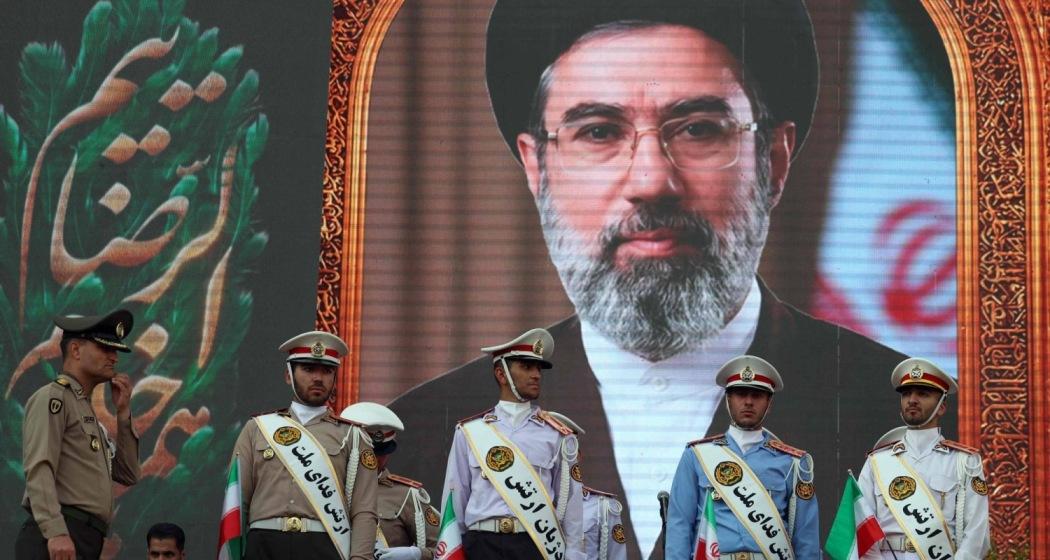
Iran’s Supreme Leader Mojtaba Khamenei on Thursday declared that the country would safeguard its nuclear and missile capabilities as “national assets”, amid sustained US pressure to curb its defence and nuclear programmes.
In a written statement read on state television, Khamenei said Iran’s scientific and technological strengths, including nuclear, missile, nanotechnology and biotechnology sectors, were integral to national identity.
“Ninety million proud and honourable Iranians… will protect them just as they protect the country's waters, land and airspace,” he said.
'US has ‘no place’ in Persian Gulf region'
Khamenei adopted a sharply critical tone on US presence in West Asia, stating that Americans had no place in the Persian Gulf except “at the bottom of its waters”.
He said a “new chapter” was unfolding in the region following the February 28 US-Israel military offensive on Iran, which triggered a wider conflict and disrupted shipping through the Strait of Hormuz.
Also read: US blockade against Iran 'genius', claims Trump
Iran has since asserted control over the waterway and proposed a new regional management framework, claiming it would bring “calm, progress and economic benefits” to Gulf nations.
On the other hand, Iran’s Parliament Speaker Mohammad Bagher Ghalibaf said on Thursday that Tehran’s control over the strategic Strait of Hormuz would ensure a future without “American presence and interference” in the region.
In a message marking “Persian Gulf” day, he asserted that Iran’s stewardship of the key waterway would bring stability and benefit regional nations.
Stalled US-Iran talks, oil surge amid Hormuz disruption
The remarks come as negotiations between Tehran and Washington remain deadlocked, with the US demanding restrictions on Iran’s nuclear programme while Iran insists on its right to enrich uranium for civilian use.
The continuing tensions have impacted global energy markets, with Brent crude rising sharply amid fears of prolonged disruption in Hormuz — a key transit route for global oil supplies.
Diplomatic efforts to resolve the crisis remain ongoing, but no breakthrough has been reported so far, keeping the region on edge.

 Follow us