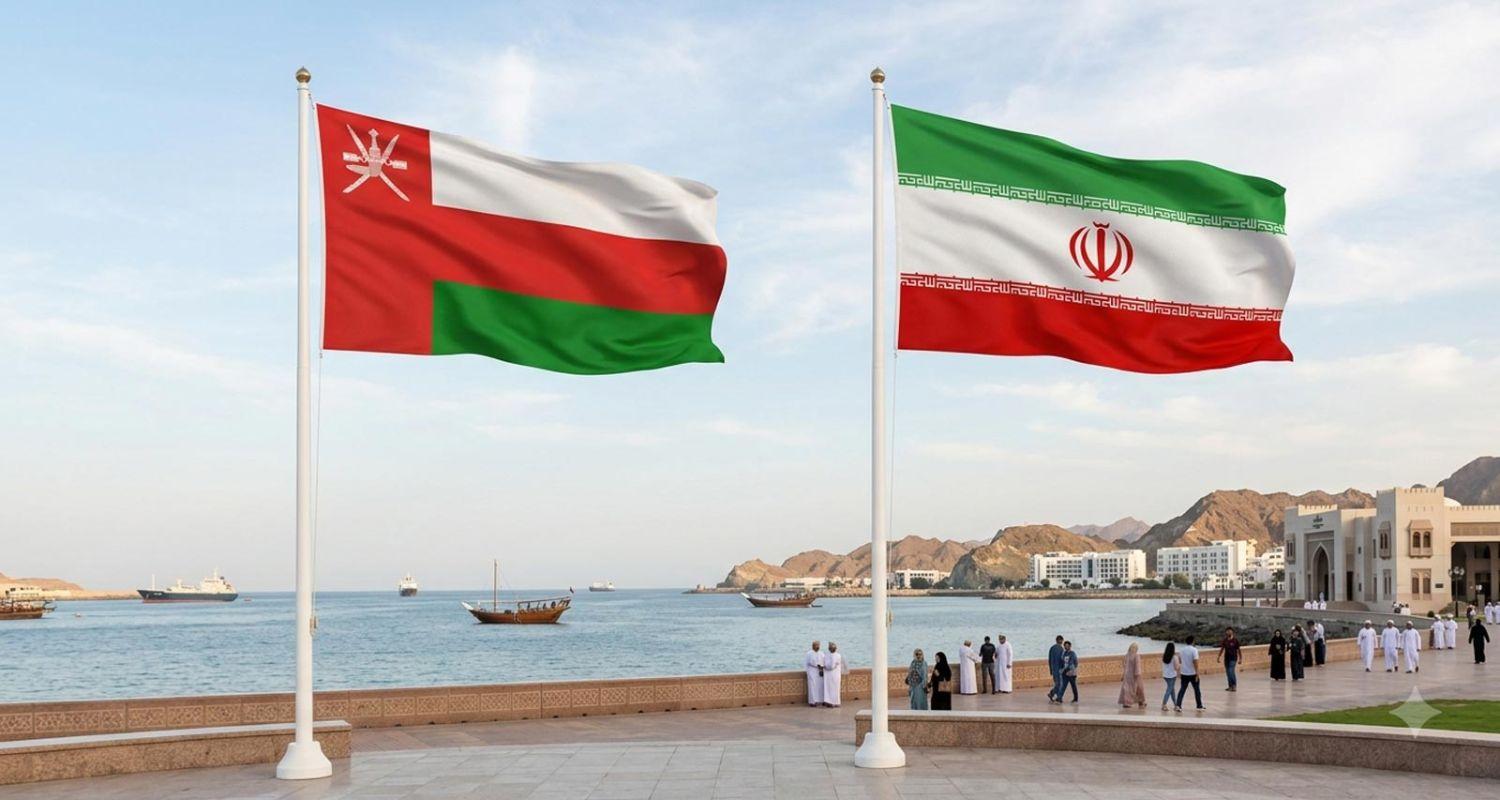
Iran has announced that it is in the “final stage” of drafting an agreement with Oman over the Strait of Hormuz with US President Donald Trump also stating that a deal could be announced this week.
Iran’s Foreign Ministry spokesperson, Esmail Baghaei said that the agreement with Oman is in the “final stage” of drafting, and that a joint statement will be issued “if certain parties do not obstruct this process”, apparently referring to the US. Trump said “a lot of progress has been made”.
Officials said Iranian and Omani negotiators have finalised the draft deal to reopen the strait and await final approval from Iran’s Supreme Leader Ayatollah Mojtaba Khamenei. Calling the potential deal a temporary solution to the dispute over the strait, they said it would pave the way for the resumption of US-Iran negotiations on Tehran’s nuclear program.
Going by the proposed agreement, ships would enter the Persian Gulf through an Iranian-controlled route and exit through a route controlled by Oman. Service fees would be charged for providing security and preserving the maritime environment.
But Iran is firm that the final agreement hinges on the US lifting the blockade on its ports. The Trump administration has previously ruled out any deal that would cement Iran’s grip over the strait. Iran, on the other hand, insists on some measure of control over the strait, saying it will not go back to being an open international waterway, as it was before the war.
Attacks on regional shipping continue
Meanwhile, Iranian-backed Houthi rebels in Yemen claimed they had fired ballistic missiles towards a Saudi oil tanker on the Red Sea off the Saudi port of Yanbu, without providing evidence. There was no immediate comment from Saudi Arabia.
A vessel sailing in the Gulf of Aden off Yemen reported a loud explosion that happened in close proximity. The crew was safe. The Houthis claimed to have fired a ballistic missile at another Saudi oil tanker.
A recent escalation between the rebels and Saudi Arabia threatens to reignite Yemen’s civil war, which pitted the Houthis against a Saudi-led coalition supporting the country’s government.
In July, the Houthis announced they were closing the Bab el-Mandeb Strait that leads to the Red Sea for Saudi-linked shipping. That puts additional pressure on international shipping since the Red Sea became a key alternative route for Saudi oil exports during the war.
Israel-Hezbollah truce on shaky ground
The shaky ceasefire between Israel and the Iran-backed militant group Hezbollah grew more volatile on Wednesday as the Israeli military issued an evacuation warning to residents of the southern Lebanese village of Mansouri, the first such warning in weeks.
Later, the Israeli military said it had begun conducting “precise strikes” in southern Lebanon in response to what it described as “a blatant violation of the ceasefire” that had largely held since June 20.
The escalation came as Lebanese and Israeli negotiators met in Rome for a second day to discuss implementation of a deal under which Israeli forces are supposed to withdraw from areas they are occupying in southern Lebanon in exchange for Hezbollah’s disarmament.

 Follow us