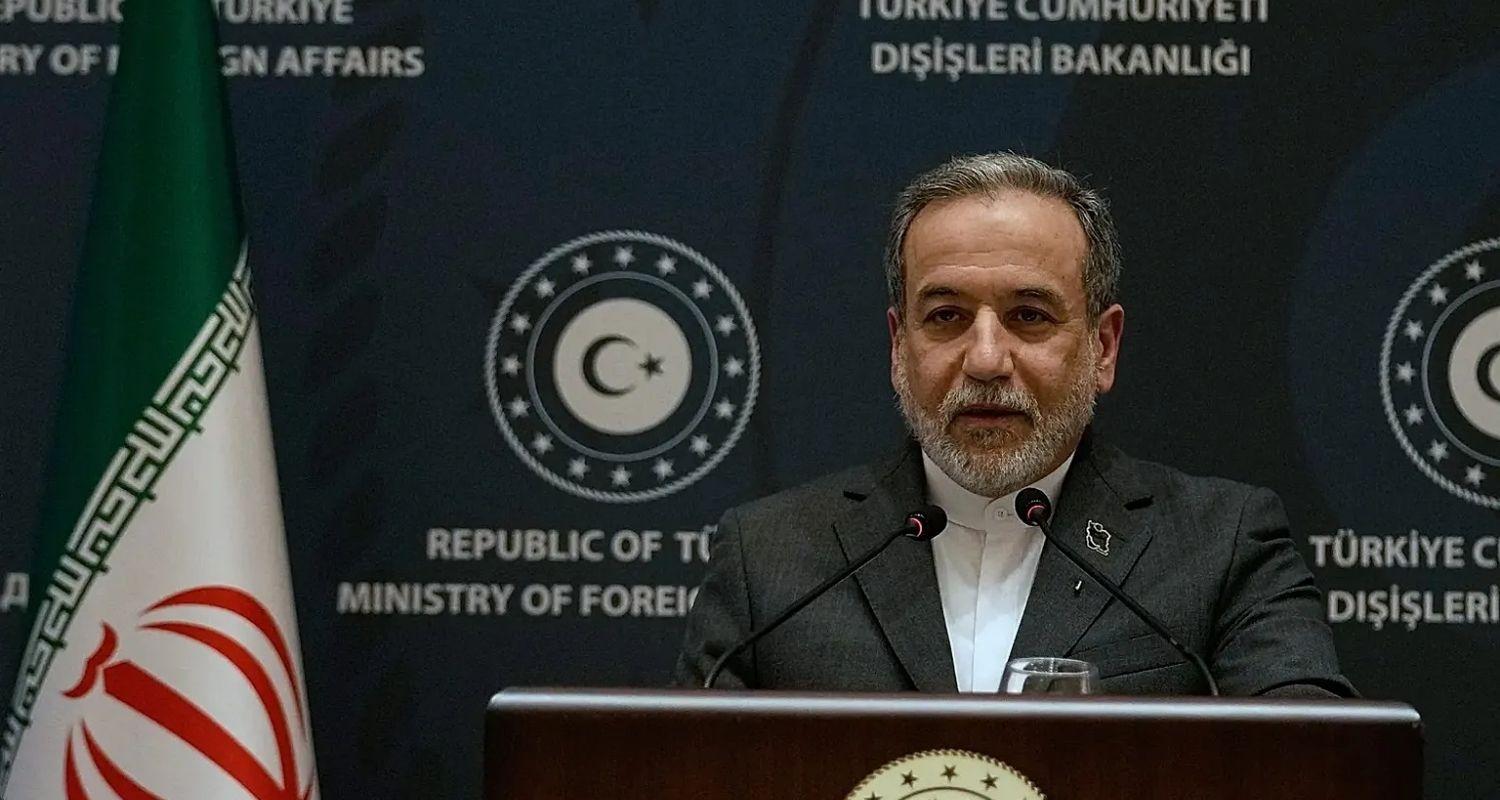
Amid ongoing US-Iran tensions, officials from the two countries will meet in Muscat on Friday to discuss a possible nuclear agreement, confirmed Iran’s Foreign Minister, Abbas Araghchi, on Wednesday.
In a post on X, Araghchi wrote: “Nuclear talks with the United States are scheduled to be held in Muscat on about 10 am Friday. I’m grateful to our Omani brothers for making all necessary arrangements.”
While Araghchi is expected to lead the Iranian delegation, and will be joined by senior diplomats, Majid Takht-Ravanchi and Kazem Gharibabadi, the US side will be represented by White House special envoy, Steve Witkoff, according to the reports. Oman will serve as a mediator.
The meeting will mark another round of indirect nuclear negotiations after Tehran requested that the venue be shifted from Istanbul, Iranian state broadcaster, Press TV, reported.
Iranian media had earlier made it clear that the discussions would be limited strictly to Iran’s peaceful nuclear energy programme and the removal of sanctions, with no scope for raising other matters, a position Tehran has consistently maintained.
Also Read: US Navy fighter jet shoots Iranian drone
The indirect format of talks is expected to mirror earlier rounds held before last June’s US-Israeli war on Iran, which disrupted the diplomatic process, the state TV said. In 2025, Araghchi and Witkoff had led five rounds of nuclear talks, but the process was halted after Israel launched what Iranian officials described as an unprovoked war of aggression just two days before a planned sixth round.
The conflict, later joined by the United States, reportedly resulted in more than a thousand deaths in Iran and caused extensive damage to civilian, military, and scientific facilities. It led Iran to bomb a US military base in Doha, followed by easing of tensions for a brief period.
Tensions between Tehran and Washington escalated again last month after a wave of protests rocked Iran, leading to the regime undertaking repressive measures to control the demonstrations, resulting in over 3,000 deaths. US President Donald Trump threatened Iran with military action if it continued killing protesters, despite the Iranian regime’s warning not to meddle in its internal affairs. The regime also blamed the US and Israel of orchestrating the violent protests aimed at causing mass casualties and destabilising urban centres as a precursor to renewed American aggression against the Islamic Republic.
Tehran has since repeatedly stated that any engagement with Washington must remain confined to nuclear issues, ruling out negotiations over Iran’s missile programme or regional role. Iranian officials have also said talks can only succeed if held in an atmosphere free from threats and what they described as “illogical or illegal demands”, according to Press TV.
Senior officials, including Ali Shamkhani, advisor to Leader of the Islamic Revolution Ayatollah Seyyed Ali Khamenei, have stressed that respect and realism are essential for progress in discussions with the United States.
Since Trump’s latest warnings, Iranian authorities, including senior military officials, have issued strong cautions to Washington and its allies against any fresh miscalculation, saying the country’s level of military preparedness has now surpassed pre-war levels.

 Follow us