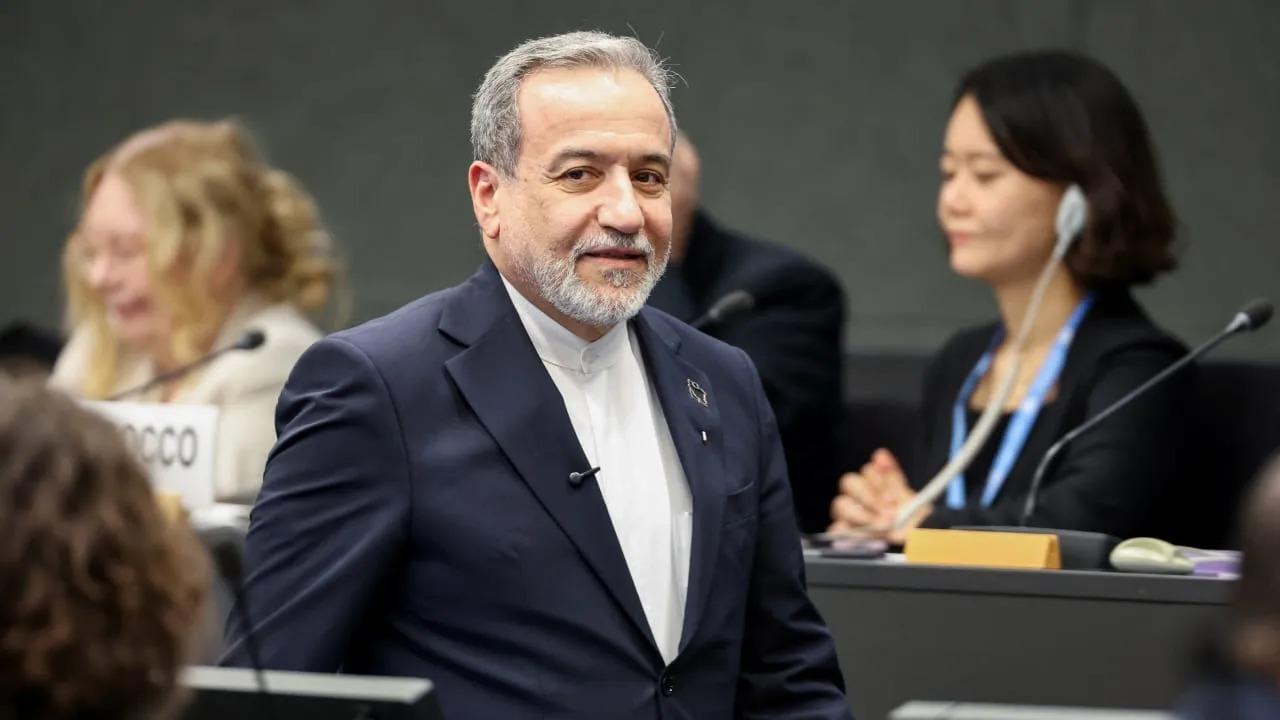
Officials from Iran and the United States met in Geneva, Switzerland, for a second round of indirect talks on Tuesday, describing the discussions as productive but acknowledging that tensions remain. Iranian Foreign Minister Abbas Araghchi said the negotiations were “serious, constructive and positive”, noting that both sides reached a general understanding on guiding principles and would begin working on the text of a potential agreement, though a final deal is not imminent. A US official said the talks went ‘as expected’.
Even as diplomatic efforts continue, Washington has increased its military presence in the Middle East. More than 50 F-35, F-22 and F-16 fighter jets were reportedly deployed to the region within 24 hours, and President Donald Trump ordered a second aircraft carrier, the USS Gerald R Ford, to the area. The move signals a strategy of combining negotiations with military deterrence.
At the same time, Iran announced a temporary closure of parts of the Strait of Hormuz during naval drills, a development that drew attention given the waterway’s importance to global oil shipments. US Vice President JD Vance said while talks showed some progress, Iran has yet to acknowledge certain ‘red lines’ set by Trump, emphasising that the United States’ main objective remains preventing Iran from obtaining a nuclear weapon.

 Follow us