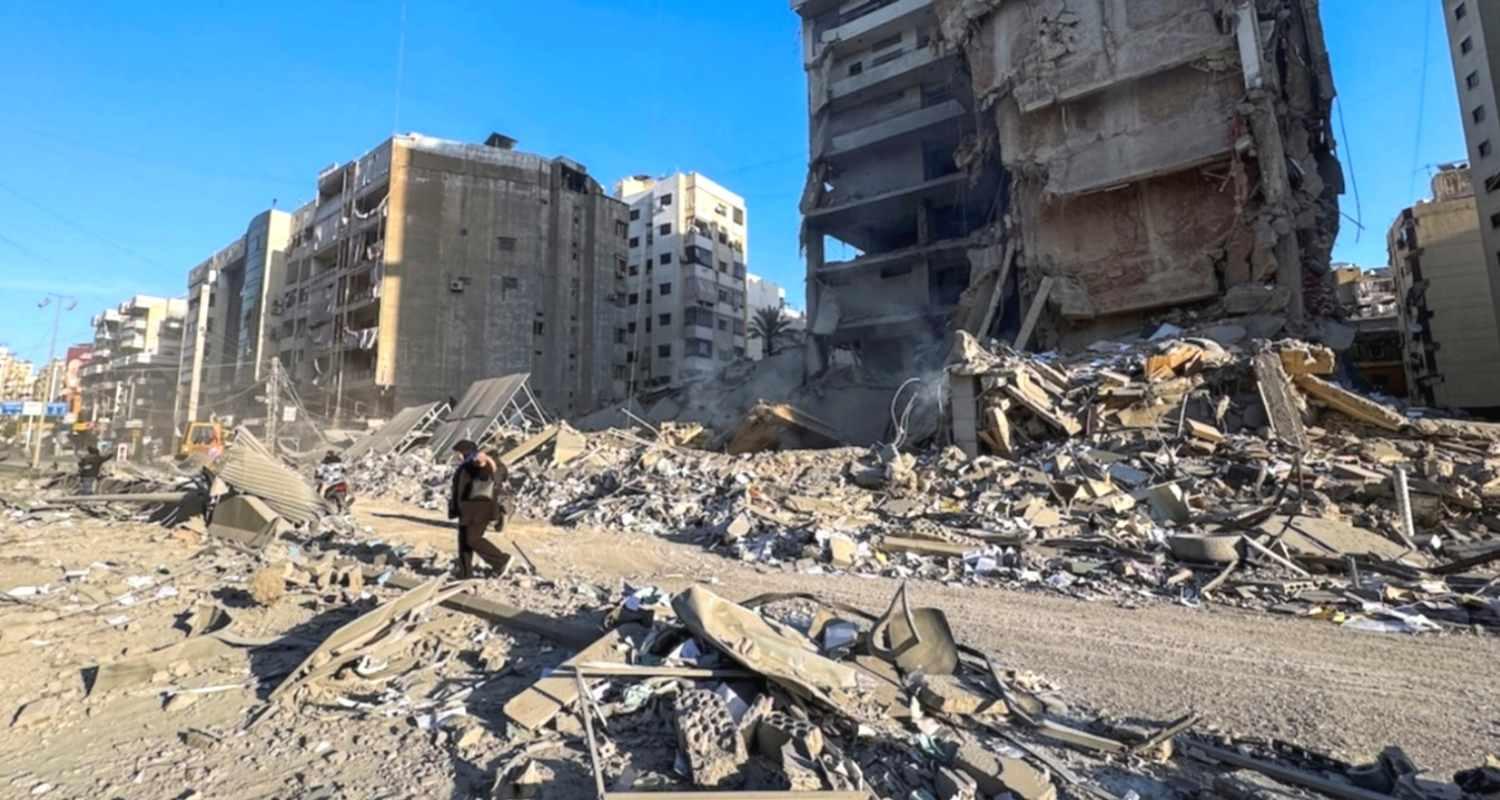
Iran and Hezbollah launched a coordinated barrage of missiles, kamikaze drones, and rockets against Israel on Friday night — the first major joint attack — inflicting further casualties and damage in the upper Galilee region and other areas.
Sources indicated that projectiles targeting Galilee were primarily fired by Hezbollah, while the Iranian Revolutionary Guard Corps (IRGC) carried out strikes on central and southern Tel Aviv regions.
Eyewitnesses reported explosions in a Bedouin village in the Negev Desert, causing massive infrastructure damage.
Iran has escalated its attacks since Mojtaba Khamenei assumed the role of Supreme Leader, now deploying missiles with 500 kg to 1-tonne warheads. Significant damage was reported in several locations:
Shoham (near Ben Gurion airport): a building was set on fire, forcing the evacuation of 30 residents.
RishonLeZion (south of Tel Aviv): a school was damaged, and an unexploded projectile was lodged in the road.
Holon and Yehud: structural damage reported.
The IRGC used Kheibar missiles carrying cluster submunitions—each containing explosives of about 2.5 kg (5.5 pounds)—designed to devastate entire blocks. Although banned under international law, neither Iran nor Israel is a signatory to the convention prohibiting such weapons due to their inability to distinguish between civilian and military targets.
The conflict between Iran and Israel has entered a new, more intense phase with massive retaliatory escalations on both sides.
In response to the energy crisis triggered by the US-Israeli war on Iran, the Trump administration has ordered the release of 172 million barrels of oil as part of the International Energy Agency’s coordinated release of 400 million barrels.
The oil will be released gradually over the next four months to help stabilise global supplies.

 Follow us