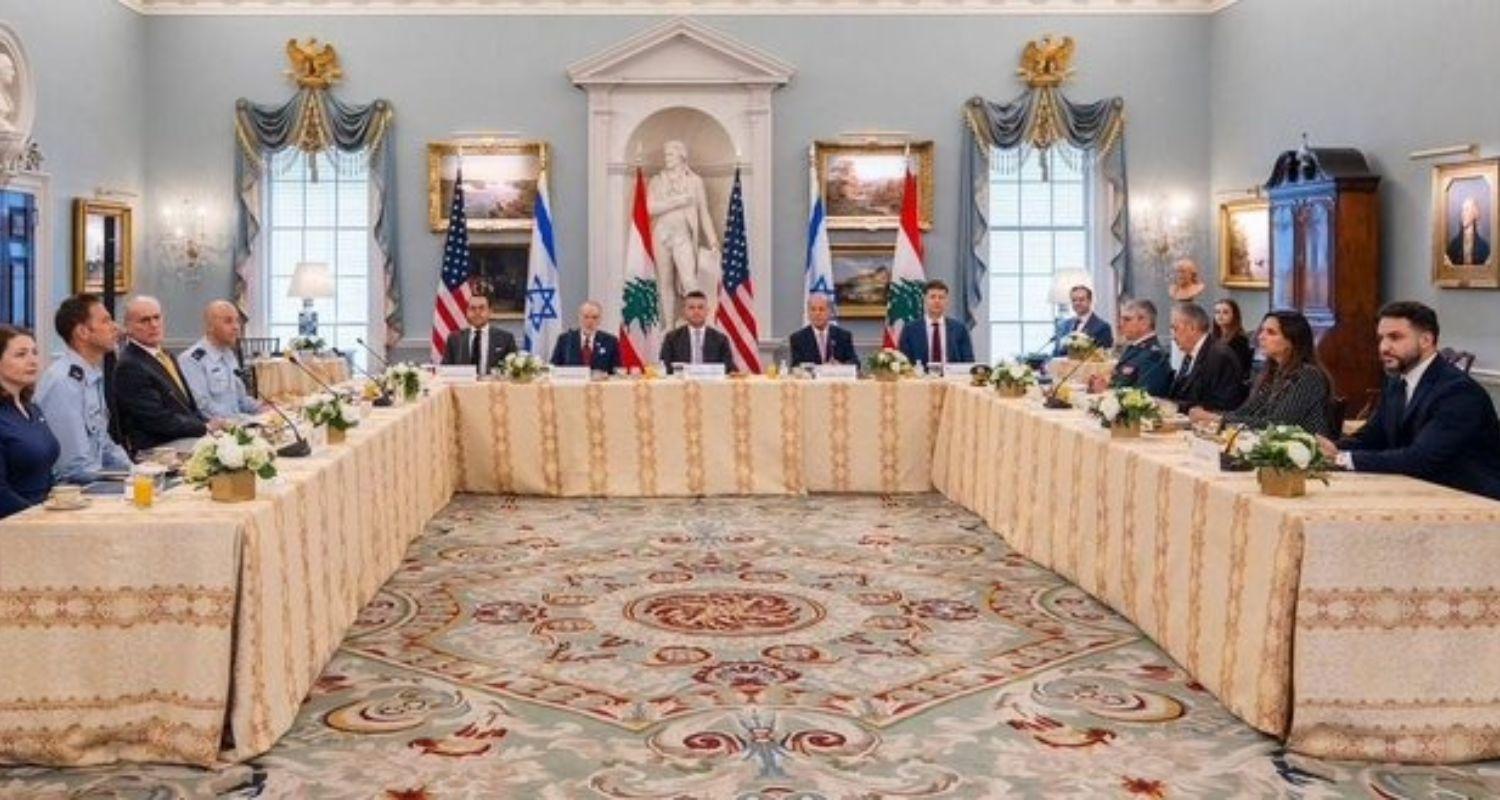
Israel and Lebanon have extended their nominal ceasefire, which was set to expire on Sunday, by another 45 days after talks in the United States, even as Israeli forces continued attacking southern Lebanon, killing at least a dozen people.
Iran, on the other hand, has said it is ready for serious negotiations with the US, a day after President Donald Trump departed from China following his two-day official visit.
Iran’s Foreign Minister, Abbas Araghchi, said at a meeting of BRICS countries that Tehran had received communication from the Trump administration indicating openness to new talks to end the war, though a “deadlock” remains regarding “enriched material.”
The Iranian side has demonstrated a positive intent to end the conflict and to reopen the Strait of Hormuz, which has been blocked since February 28 due to the US and Israel's attacks on Iran.
China’s ambassador to the United Nations has criticised a US and Bahrain-backed resolution at the UN Security Council on the Strait of Hormuz, stating that the content and timing were not right and that passing such a hasty resolution would be of no help.
The draft resolution demands Iran halt its attacks and mining in the Strait, but the resolution is likely to be vetoed by China and Russia.
Both countries vetoed a similar US-backed resolution last month, arguing it was biased against Iran.
China’s UN envoy Fu Cong said, “We don’t think the content is right, and the timing is not right.
What we need is to urge both sides to engage in serious and good-faith negotiations that can resolve the issue.” He added, “Passing a resolution at this stage, we don’t think, is going to be helpful.”
Also read: India can play 'greater role' in for peace in West Asia: Araghchi

 Follow us