Tensions between India and Pakistan have escalated sharply after a deadly terror attack in Kashmir’s Pahalgam area, leading to major economic repercussions in the region.
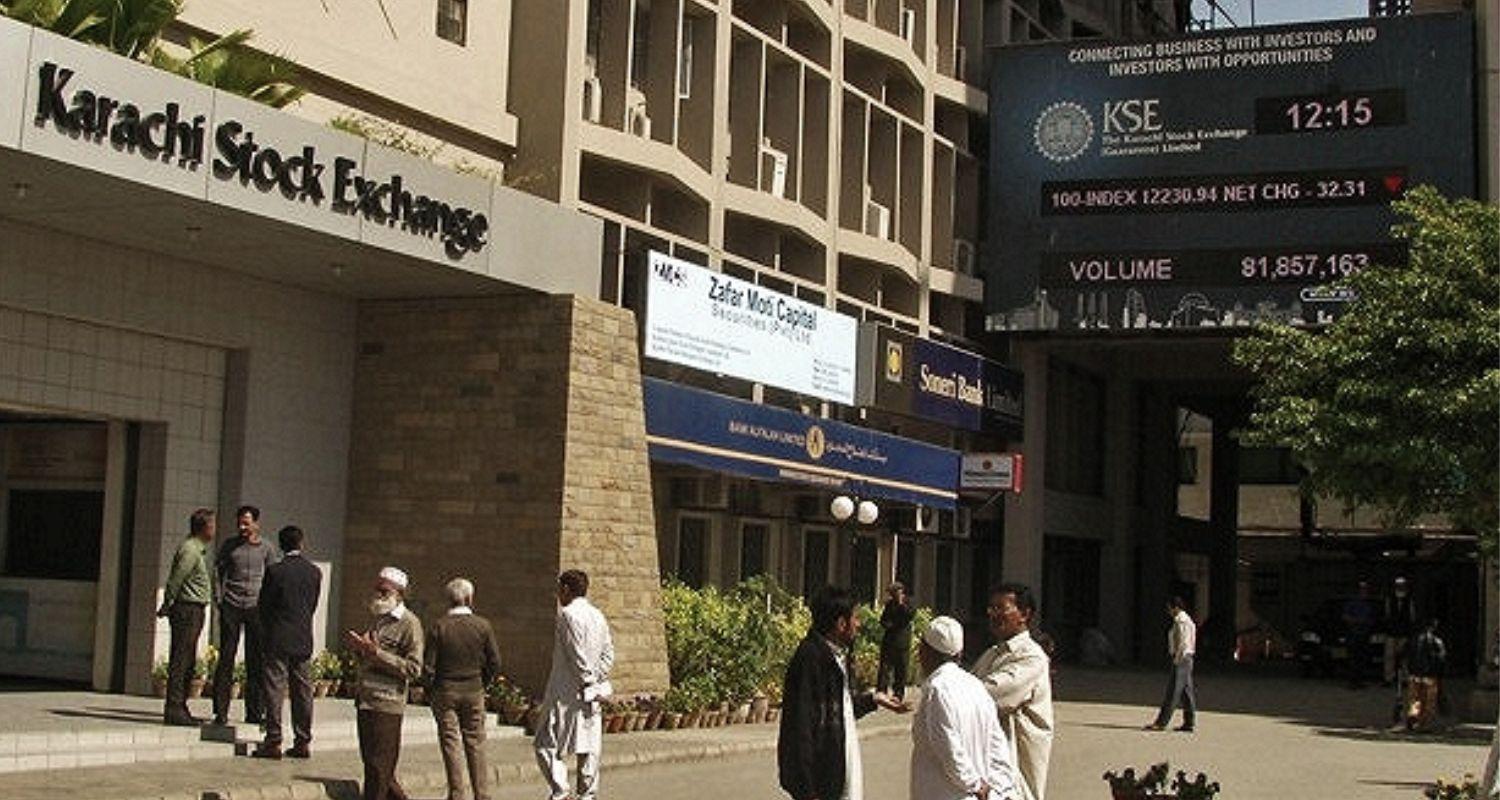
The most significant immediate impact has been seen in Pakistan's stock market, where the Karachi 100 index suffered a sharp fall in early trade on Thursday.
Pakistan’s main share index crashed by over 2,500 points, or around 2.2 per cent, in the morning session. The sudden drop came shortly after India announced a series of strict measures in response to the attack that claimed the lives of 26 tourists on April 22.
Among the steps taken, the most notable was the suspension of the Indus Waters Treaty — a historic water-sharing agreement signed between the two countries in 1960.
Though the Karachi Stock Exchange later recovered part of the losses, the mood remained nervous. At 12:20 PM IST, the index was still down nearly 1 per cent, trading at 116,228 points, compared to the previous day’s close of 117,226.
Meanwhile, Indian stock markets also showed signs of strain. Both the BSE Sensex and the NSE Nifty opened lower and remained volatile through the day.
Experts believe the rising geopolitical tensions have made investors cautious, especially in sectors like energy and infrastructure, which are more sensitive to international developments.
India’s Ministry of External Affairs announced late Wednesday night that it had suspended the Indus Waters Treaty. This decision, considered a major diplomatic move, could have serious consequences for Pakistan.
The Indus River System is vital for Pakistan’s agriculture and water needs. Major cities including Karachi, Lahore and Multan heavily rely on water from this system for daily use.
In addition to the treaty suspension, India also took other strong steps. The Attari border has been shut down for all movement, and Indian citizens across the border have been asked to return by May 1.
Further, all visas issued under the SAARC Visa Exemption Scheme for Pakistani nationals have been cancelled. Pakistani citizens in India have been given 48 hours to leave.
India has also declared military advisors from Pakistan — including those from the army, navy and air force — as ‘persona non grata’ and asked them to exit the country. These measures indicate a significant breakdown in bilateral relations.
The market turmoil in Pakistan has been compounded by recent economic developments. Just a day before India’s announcement, the International Monetary Fund had lowered Pakistan’s growth forecast from 3 per cent to 2.6 per cent for the 2024-25 financial year.
The Asian Development Bank followed with a projection of only 2.5 per cent, well below Pakistan’s target of 3.6 per cent.
Analysts believe India’s actions have shaken investor confidence further. The fear of prolonged conflict or more diplomatic retaliation has led to uncertainty in the markets. Investors are now keeping a close watch on the situation, as any escalation could lead to wider economic disruption.
Back in Kashmir, the terror attack in Pahalgam has left the nation shocked. It occurred in Baisaran, a popular tourist spot near Pahalgam, where gunmen believed to be linked to The Resistance Front — a group with ties to Lashkar-e-Taiba — opened fire on a group of tourists. The attack is being described as one of the deadliest in the region since the 2019 Pulwama incident.
Prime Minister Narendra Modi is expected to hold an all-party meeting to discuss the situation and chalk out future steps. Across the border, Pakistan is also preparing for high-level meetings involving its political and military leadership in response to the worsening diplomatic climate.



 Follow us