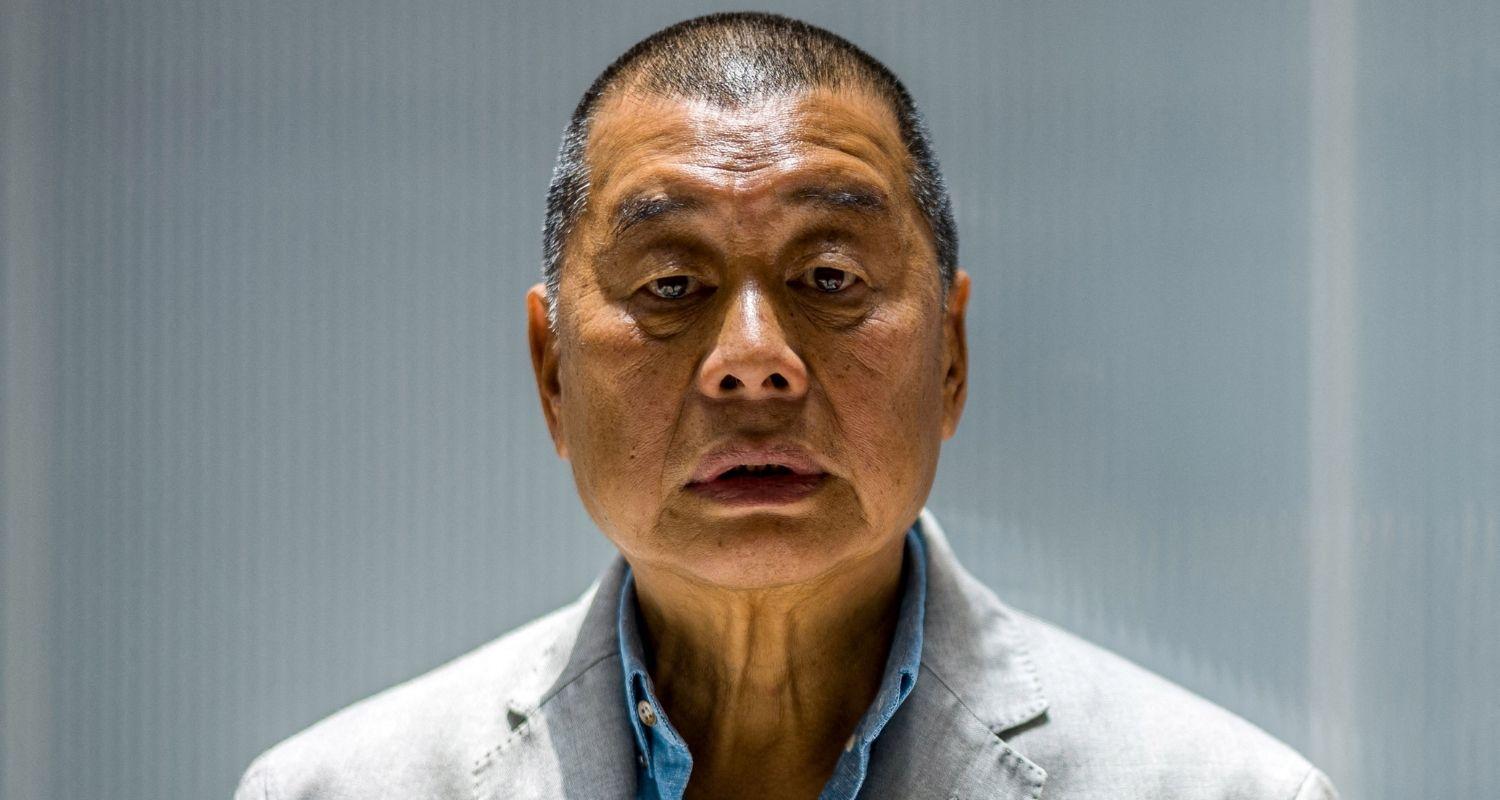
Hong Kong’s pro-democracy media tycoon, Jimmy Lai, will be sentenced on Monday following his conviction under the national security law, officials confirmed.
The 78-year-old founder of the now-defunct Apple Daily newspaper was found guilty in December of foreign collusion and one count of seditious publication against the Chinese government. He faces the possibility of life imprisonment.
Born a British citizen, Lai has already spent nearly five years in detention. Multiple Western nations, including the United States and Britain, and US President Donald Trump has repeatedly called for his release.
In an 856-page verdict last December, judges wrote that Lai “harboured his resentment and hatred of [China] for many of his adult years” and sought the “downfall of the Chinese Communist Party”.
Meanwhile, international rights groups reacted strongly to the possibility that he is imprisoned for life, with Amnesty International describing the conviction as “a death knell for press freedom in Hong Kong”, while the Committee to Protect Journalists called the trial a “sham”.
Also Read: Jimmy Lai's trial underway in Hong Kong
Hong Kong’s government rejected the criticism, insisting Lai’s case “has nothing to do with freedom of speech and of the press”.
Under the national security law, collusion offences deemed “of a grave nature” carry a sentence of between 10 years and life imprisonment, while sedition carries a maximum of two years.
Who is Jimmy Lai?
Jimmy Lai is a prominent critic of China, who founded the ‘Apple Daily’ in 1995 – a pro-democracy tabloid. The newspaper quickly became a major voice during the 2019-2020 pro-democracy protests in Hong Kong.
After the national security law was imposed in June 2020, Lai’s newspaper was targeted – its assets were frozen, senior staff arrested, and the paper was forced to close in June 2021.
Lai was arrested in December 2020 on national security and fraud charges. His high-profile sedition and collusion trial began in 2023 and concluded with a conviction in December 2025.
The case has gained international traction, with the United States and the UK continuously seeking his release.

 Follow us