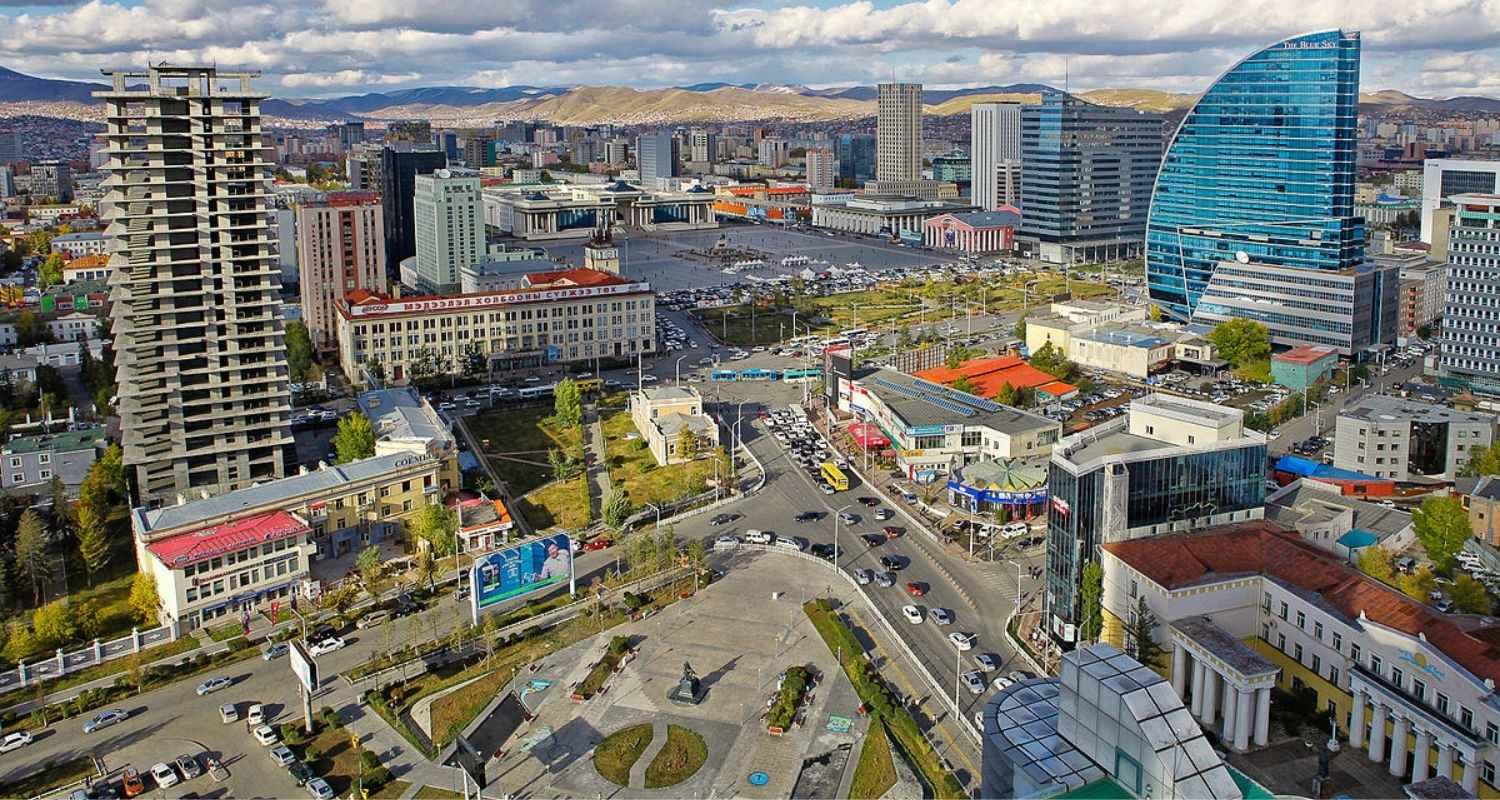
The Mongolian government has made a significant announcement regarding the future development of its capital, Ulan Bator. On Wednesday, officials decided to designate 2025 as the year dedicated to promoting infrastructure development in the city.
This move is part of an ambitious plan to tackle the city’s pressing issues and lay the foundation for its long-term growth.
Ulan Bator, which serves as the economic and cultural heart of Mongolia, has faced numerous challenges in recent years. The decision to focus on infrastructure development reflects the government's commitment to addressing the city’s urgent needs, with a particular emphasis on improving living conditions for its residents.
The city’s mayor, Khishgee Nyambaatar, shared the decision with the public at a press conference following a regular government meeting. He noted that the cabinet members would be responsible for coordinating and supporting various projects that aim to resolve Ulan Bator’s most critical problems.
One of the most glaring issues facing Ulan Bator is the city's severe air pollution. This environmental concern has reached alarming levels, primarily due to the widespread use of processed fuel for heating, especially in the winter months.
The city experiences harsh winters, and the reliance on low-quality fuels has contributed to deteriorating air quality. In the ger districts, where more than half of Ulan Bator's residents live, the air quality often exceeds the World Health Organisation's safety limits, with PM2.5 levels reaching hazardous levels.
This pollution has had a direct impact on the health and well-being of the population.
Traffic congestion is another major issue that Ulan Bator is grappling with. Originally designed to accommodate around 500,000 residents, the city is now home to nearly half of Mongolia's total population of 3.5 million.
The rapid population growth, coupled with an increasing number of vehicles on the road, has led to significant traffic jams, especially in the city’s central areas. With 720,000 registered vehicles, the congestion continues to worsen, further straining the city’s infrastructure.
The city's urban planning has also failed to keep pace with its rapid growth. A significant portion of the population lives in the ger districts, which lack basic amenities such as running water, central heating, and sewage systems.
These areas, often considered informal settlements, are crucial to understanding the challenges faced by Ulan Bator. While the government has taken steps to improve these districts, the lack of proper infrastructure has been a major hurdle to the city’s development.
To address these multifaceted issues, the Mongolian government has declared a heightened state of preparedness for Ulan Bator. The aim is to accelerate progress on existing projects and initiate new ones that can offer long-term solutions.
Key priorities include improving air quality, easing traffic congestion, and upgrading the city’s infrastructure to provide basic services to all residents.
The year 2025 is expected to be a turning point for Ulan Bator as the government ramps up efforts to tackle the city's most critical challenges. With increased attention to urban planning, infrastructure, and environmental issues, the hope is that Ulan Bator will become a more livable, sustainable city for its residents.
The government’s decision to focus on infrastructure development comes at a time when Ulan Bator is struggling to keep up with the demands of a rapidly growing population and an increasingly urbanised society.

 Follow us