A high-level commission tasked with investigating the violence, arson, and loss of life during last September's "Gen Z" protests submitted its findings to Nepal’s interim government on Sunday. The report places the blame squarely on a systemic lack of good governance and the sheer inefficiency of the previous administration.
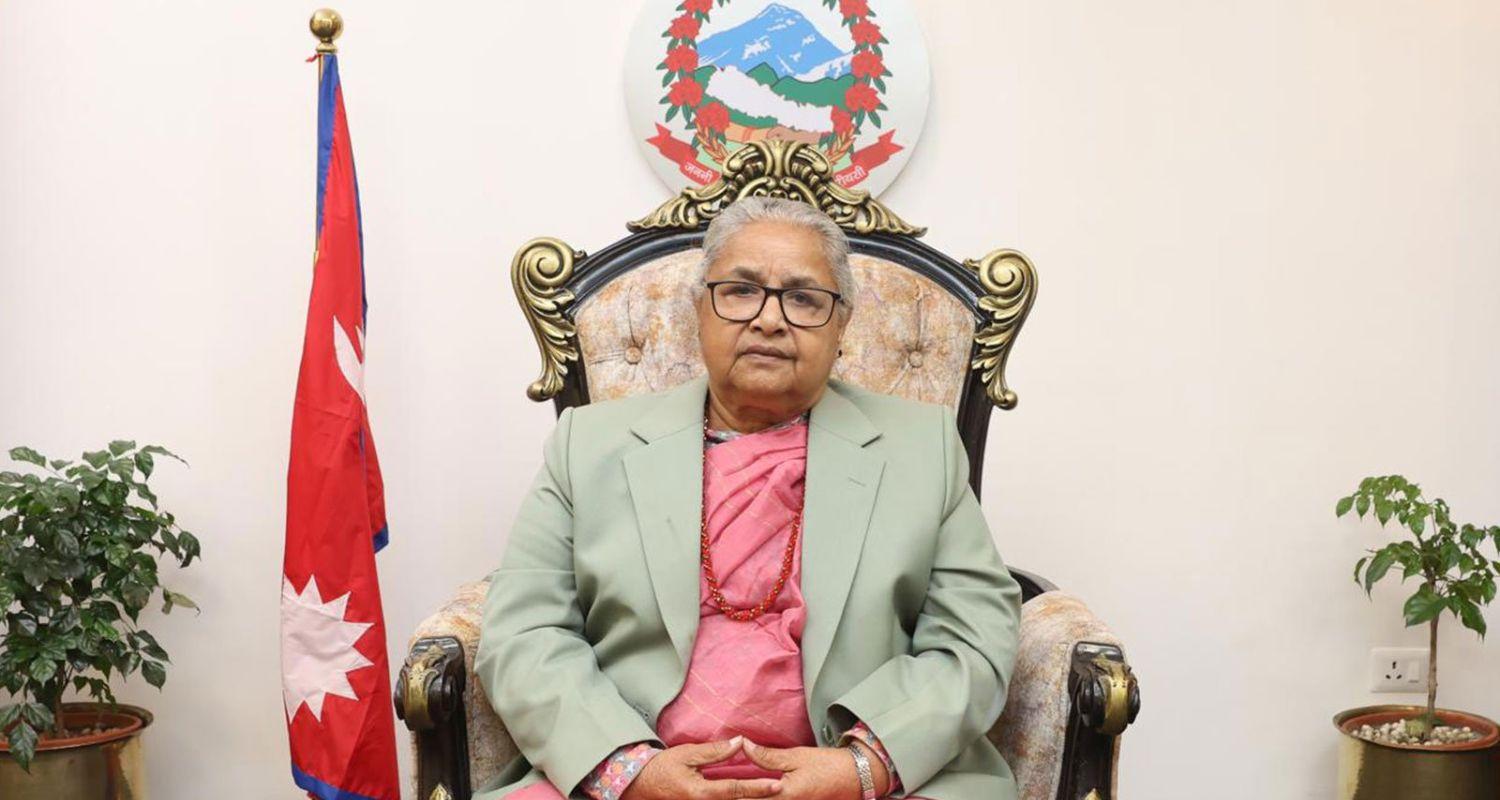
The findings were handed over to interim Prime Minister Sushila Karki at the Singhdurbar office by the commission’s chair, former Supreme Court Justice Gauri Bahadur Karki. However, both the commission and the government have remained tight-lipped regarding the specific identities of those responsible for the deaths of protesters. The unrest, which rocked the country over two days, resulted in 76 fatalities— 22 people were killed on 8 September, followed by a further 54 the next day.
The judicial inquiry was established on September 21, just a week after Ms Karki assumed office. It followed the dramatic resignation of former Prime Minister KP Sharma Oli, who stepped down on September 9 amidst escalating violence sparked by public anger over corruption and a controversial ban on social media.
Speaking to the press after delivering the report, Justice Karki noted that widespread public frustration had been fuelled by the blatant politicisation of state institutions, including the bureaucracy and the judiciary. He confirmed that the commission has recommended legal action against those who pulled the triggers, those who issued the orders, and those who stood by and failed to intervene.
"We have fulfilled our duty honestly, recording the facts without prejudice," Karki stated, though he warned that the government’s next moves are critical. He cautioned that if the recommendations are ignored, the country could face another wave of youth-led unrest.
The commission’s work took significantly longer than the three months originally allotted by the Cabinet. After three extensions totalling 75 days, the report finally arrived just after the March 5 general elections, which were called to restore stability following the collapse of the Oli government.
Also read: Supporters of ex-Nepal king root for monarchy

 Follow us