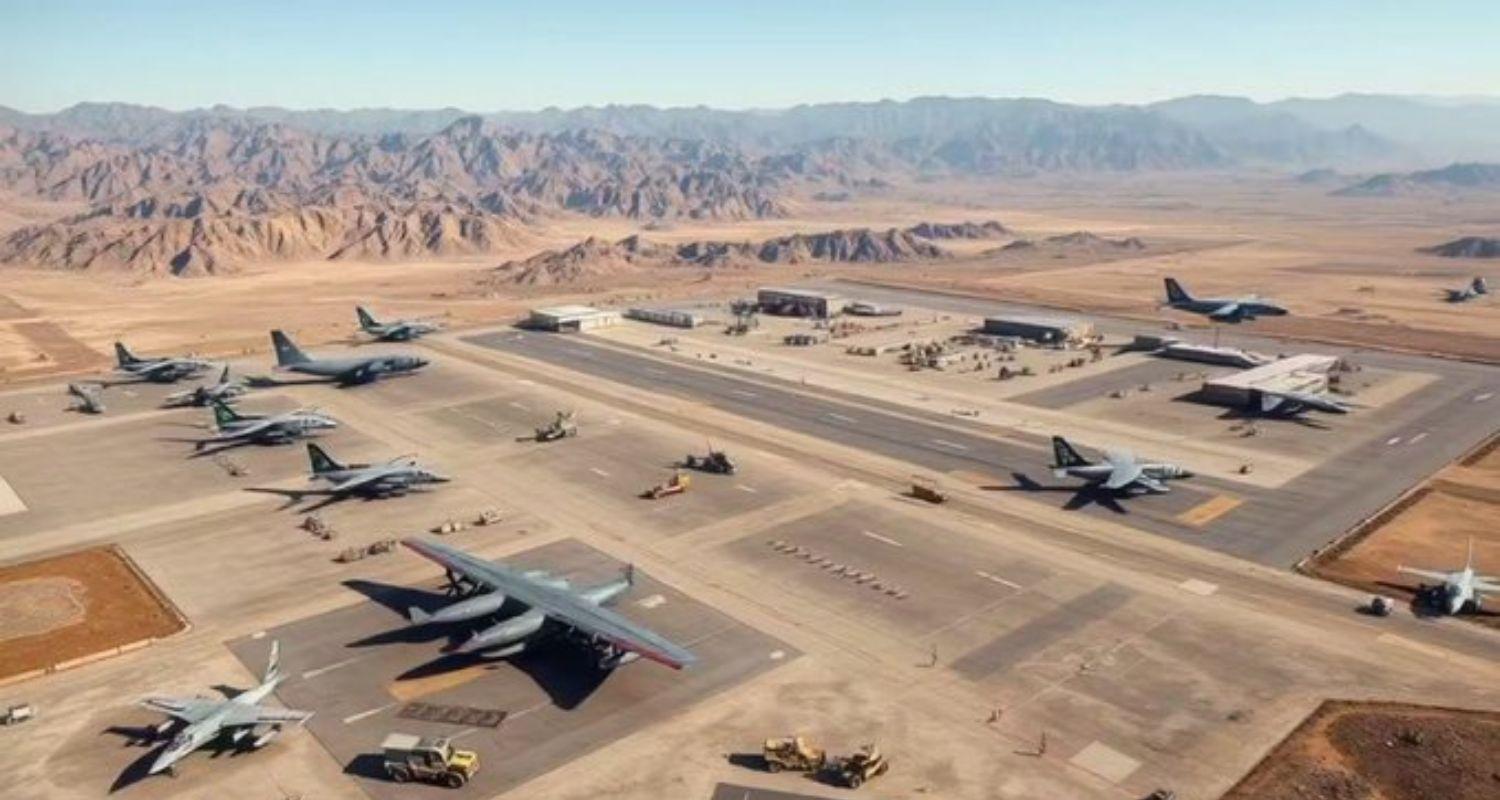
Even though Pakistan plays a neutral role as a mediator in international affairs, it is claimed that during the conflict between Iran and the US, Pakistani government permitted Iranian aircrafts to be accommodated at its airbase. According to the reports, the reason for the decision to do so was made following the announcement of the ceasefire at the beginning of April when Iran relocated its property, including its RC-130 aircrafts, to Pakistan Air Force Base Nur Khan.
It seems that the decision was taken with an intention to provide security for its aircrafts in the aviation forces from attacks by the United States. The revelation has already sparked a backlash in Washington. US Senator Lindsey Graham took to social media to state that, if verified, the report would necessitate a "complete reevaluation" of Pakistan’s role as a middleman, particularly given previous rhetoric from Islamabad regarding regional allies.
The reach of Iran's "parking" strategy reportedly extended into Afghanistan as well, with civilian and potentially military aircraft moved across that border. While an Afghan aviation official confirmed that a Mahan Air flight was diverted to Kabul and later Herat for safety, the Taliban has officially dismissed the notion that Tehran had any reason to use their territory for such purposes.
A senior Pakistani official has also flatly denied the allegations regarding Nur Khan Air Base, arguing that any such activity would be impossible to conceal given the base's location in a heavily populated urban area.
These claims place Islamabad in an increasingly awkward position. For years, Pakistan has performed a precarious balancing act, maintaining a vital security relationship with the United States while ensuring it does not provoke Iran or its own primary benefactor, China. Beijing, which supplied nearly 80 percent of Pakistan’s major arms imports over the last four years, has previously lauded Islamabad for facilitating indirect talks between the two warring powers.
However, the diplomatic situation remains volatile. Even with a ceasefire on paper, Tehran has issued a series of steep demands, including war reparations and full sovereignty over the Strait of Hormuz— terms Donald Trump has dismissed as "totally unacceptable." On the ground, the peace remains fragile; fresh clashes were reported near the Strait over the weekend, with the United Arab Emirates accusing Iran of launching drone strikes against its territory following a series of naval skirmishes involving US destroyers last week.
Also read: Pakistan to celebrate May 10 as ‘Marka-e-Haq Day’ every year

 Follow us