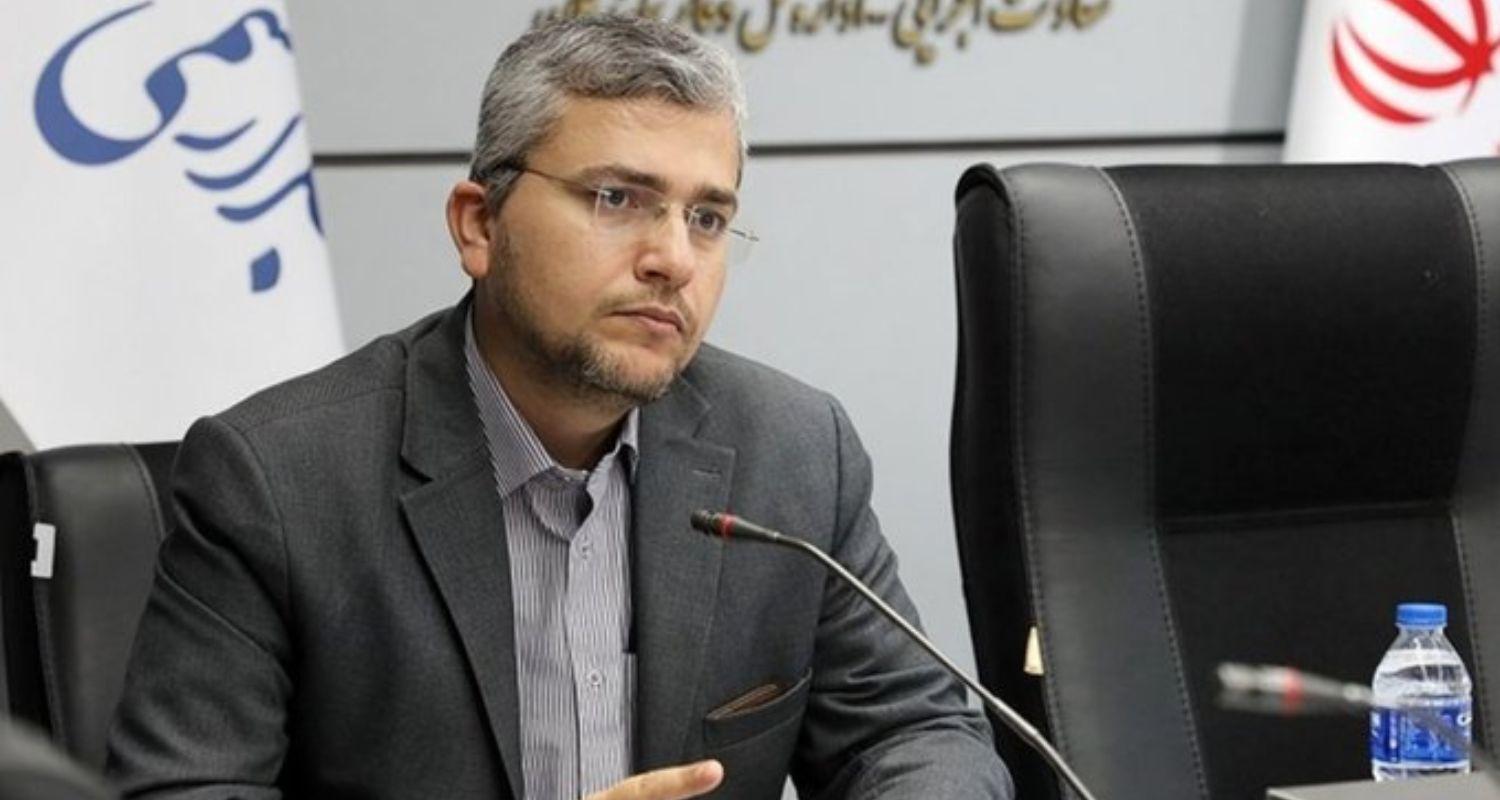
Doubts have been cast on Pakistan’s suitability as a mediator in ongoing regional negotiations by a senior Iranian legislator, raising pressing questions about neutrality at a sensitive diplomatic crossroads. Ebrahim Rezaei, the spokesperson for Iran’s National Security and Foreign Policy Commission, suggested that Islamabad lacks the necessary credibility to act as a go-between. While acknowledging Pakistan as a "good friend and neighbour" in a post on X, Rezaei argued that the country remains an unsuitable intermediary due to a perceived tendency to align itself with American interests. He further alleged that Islamabad avoids open criticism of Washington and has failed to address instances where the US purportedly reneged on commitments regarding Lebanon and frozen Iranian assets, noting that a mediator must remain impartial rather than leaning consistently towards one side.
These blunt remarks arrive just as Iran’s Foreign Minister, Abbas Araghchi, intensifies his diplomatic circuit to keep negotiations from collapsing. Araghchi recently conducted his second visit to Islamabad in three days, holding talks with Pakistan’s Army Chief, General Asim Munir, regarding the current conflict and potential de-escalation pathways. Before arriving from Oman—where he consulted with Sultan Haitham bin Tariq al-Said on security within the Strait of Hormuz—Araghchi had also met with Prime Minister Shehbaz Sharif. Reports from Tehran suggest these discussions have expanded well beyond the nuclear file, now encompassing a proposed legal framework for the Strait of Hormuz, demands for financial compensation, guarantees against further military engagement, and the removal of US maritime restrictions.
As Araghchi prepares to head to Moscow to maintain diplomatic momentum, the broader landscape remains fraught with uncertainty. Outreach efforts have stuttered recently, particularly after Washington withdrew from a scheduled round of talks in Pakistan. Addressing the cooling relations, US President Donald Trump remarked in a Fox News interview that the onus for direct contact now sits with Tehran. Suggesting that the door remains open for those willing to initiate dialogue, Trump noted that Iran is free to reach out independently if they seek a resolution, dryly pointing out that secure communication lines are readily available should they choose to use them.
Also read: Araghchi returns to Pakistan as Trump freezes envoys

 Follow us