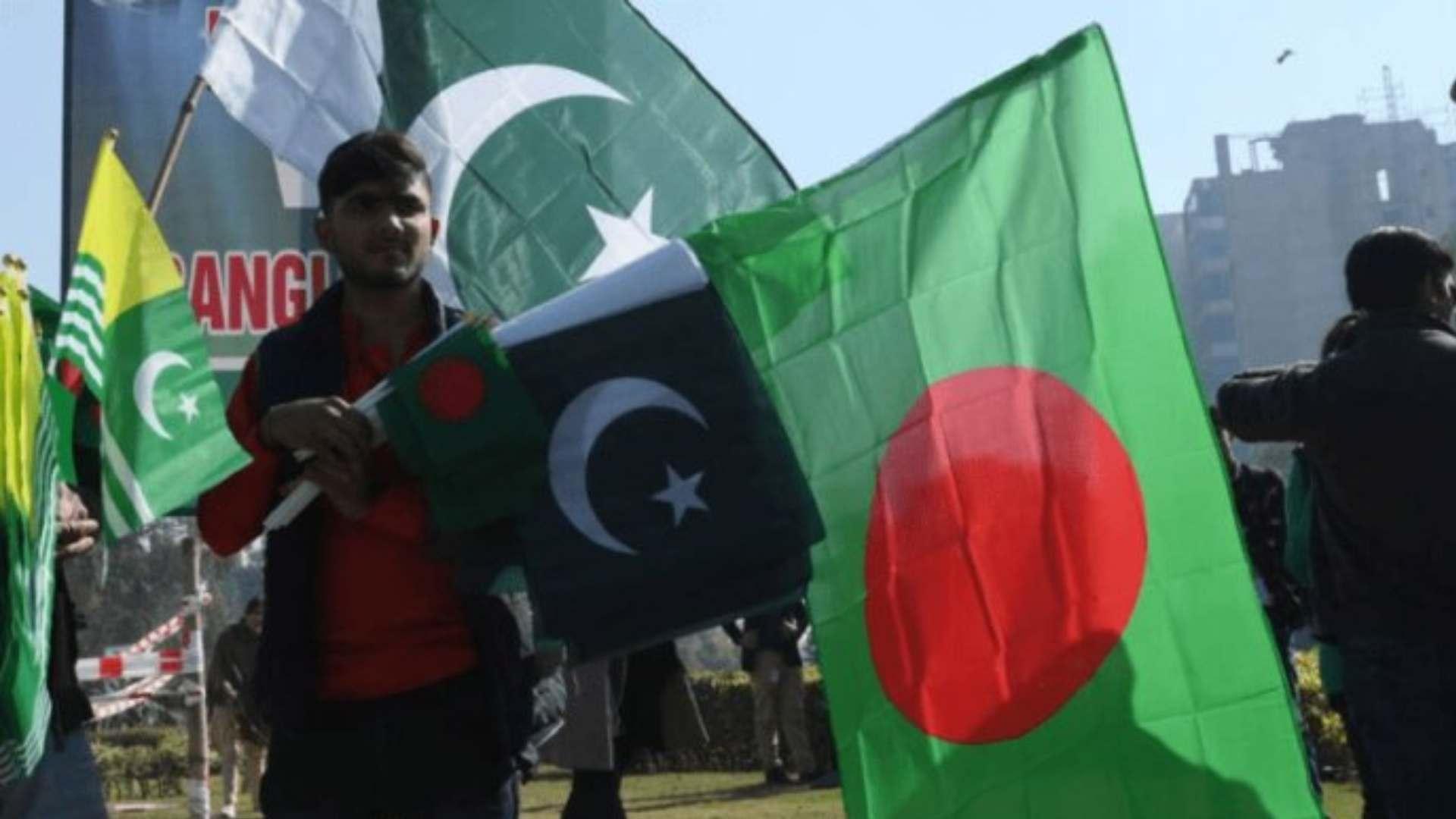
After allegedly consolidating significant influence over Bangladesh’s armed forces and political landscape, Pakistan is now making a concerted effort to shape the country’s language-driven educational ecosystem, intelligence agencies operating in Dhaka have reported.
According to intelligence sources, a Pakistani delegation led by Major General (retd) Shahid Kayani, Rector of Islamabad-based National University of Modern Languages, arrived in Dhaka via Dubai on January 11. The delegation also includes Professor Razia Sultana, Vice-Chancellor of Women’s University in Mardan, and Atiq Shahid Kayum. The three are scheduled to attend the Asian Regional Conference on Higher Education, being held at the Le Meridien Hotel in Dhaka from January 12 to 15.
The conference, which focuses on regional cooperation and education diplomacy, is expected to see participation from university regulatory bodies and academic leaders from SAARC nations. Intelligence officials, however, believe Pakistan is using the platform to expand its educational footprint in Bangladesh and recalibrate academic influence in the region.
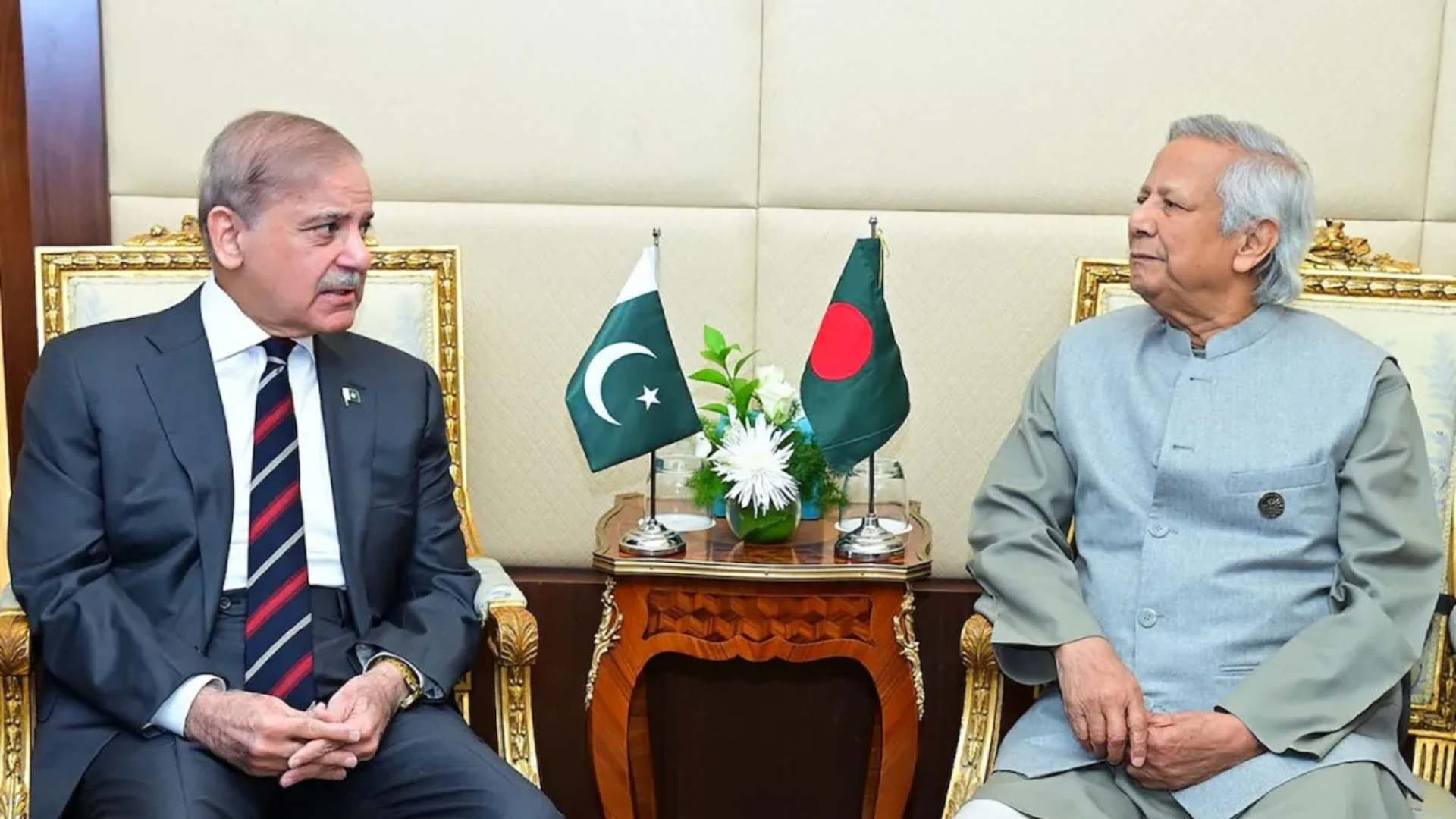
In a parallel development, Pakistan’s Higher Education Commission (HEC) Executive Director Professor Zia-ul Haq also arrived in Dhaka, leading a six-member delegation. The team includes Professor Arabella Bhutto, Vice-Chancellor of SABS University of Art, Design and Heritage in Sindh; Professor Ehsan Ullah Kakar, Vice-Chancellor of the University of Loralai in Balochistan; and Professor Zahoor Ahmed Bazai, Vice-Chancellor of the University of Balochistan and Chair of the All Pakistan Vice Chancellors Committee, among others.
Intelligence agencies note that this is not the first instance of Pakistani academicians attempting to influence Bangladesh’s higher education space, often in ways perceived to counter India’s long-standing educational outreach. “In November 2025, Pakistani higher education authorities launched a major initiative aimed at institutionalising a large-scale scholarship programme for Bangladeshi students,” said an intelligence wing officer.
Also Read: Bangladesh unrest: BNP leader shot dead
He said the programme, offering 500 fully funded higher-education opportunities, was first targeted at Rajshahi University and was presented as a means to expand academic mobility and provide affordable international study options amid rising global education costs. The initiative was announced during Pakistan’s largest-ever Education Expo in Bangladesh, organised in Dhaka by the Pakistan High Commission in collaboration with the HEC.
More than 15 top-ranked Pakistani universities participated in the expo, engaging directly with Bangladeshi students aspiring to study abroad. Among the first batch of selected candidates was a Hindu undergraduate student from Ulipur in Rangpur division, who received a Pakistan HEC-sponsored scholarship—an initiative intelligence officials say was designed to mirror and compete with India’s scholarship schemes that have been operational for years.
The November 2025 education fair was attended by Pakistan’s Higher Education Director Jehan Jeb Khan and Pakistan High Commission Counsellor Kamran Dangal. Intelligence agencies caution that while the initiative is framed as academic cooperation, it also seeks to enhance Pakistan’s cultural and institutional influence in Bangladesh by leveraging shared history and expanding its presence in key knowledge sectors.
Also Read: Bangladesh Hindu youth dies after alleged assault over small debt

 Follow us