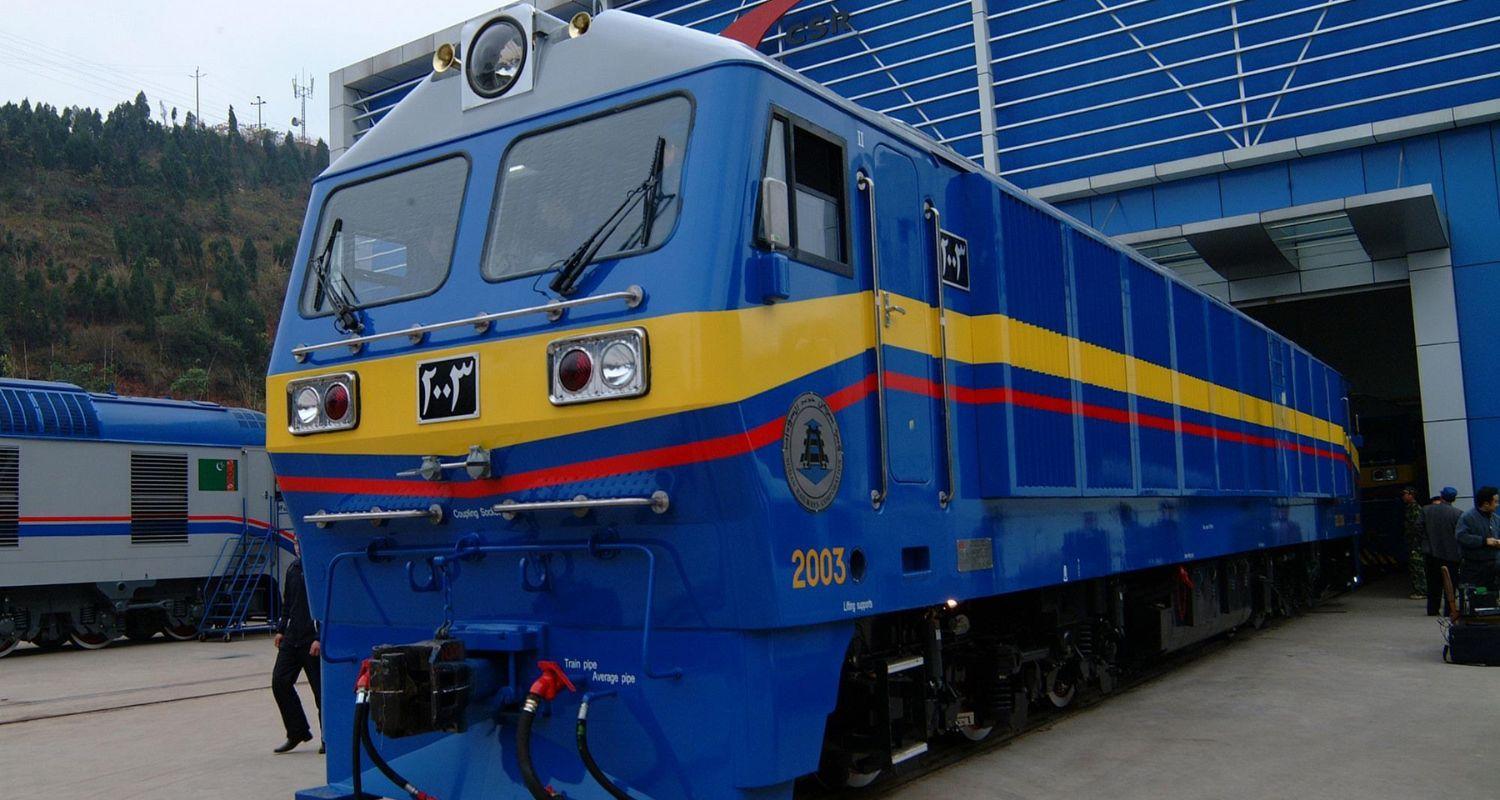
Sudan has taken a significant step toward restoring normalcy by resuming train services between Port Sudan in the Red Sea State and Atbara in the River Nile State. This marks the first railway line to become operational since the outbreak of the ongoing civil conflict in April 2023.
The train departed from Port Sudan on Thursday evening and arrived in Atbara on Friday. This milestone signals a cautious revival of the country’s railway sector, which has suffered immensely due to the fighting between the Sudanese Armed Forces and the paramilitary Rapid Support Forces.
Sudan’s Transport Minister, Abu Bakr Abu Al-Qasim Abdalla, expressed optimism over this development. He stated that efforts are underway to restore train services across other railway lines connecting cities throughout Sudan.
He emphasised that the resumption of operations on this line is only the beginning of a broader initiative.
The Sudan Railways Corporation has confirmed that there will be a train service every two weeks between Port Sudan and Atbara. The train, consisting of six carriages, has a capacity to accommodate 432 passengers.
It covers a distance of around 600 kilometres, taking approximately 12 hours to complete the journey.
The prolonged civil war has wreaked havoc on Sudan's railway sector, with nearly 80 per cent of passenger and freight trains ceasing operations.
Infrastructure, including stations and wooden railway sleepers, has also been looted during the conflict, further complicating restoration efforts.
The human cost of the conflict has been staggering. At least 20,000 lives have been lost, though the actual death toll is believed to be much higher. The deteriorating health system and ongoing violence have made it nearly impossible to verify casualty figures accurately.
The war has also triggered one of the world’s largest displacement crises. Over 11 million people have been forced to flee their homes, seeking refuge in camps or neighbouring countries.
The United Nations has highlighted the worsening humanitarian situation, citing famine and outbreaks of diseases like cholera as additional challenges for the beleaguered population.



 Follow us