Bangladesh’s interim government has confirmed that the Awami League, led by ousted Prime Minister Sheikh Hasina, will be barred from participating in the national parliamentary elections scheduled for February 2026. The party’s activities remain banned and its registration has been suspended, officials said.
Shafikul Alam, Press Secretary to the Chief Adviser of the interim government, told reporters on Wednesday that the Awami League, whose leaders are currently facing trial at the International Crimes Tribunal, will be unable to contest the upcoming polls. The ban extends to all affiliated, associated, and fraternal organisations of the party.
“Since the Awami League's activities are banned and the Election Commission has deregistered the party, the Awami League will not be able to take part in this election,” Alam said during a press conference following a meeting of the Advisory Council of the interim government. Responding to questions about a reported letter from US lawmakers expressing concern over the ban, he said he was not aware of it but reiterated the government’s position.
Also read: VIP security for Tarique Rahman upon return to Bangladesh
The ban was first issued in May through a gazette notification by the Public Security Division of the Ministry of Home Affairs under the Anti-Terrorism (Amendment) Ordinance. It will remain in force until the completion of trials at the International Crimes Tribunal.
Sheikh Hasina criticised the decision, asserting that an election without her party would not constitute a genuine vote. “An election without the Awami League is not an election but a coronation. Yunus governs without a single vote from the Bangladeshi people, and now he seeks to ban the party that has been elected nine times by popular mandate,” she said.
She added that millions of voters would be disenfranchised if the ban persists, warning that any government emerging from such an election would lack moral authority. “Historically, when Bangladeshis cannot vote for their preferred party, they do not vote at all. This would be a terrible missed opportunity at a time when Bangladesh badly needs a process of genuine national reconciliation,” Hasina said.
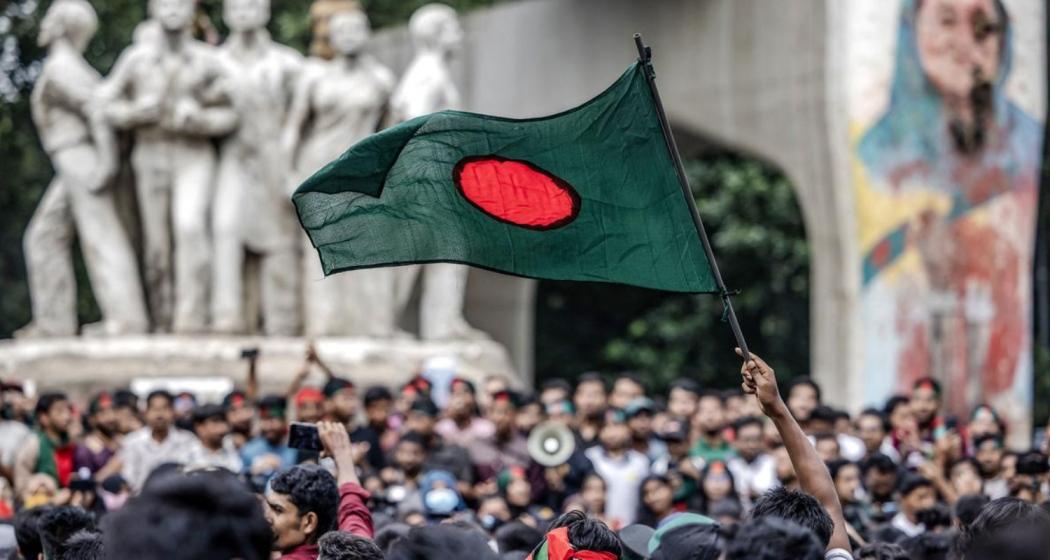
Bangladesh is preparing for its national elections nearly a year after Hasina’s government was ousted following a student-led uprising in July last year. Political tensions remain high as the country heads into the February 2026 polls.

 Follow us