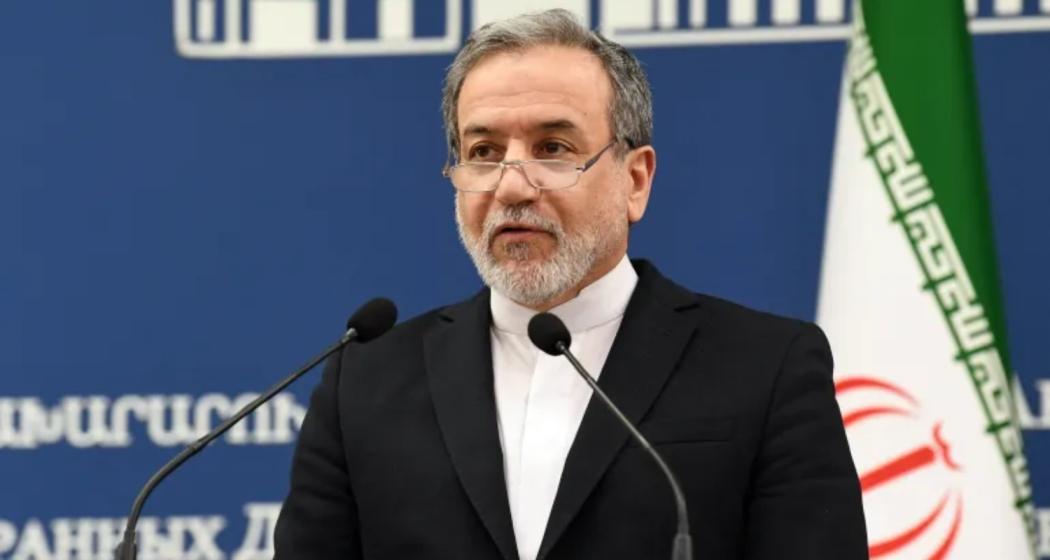
Iran on Friday declared the Strait of Hormuz “completely open” for commercial shipping during the ongoing ceasefire, even as US President Donald Trump claimed Tehran had agreed to never shut the vital oil route again, a statement not formally confirmed by Iranian authorities.
Iranian Foreign Minister Abbas Araghchi said the passage for all commercial vessels through the Strait of Hormuz would remain open “for the remaining period of ceasefire,” following a 10-day truce between Israel and Lebanon. Ships have been asked to move along designated routes coordinated by Iranian authorities.
The reopening of the strait, through which a significant portion of global oil supply passes, has eased immediate concerns over energy disruptions that had driven up prices during the conflict.
Trump claims long-term assurance
Trump, however, went a step further, asserting that Iran had agreed to never close the Strait again. Calling it a “brilliant day for the world,” he said Tehran was already removing sea mines with US assistance.
Despite the reopening, Trump maintained that the US naval blockade on Iranian ports and vessels would remain “in full force” until a comprehensive deal is reached. “UNTIL SUCH TIME AS OUR TRANSACTION WITH IRAN IS 100% COMPLETE,” he said.
Talks signal possible breakthrough
Expressing optimism, Trump said negotiations with Iran were progressing well and the war could end “pretty soon.” He indicated that another round of talks could take place over the weekend, possibly in Islamabad, even hinting at a visit to Pakistan if a deal is finalised there.
The US has reportedly pushed for a 20-year pause on Iran’s nuclear programme, while Tehran is said to have proposed a shorter five-year halt.
The developments come alongside a fragile ceasefire between Israel and Lebanon, which came into effect on Thursday after weeks of intense fighting that left thousands dead.
While celebrations were reported in parts of Beirut, Lebanese authorities have accused Israel of violating the truce through intermittent shelling in southern regions. Israel has not officially responded, but said its forces remain deployed due to continued Hezbollah activity.
War’s toll and global impact
The conflict, which began on February 28 with US-Israeli strikes on Iran, has had far-reaching consequences, including a surge in oil prices and disruption of global shipping routes. The conflict has claimed several thousand lives so far, with estimates ranging between 3,000 and 5,000 deaths across the region, though exact figures remain uncertain.
The reopening of the Strait of Hormuz is seen as a crucial step towards stabilising markets, but with key differences in US and Iranian positions, the path to a lasting agreement remains uncertain.
Also read: Iran agrees to give enriched uranium, claims Trump

 Follow us