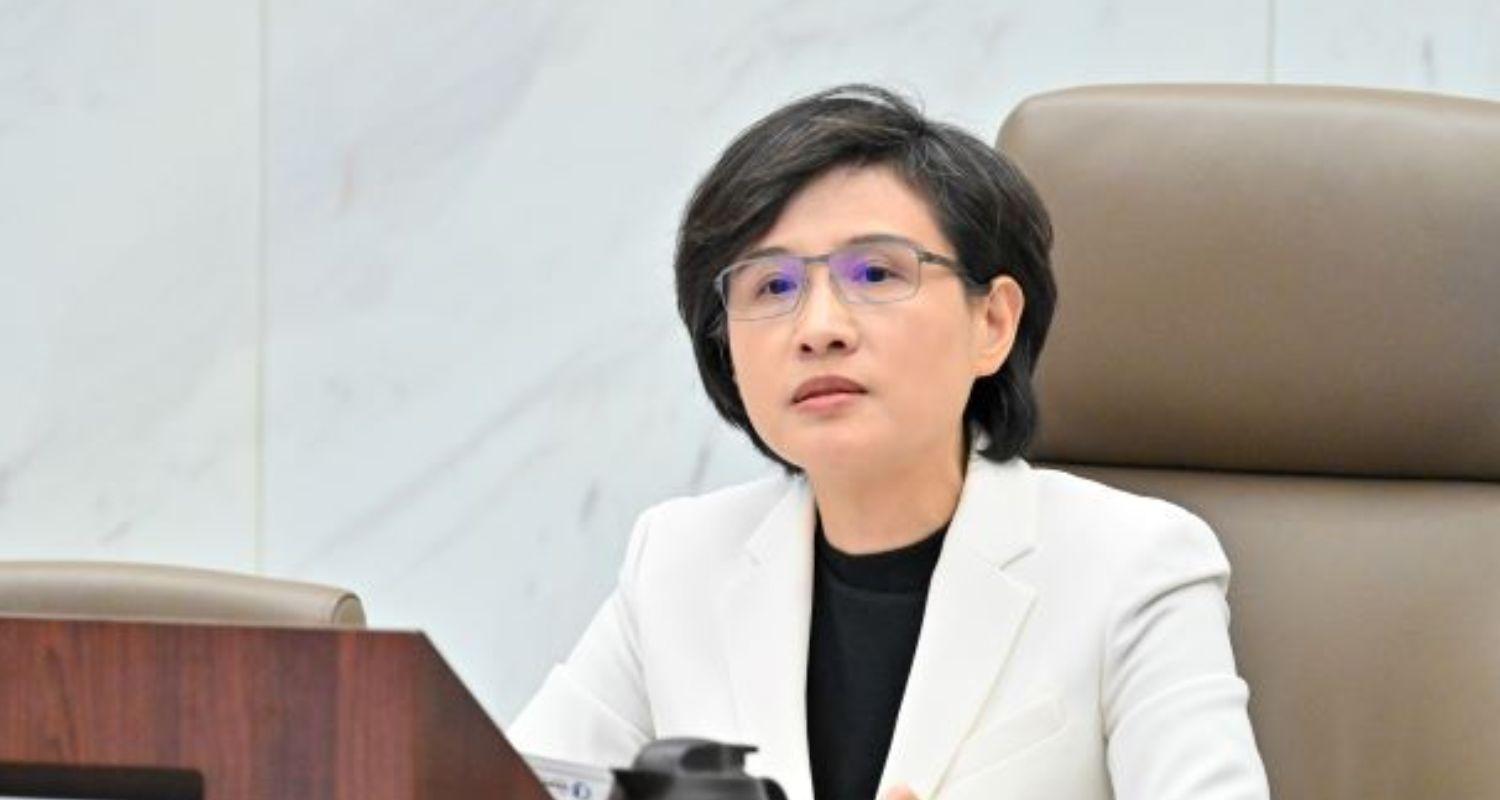
The Taiwanese government has rejected US demands to relocate 40 per cent of its semiconductor production capacity to the United States, citing logistical and structural challenges. Taiwan’s Vice Premier Cheng Li-chiun, in an interview that aired late on Sunday, stated, “I have made it very clear to the United States that it is impossible to shift the decade-old semiconductor industry to the US.”
She added that the ecosystem would continue to grow in Taiwan, while allowing some scope for expansion of the industry in the United States.
“Our international expansion, including increased investment in the United States, is based on the premise that we continue to remain rooted in Taiwan and expand investment at home,” she said.
Her comments came a week after US Commerce Secretary Howard Lutnick emphasised the need to bring semiconductor manufacturing back to the United States.
“It is illogical to have all the semiconductor manufacturing facilities 80 miles from China,” he said, adding, “We need to bring them back.
”He further stated that the US government’s primary goal was to relocate at least 40 per cent of Taiwan’s semiconductor industry to US soil.
Earlier, Taiwan and the United States had reached an agreement to reduce tariffs on Taiwan’s exports from 20 per cent to 15 per cent, partly to encourage greater Taiwanese investment in the US.
Cheng clarified that there would be no relocation of Taiwan’s science parks, but Taipei was willing to expand cooperation and share expertise in building the industry.
In September last year, Lutnick said in an interview that the United States had demanded a 50-50 split in the chipmaking business, the vast majority of which is currently concentrated in Taiwan.
Also read: US, Taiwan sign $250-bn trade deal

 Follow us