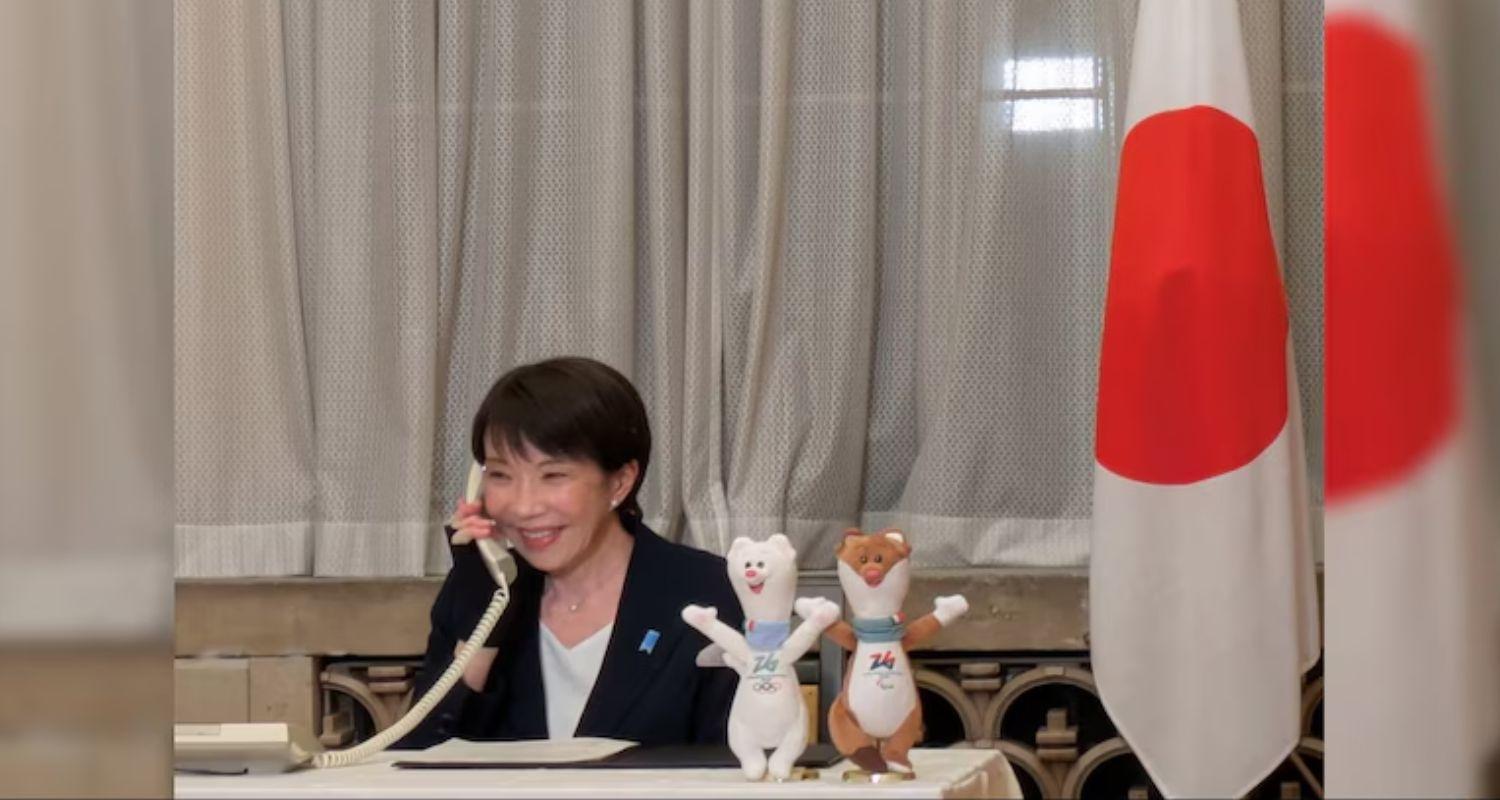
In a dramatic turnaround, Japan’s Prime Minister Sanae Takaichi is reported to have achieved a landslide victory in her snap election, mitigating any impact from a run of scandals to score a two-thirds supermajority. According to preliminary election results from Sunday’s election, her Liberal Democratic Party (LDP) won 316 seats in Japan’s 465-member lower house, the highest number for the party since its founding in 1955.
Takaichi, Japan’s first female leader, called the election just three months into her term, betting that her personal popularity could overcome voter discontent over party funding issues.
With such a policy agenda, Takaichi is ready to further a robust right-wing agenda that focuses on strengthening Japan’s economy, as well as its military capabilities, as tensions between Japan and China escalate. The ultra-conservative leader has vowed to take a "flexible" approach, particularly one that seeks to work with the opposition while firmly pushing through policies intended to make Japan stronger. Her victory is important, especially because it allows her to avoid the upper chamber, where her party does not enjoy as much influence.
These results reflect a fractured opposition indeed, with a newly formed centrist alliance that has won less than half of the pre-election total, but they reflect a warm welcome to the "work, work, work" approach of the incoming Japanese leader. While it is foreseen that her political platform is bound to be unpopular in the longer run due to her hawkish approach toward China and her way of handling immigration policy, the fact remains that there are no further electoral mandates envisaged before 2028, and Takaichi has secured her hold over the Japanese government.
Also read: Italy off to flying start at Milan Cortina Winter Games

 Follow us