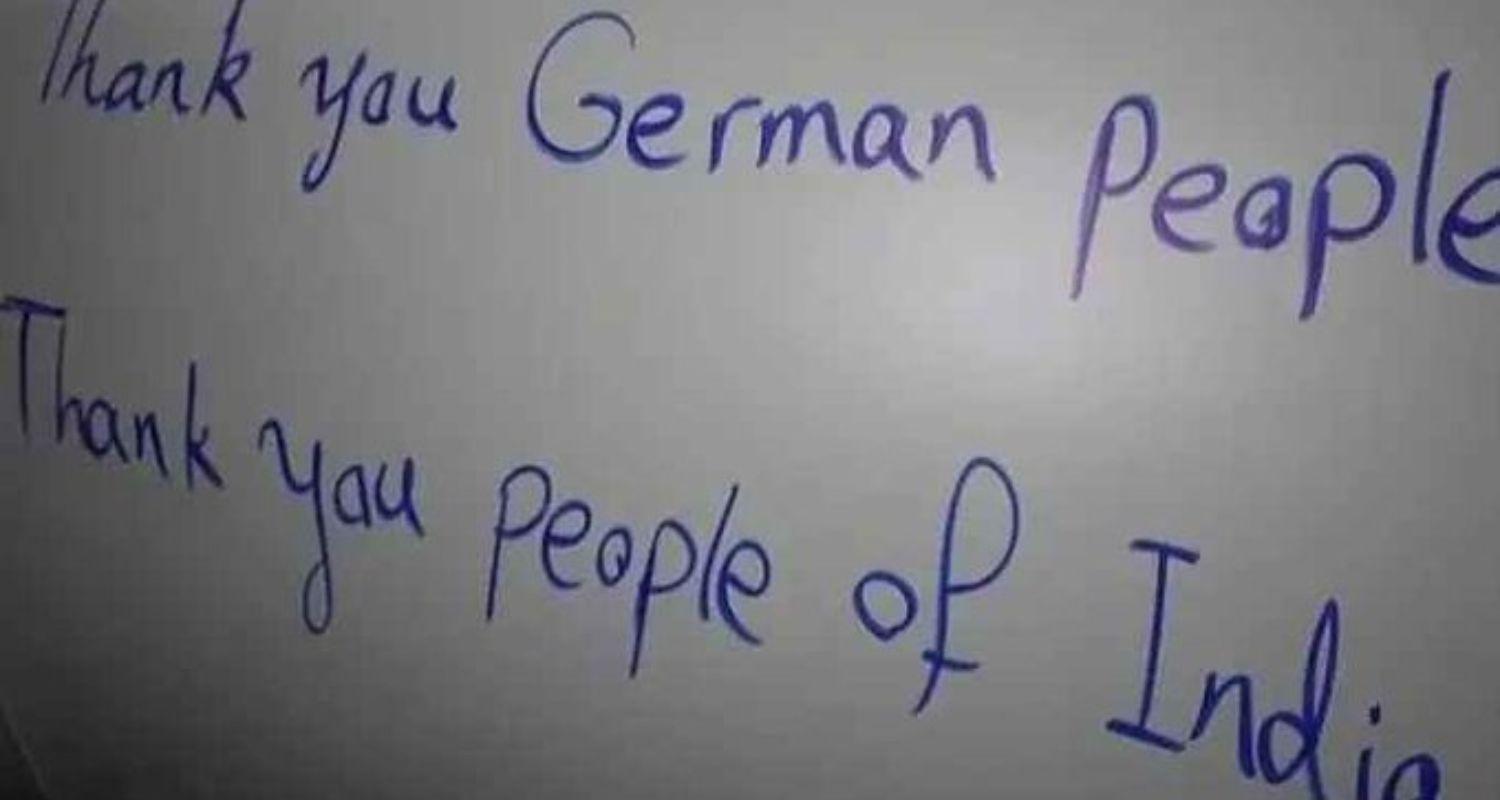
In a move that underscores the complex diplomatic and humanitarian ties between Tehran and New Delhi, Iranian military personnel have been pictured inscribing messages of gratitude to the "people of India" on missiles launched during the latest escalation of the West Asia conflict. Visuals released by the Iranian Consulate General in Mumbai and state media show members of the Revolutionary Guard’s Aerospace Force using blue markers to write "Thank you to the people of India" on the casings of long-range projectiles before they were fuelled and fired.
This unusual display of appreciation occurred during what Tehran described as the "83rd wave" of Operation True Promise 4. According to the Islamic Revolutionary Guard Corps (IRGC), the strikes targeted several high-profile Israeli and American assets, including oil storage facilities in Ashdod and US military installations at Al-Dhafra and Ali Al-Salem. Similar messages are claimed to have been conveyed to the people of Spain, Pakistan, and Germany—countries that Tehran seems to perceive as taking a more empathetic and neutral stance in these hostilities.
The move is a direct acknowledgment of India’s unique position in the region. Despite the broader naval blockade, Iranian Foreign Minister Abbas Araghchi recently confirmed that Indian vessels are being granted safe passage through the strategically vital Strait of Hormuz, categorising India as a "friendly" nation. Furthermore, the messaging reflects a growing awareness in Tehran of the grassroots humanitarian support emerging from India, particularly from Jammu and Kashmir. In recent weeks, donation drives in the valley have seen civilians contributing everything from jewellery to children's piggy banks to aid those affected by the conflict in Iran. The Iranian Embassy recently highlighted the case of a Kashmiri widow who donated gold she had kept for 30 years, an act the mission claimed would "never be forgotten."
Such developments — for New Delhi — underscore the precarious balance it is forced to maintain. While the Indian government has been quick to condemn the violence and call for a return to "dialogue and diplomacy" following the initial strikes on February 28, it is also bound by the energy ties and cultural affinities of the past. As the conflict continues into its second month, the presence of India’s name on the Iranian arsenal serves as a reminder of the country’s considerable, though complicated, role in the region’s changing geopolitical map.
Also read: Why US hasn’t used force to secure the Strait of Hormuz?

 Follow us