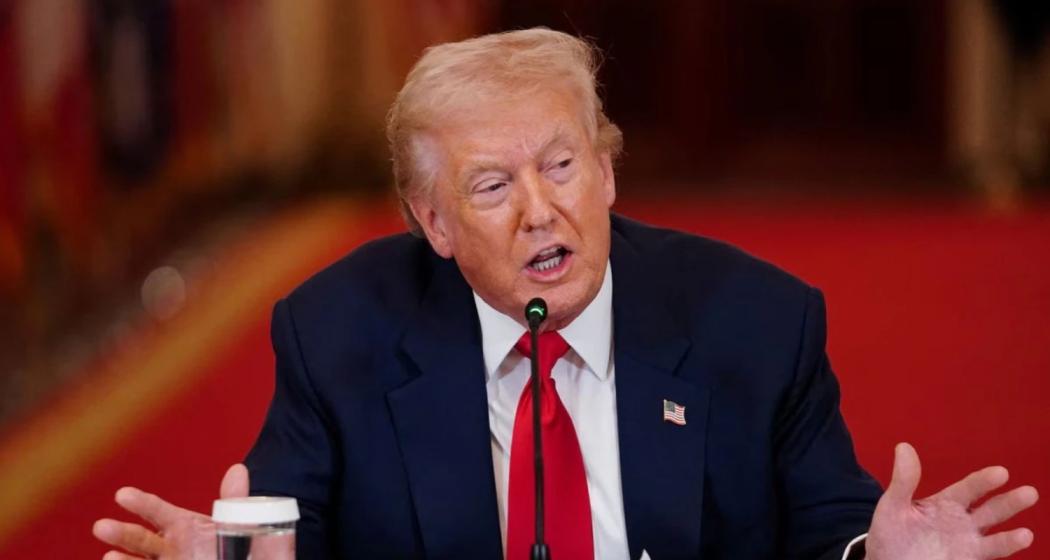
The US-Israeli war against Iran entered its third week, President Donald Trump intensified diplomatic pressure by demanding that "about seven" oil-dependent countries join a naval coalition to police the Strait of Hormuz. His appeals, including warnings that the US "will remember" reluctance, met cautious or noncommittal responses from allies, while fresh strikes and disruptions continued to drive oil prices above $104 per barrel.
The US-Israel axis sustained air strikes targeting military and infrastructure sites, as Iran responded with missile barrages and drone attacks across the region. Civilian casualties in Iran have risen sharply, with government figures reporting hundreds dead and over 42,000 sites damaged.
Oil prices climbed toward $105 per barrel amid shipping disruptions, prompting the International Energy Agency to release emergency stocks. Israel reported fresh Iranian missile strikes, while Lebanese casualties from related operations reached 850. No ceasefire talks have materialised, despite earlier claims.
Dubai Airport closes; flights cancelled and rescheduled
A suspected Iranian drone strike ignited a fire near a fuel tank at Dubai International Airport, the world’s busiest hub, forcing a temporary suspension of all operations on 16 March. Emirates grounded flights, while dozens of international carriers cancelled or diverted services, leaving passengers stranded across Europe-Asia routes.
Civil defence teams contained the blaze with no reported casualties. Operations resumed on a limited schedule later in the day, but many flights remained rescheduled or rerouted via alternative hubs such as Istanbul and Singapore. The incident underscored the conflict’s spillover into neutral Gulf aviation, compounding no-fly zones and raising global travel costs.
Netanyahu releases video amid death rumours
Israeli Prime Minister Benjamin Netanyahu posted a video from a Jerusalem café, casually ordering coffee and chatting with an aide while dismissing Iranian state-media rumours of his death or injury. In the clip, he joked that he was “dying for coffee” and displayed his hands to counter claims the footage was AI-generated. The video, released on Sunday, came after Iran’s Revolutionary Guards vowed to assassinate him. Hower, GROK AI user reported the video to be AI-generated.
Netanyahu used the moment to reassure Israelis and signal resolve, stating the conflict would not drag on for years. It followed reports of intensified strikes and Iranian ballistic missile use.
Also read: EU imposes sanctions on Russia after strikes kill 6 in Ukraine
Trump rebuked by 7 countries over Hormuz coalition
President Donald Trump revealed he had demanded “about seven” oil-dependent nations, including China, France, Japan, South Korea and Britain to join a US-led coalition to police the Strait of Hormuz. Speaking aboard Air Force One on Sunday, he warned hesitant allies “we will remember” their reluctance.
European partners sought clarity but declined immediate warship deployments, with Germany ruling out involvement and Britain avoiding “harm’s way”. China called for de-escalation only. No commitments emerged, as oil prices surged and shipping stalled.
Oil loading suspended at UAE’s Fujairah Port
A fresh Iranian drone strike hit the UAE’s key oil trading hub of Fujairah on 16 March, sparking a large fire in the petrochemical zone and forcing ADNOC to suspend oil loadings. Damage was still being assessed, though some other operations resumed. The port, vital for Gulf exports, had faced prior attacks. Civil defence contained the blaze with no casualties reported. The suspension added to broader Strait of Hormuz disruptions, threatening global energy supplies and contributing to record oil-price volatility.
Fresh US-Israeli attack pounds Iran
US-Israeli forces launched fresh strikes on the Iranian city of Hamadan, with footage showing massive smoke plumes rising over the area. The assault, part of ongoing waves targeting nuclear, missile and military sites, came as the war intensified into its third week. Iranian officials reported continued retaliation, including first-time use of Sejjil ballistic missiles against Israeli targets. The strikes follow earlier damage to oil facilities and internal security infrastructure.
Iran FM: Hormuz Open for all except US
Iran’s Foreign Minister Abbas Araghchi declared the Strait of Hormuz “open” to international shipping but closed to US and Israeli vessels and tankers. In a 15 March interview, he stated: “It is closed only to tankers and ships belonging to our enemies, to those who attack us and their allies. Others can pass freely.” The vital waterway, carrying one-fifth of global oil, has seen sharply reduced traffic since the conflict began. Tehran rejected ceasefire overtures and threatened further retaliation against energy targets.

 Follow us