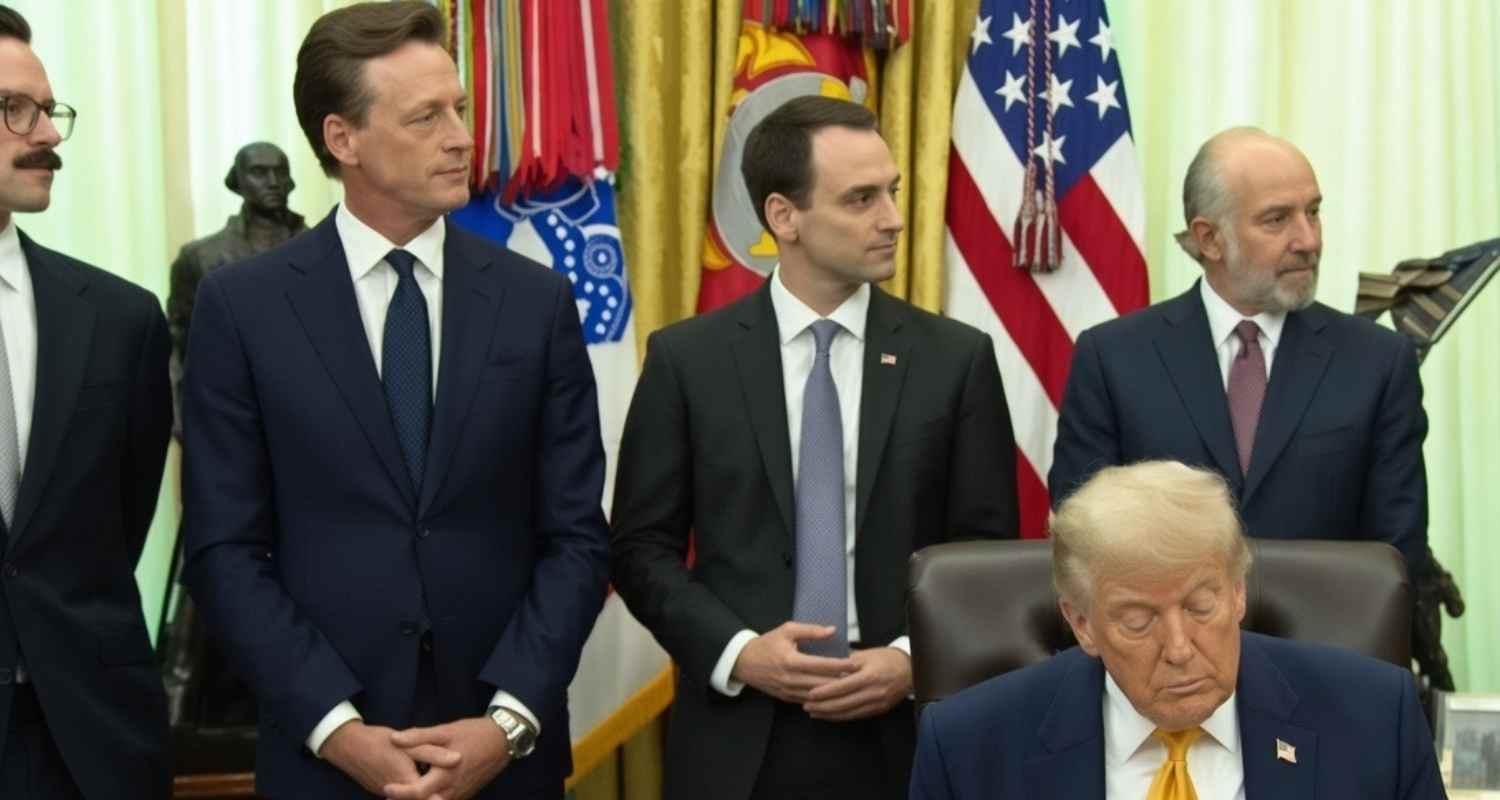
President Donald Trump has said that the US military maintains “total control” over the Strait of Hormuz with plans to hold it, while Iranian officials say the critical waterway remains closed until Washington agrees to the terms and conditions set by Tehran. According to the US military, 59 commercial ships have been redirected, three disabled and two boarded since the naval blockade on Iran was reinstated.
Pakistan has stated it is actively working to bring Washington and Tehran “to the negotiating table”, with Interior Minister Mohsin Naqvi holding discussions with senior Iranian officials. The International Energy Agency forecasts a reduction of 4.3 million barrels per day in global oil production this year, driven by disruptions in the Strait of Hormuz and Bab al-Mandeb.
Oil from a grounded tanker has washed up on Oman’s coastline, with the spill spreading across more than 2,000 sq km (770 sq miles).
Iran continues to stand firm, vowing to maintain its resistance to the United States and keep the strait closed until every one of its demands is fulfilled.
In the meantime, analysts noted that Iranian concerns focused less on the terms of any potential agreement itself and more on whether those terms would actually be carried out.
Two main issues stood out: the first concerned security guarantees that Iran wants to ensure that any agreement leads to a period of stability. The second centred on economic demands, particularly the removal of the US naval blockade and the freezing of sanctions, which formed the core of Tehran’s requirements.

 Follow us