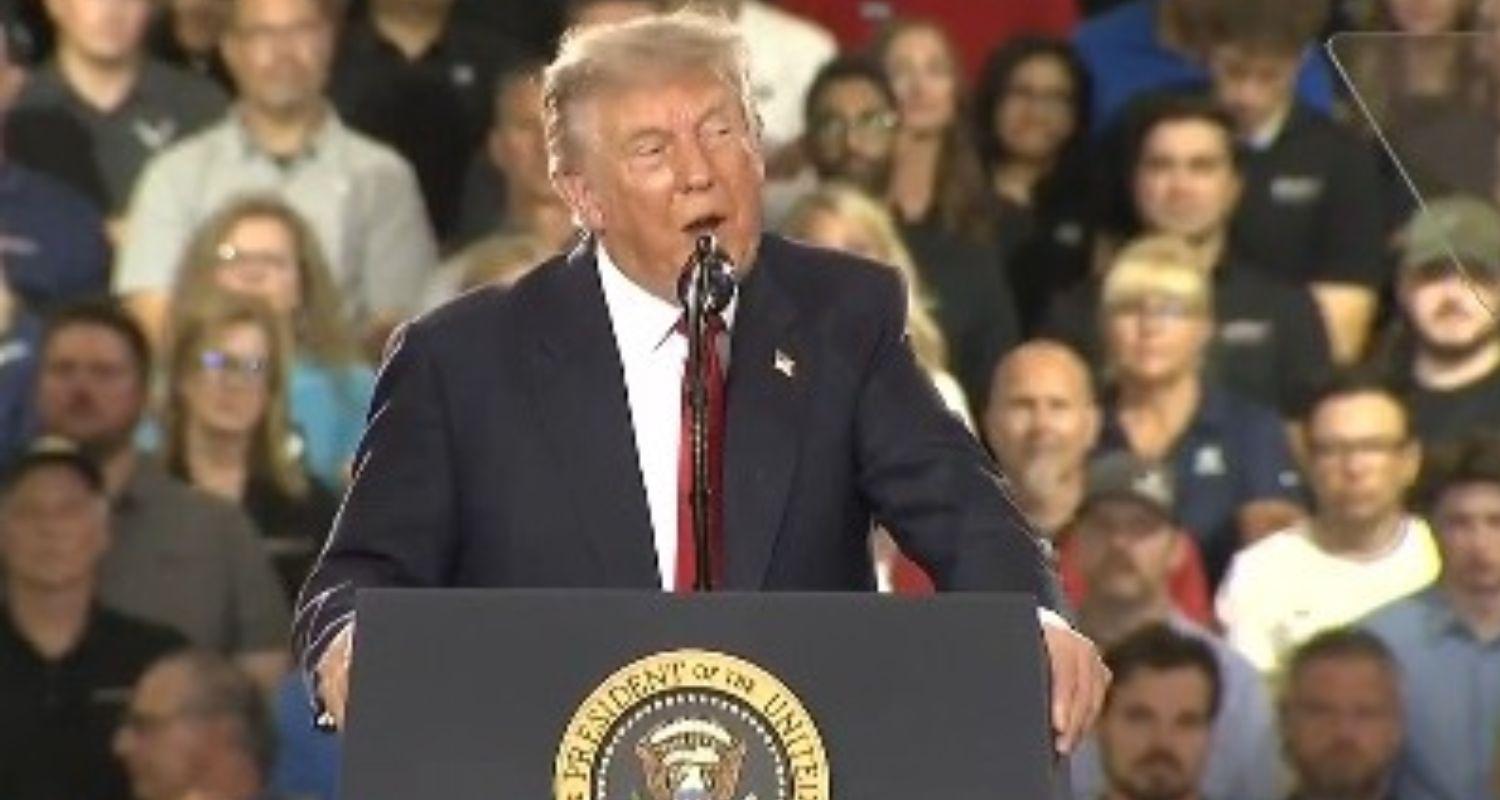
United States President Donald Trump said that Washington was engaged in "very friendly talks" with Tehran but added he won't continue negotiations for too long.
Tehran, on the other hand, has said that the US is struggling to find a way out of the war as a fragile peace between the two sides continues for a fourth day after recent two-week-long military exchanges.
While the strikes have paused to pave the way for negotiations, which would ultimately lead both sides to sign a full-fledged agreement.
The first and most important step is to make the two sides sit at the table, which mediators Oman and Pakistan have been trying to achieve throughout the latest military exchanges.
The US wants to make sure that the Strait of Hormuz is back open; however, Iran sees it as something that provides it with a great deal of leverage going into the next phase of talks.
Though with the latest armed confrontations, it is clear that the two sides, rather than seeking to escalate the situation, are now considering returning to negotiations.
Earlier this month, when Iran attacked a Cyprus-flagged vessel, President Trump declared the Islamabad Peace Accords to be over and announced the resumption of attacks.
For nearly two weeks, CENTCOM bombed Iran's port cities, missile sites, research facilities, and oil and energy facilities, including bridges.
Iran once again retaliated by launching attacks on US bases in Kuwait, Jordan, Qatar and Bahrain. While the US lost three of its service members, dozens were killed in Iran, including members of the IRGC and civilians.
Despite agreeing to pause all hostilities for 60 days, it took one isolated incident for them to return to the previous position.
Also read: Iran-US maintain peace, Strait of Hormuz and Red Sea affected

 Follow us