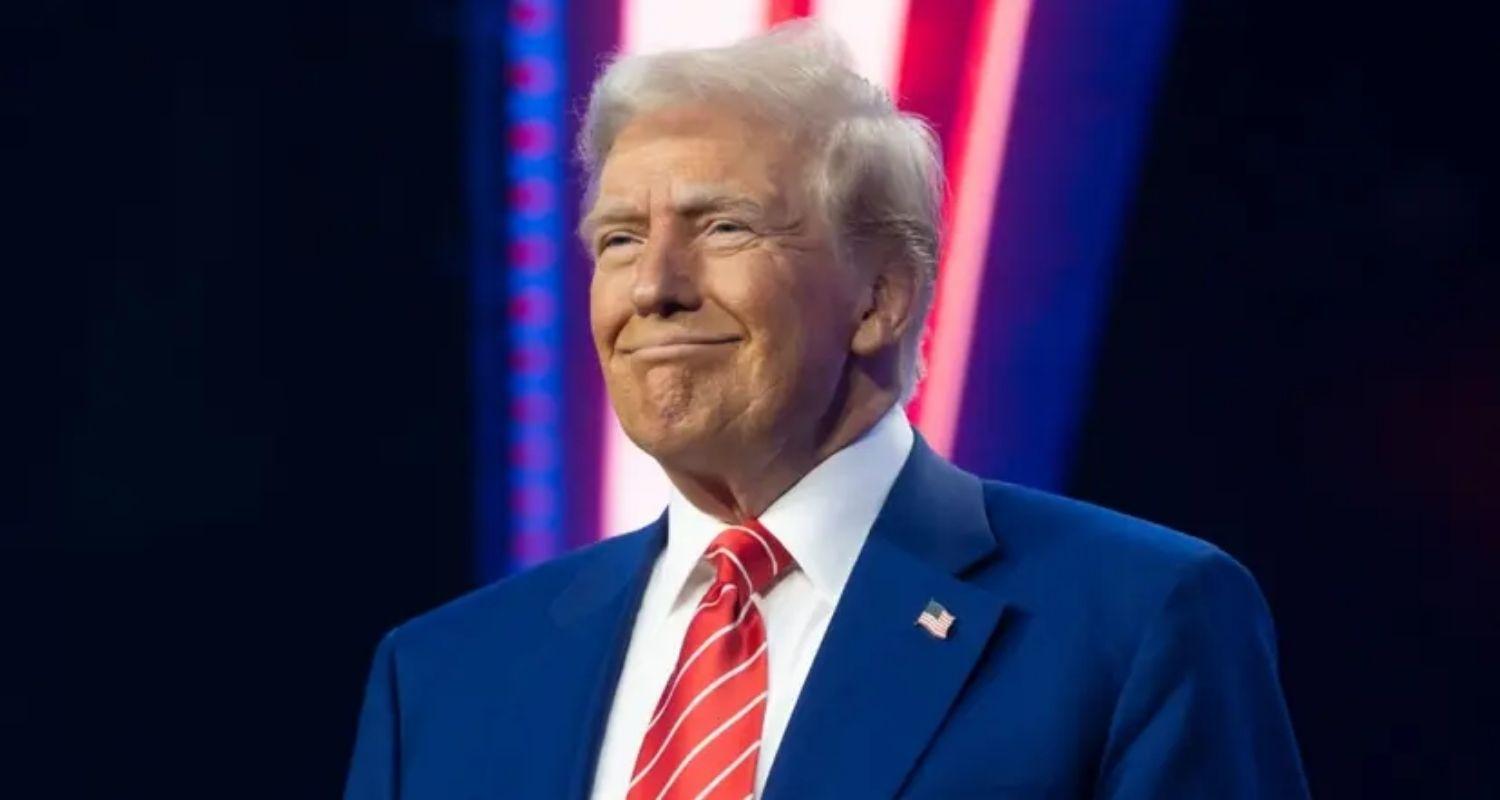
US President Donald Trump has rejected claims that Israel forced the United States to launch strikes on Iran. His remarks contradict earlier comments by US Secretary of State Marco Rubio, who had said Washington acted after learning that Israel was preparing to strike. Trump defended the attack, saying Iran was planning to attack first and that he might have actually pushed Israel to act against Tehran.
“I think they (Iran) were going to attack first, and I did not want that to happen. So if anything, I might have forced Israel’s hand,” Trump stated this while hosting German Chancellor Friedrich Merz at the Oval Office. Trump said the joint strikes carried out with Israel had largely destroyed Iran’s military capability.
“Just about everything has been knocked out,” Trump said, adding that Iran’s navy, air force and radar systems had all been taken out of operation. When asked about Iran’s future leadership, Trump said most of the people he had in mind were already dead.
The joint US-Israel strikes, called Operation Epic Fury, were launched after nuclear talks stalled and amid claims that Tehran had resumed its nuclear activities. Officials said Washington had received intelligence suggesting that the Islamic Republic was preparing to launch pre-emptive missiles or act simultaneously with any American move against Tehran.
The attacks hit several Iranian cities, including the capital, Tehran. More than 700 people were reported killed, including Iran’s Supreme Leader Ali Khamenei along with his daughter, son-in-law and granddaughter. Khamenei’s wife, Mansoureh Khojasteh Bagherzadeh, also died after succumbing to injuries she suffered during the strikes.
Hours after the attack, Iran launched missiles in retaliation. Several missiles struck areas across the Gulf region, including Dubai, Abu Dhabi, Qatar and Bahrain. Tensions in the Middle East escalated further as Iran vowed to avenge the killing of its supreme leader, while Trump warned that it was “too late” for Tehran to seek talks to avoid war. The conflict also triggered global economic concerns, as ships began avoiding the Strait of Hormuz, one of the world’s most critical shipping routes.
Drones and missiles also struck oil facilities and US embassies across the Gulf as Iran retaliated. At the same time, Israel pushed its troops deeper into Lebanon to fight the Tehran-backed group Hezbollah after it joined the conflict.
Khamenei, who ruled Iran for 36 years, had not officially named a successor. Reports suggested that Mojtaba Khamenei, the son of Ayatollah Khamenei, has been chosen as the next supreme leader of Iran. According to reports, Iran’s Assembly of Experts selected him as his father’s successor.
Also read: Rubio defends US-Israel strikes on Iran, calls regime ‘fanatic'

 Follow us