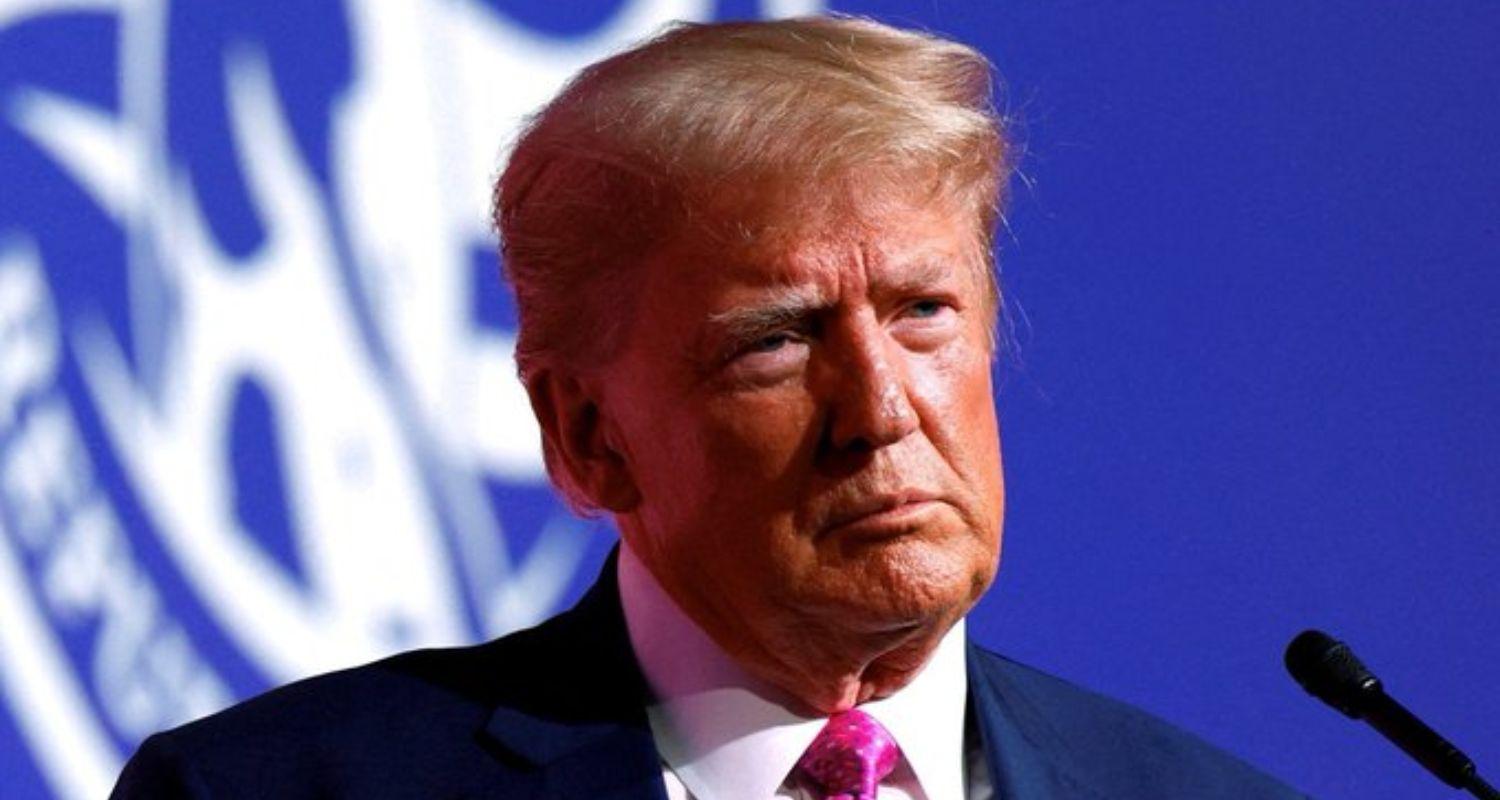
Despite reports of diplomatic gridlock and a five-hour delay that threatened to derail the summit in Islamabad, US President Donald Trump has confirmed that negotiations between the United States and Iran are finally underway.
Speaking about the commencement of the talks, Trump maintained a characteristic air of uncertainty. He admitted he had "no idea" how the discussions would ultimately unfold, noting that he intended to gauge Iran’s sincerity "in a very short period of time". While he struck an expectant tone regarding the reopening of the Strait of Hormuz, he also pointedly suggested that the world is already finding alternative oil routes, further diminishing Tehran's leverage. Labeling Iran a "failing nation," the President warned that should diplomacy collapse, the US is ready to "reset" its strategy— a thinly veiled signal that a far more aggressive stance is waiting in the wings.
The delay in proceedings was significant. The American delegation, spearheaded by Vice President JD Vance and Jared Kushner, remained in a diplomatic holding pattern for several hours after touching down in the Pakistani capital. This impasse was mainly attributed to a lack of trust on both sides along with a set of inflexible preconditions. It is important to mention that Iranian Foreign Minister Abbas Araghchi highlighted this point during a telephone conversation with his German counterpart, declaring that Iran did not have any trust left in the United States.
Before direct engagement began, Pakistan’s Prime Minister Shehbaz Sharif attempted to bridge the gap through shuttle diplomacy, meeting with Vance while his officials held separate discussions with Araghchi and Iranian Speaker Mohammad Bagher Ghalibaf.
Iran continued its hardliner approach by rejecting participation in the tripartite negotiations unless Israel ceased its military campaign against Lebanon. In addition, Iran called for the unfreezing of its financial assets, especially those in Qatar, while demanding a more comprehensive ceasefire agreement in the whole of the Middle East region. Nevertheless, the Trump administration continued to disregard these demands. Against the backdrop of the ongoing attacks in southern Lebanon and the specter of previous failed attempts, it becomes apparent that the road ahead is rife with challenges.
Also read: US did not agree to unfreeze Iranian assets, confirms White House

 Follow us