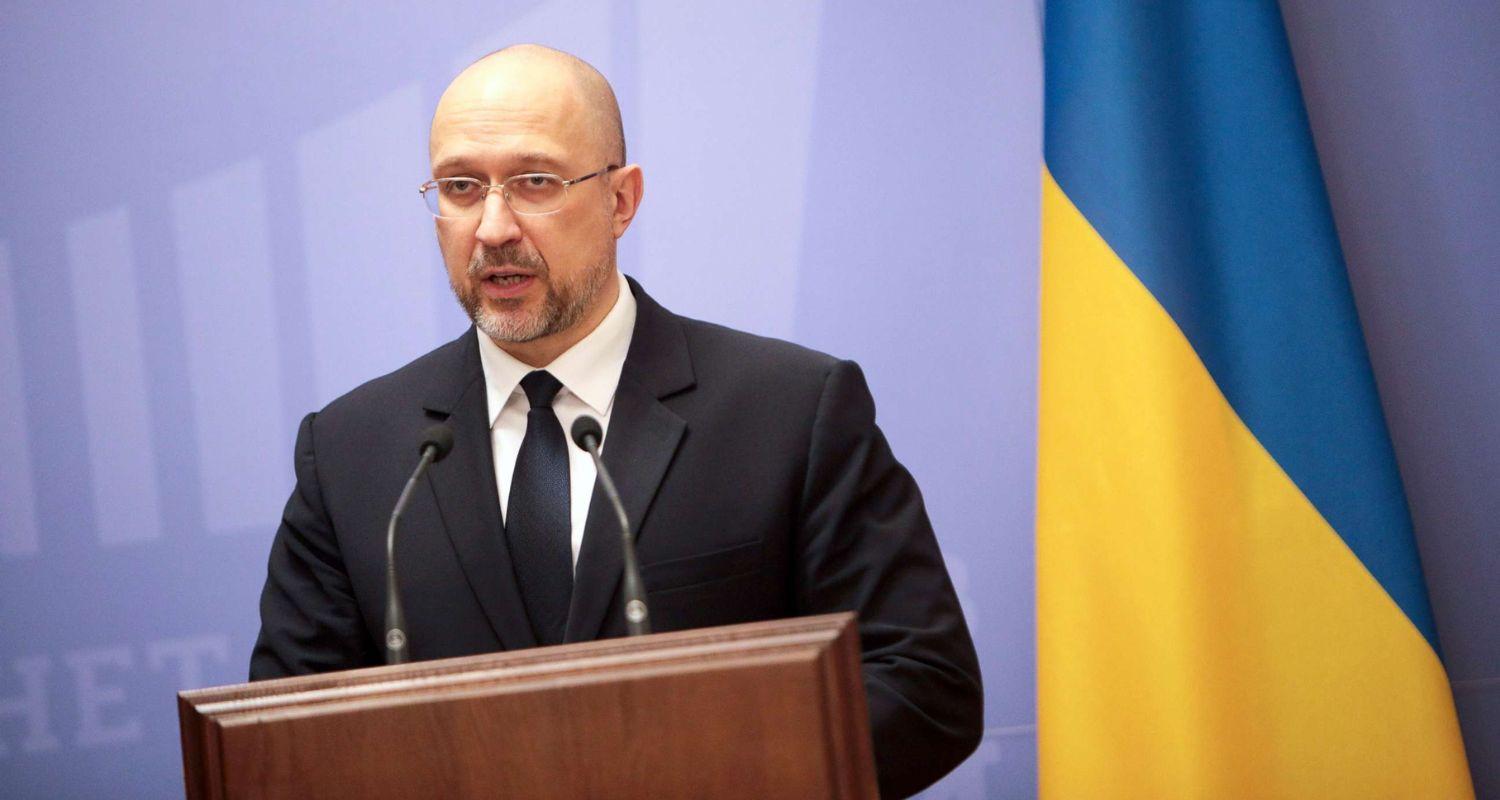
Ukrainian Prime Minister Denys Shmyhal has unveiled the government’s key priorities for 2025, focusing on defence, financial sustainability, energy, and societal rebuilding amidst the ongoing challenges posed by the Russia-Ukraine conflict.
Speaking through the cabinet’s press service, Shmyhal outlined the strategic goals aimed at strengthening Ukraine’s resilience and advancing its recovery.
A central focus remains on the development of the defence and security sector. Shmyhal emphasised the importance of enhancing the country’s long-range capabilities and missile programmes.
This year, Ukraine plans to produce a significant arsenal, including 30,000 long-range drones and approximately 3,000 cruise and drone missiles, to bolster its military capacity.
Financial sustainability is another critical aspect of Ukraine’s agenda. Shmyhal highlighted the nation’s reliance on international partnerships to secure much-needed financial aid.
Kyiv is particularly counting on a $50 billion fund backed by frozen Russian assets from the European Union and the Group of Seven nations. Additional support is anticipated from the International Monetary Fund, which will play a crucial role in stabilising Ukraine’s economy during these turbulent times.
Energy restoration and protection are also top priorities for the government. Shmyhal underlined the need to rebuild damaged energy infrastructure and ensure its security.
Efforts will also be directed towards distributed energy generation and enhancing the infrastructure required to import electricity from Europe. These initiatives aim to provide sustainable energy solutions to meet the country’s needs during and after the conflict.
Other areas of focus include social support, veterans’ welfare, and improvements in education and healthcare. The government is committed to assisting those affected by the war, supporting the reintegration of veterans, and ensuring access to essential services.
Shmyhal also stressed the importance of an adaptive economy and fostering business development to drive recovery. Digitalisation will continue to be a significant aspect of Ukraine’s transformation, as will its unwavering commitment to its European integration path.
The ongoing Russia-Ukraine war continues to shape these priorities. The conflict, which began in 2014 with Russia’s covert invasion of Crimea, escalated significantly in February 2022 when Russian forces launched a full-scale invasion.
Although Russia made initial advances, Ukrainian resistance successfully thwarted attempts to capture Kyiv and other major cities. The war has since evolved into a prolonged struggle, leaving behind widespread destruction and an enduring humanitarian crisis.



 Follow us