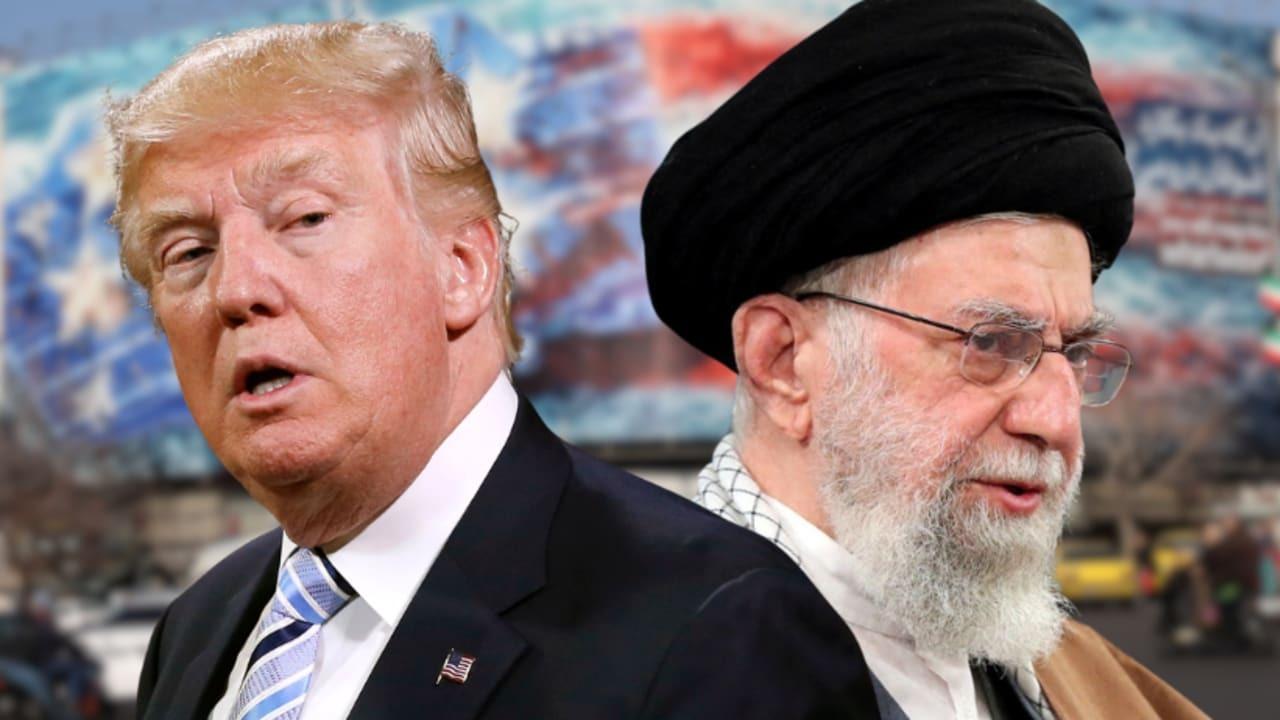
Iran and the United States opened indirect talks in Geneva on Thursday, reviving what many view as a last opportunity for diplomacy over Tehran’s nuclear programme. The negotiations come amid heightened military tensions, with Washington deploying additional aircraft and warships to the Middle East to force Iran into reaching an agreement.
US President Donald Trump has pushed for a deal that would significantly constrain Iran’s nuclear activities. He is seeking to capitalise on what he sees as a moment of vulnerability for Tehran, which has faced growing domestic dissent following nationwide protests last month.
Tensions escalated after Trump ordered strikes in June on three Iranian nuclear facilities during a 12-day conflict involving Iran and Israel. Despite damage to key sites, Tehran has insisted it intends to continue uranium enrichment. Iranian officials have warned that any further US attack would render American military bases across the region legitimate targets, raising the spectre of a broader regional war that could also draw in Israel.
“There would be no victory for anybody—it would be a devastating war,” Iranian Foreign Minister Abbas Araghchi said, before departing for Geneva. He cautioned that because US bases are spread across the region, any conflict could engulf multiple countries.
Also read: India’s Chabahar fund freeze ‘disappointing': Iran FM Araghchi
Araghchi is once again exchanging messages with Steve Witkoff, a real estate developer and longtime Trump associate serving as a special Middle East envoy. Previous rounds of talks between the two collapsed after Israel’s military action against Iran last June. As before, the negotiations are being mediated by Oman, which has historically acted as a discreet intermediary between Tehran and Western governments.
Upon arriving in Geneva, Araghchi met Omani Foreign Minister Badr al-Busaidi to review Iran’s proposals and the discussions focused on principles agreed upon in earlier negotiations. Al-Busaidi is expected to relay Iran’s position to US officials. He was also seen meeting with the head of the International Atomic Energy Agency, the United Nations’ nuclear watchdog, and expressed cautious optimism about the talks.
Images later released by Oman showed Witkoff and Jared Kushner, Trump’s son-in-law, meeting al-Busaidi at the Omani diplomatic residence in Geneva, signaling the formal start of discussions.
In this latest round, Washington is demanding that Iran halt uranium enrichment entirely, curb its ballistic missile programme and end support for regional militant groups. Tehran maintains that negotiations must remain limited to nuclear issues.
US Secretary of State Marco Rubio said Iran is not currently enriching uranium, but is attempting to rebuild elements of its nuclear infrastructure. While Tehran says enrichment has stopped since June, it has barred IAEA inspectors from visiting bombed facilities. Satellite imagery indicated activity at two of the damaged sites, suggesting efforts to assess or recover materials.
Western governments and the IAEA maintain that Iran had an organised nuclear weapons programme until 2003. Before the June strikes, Iran was enriching uranium up to 60 per cent purity—close to the 90 per cent threshold required for weapons-grade material.
US intelligence agencies assess that Iran has not restarted a weapons programme, but has taken steps that would position it to produce a nuclear device if it chose to do so. Iranian officials, while insisting their programme is peaceful, have in recent years threatened to pursue nuclear weapons.

 Follow us