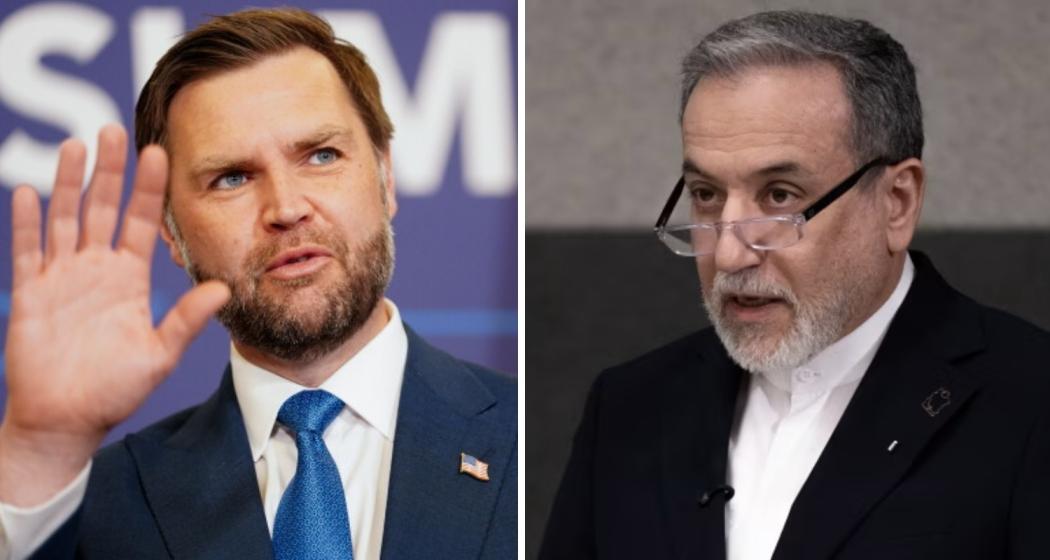
Talks between the United States and Iran have begun in Switzerland with Qatar and Pakistan acting as mediators, Qatar’s Foreign Ministry said on Sunday, describing the negotiations as part of a broader effort to reach a comprehensive and lasting agreement.
In a statement, the ministry said it hopes the discussions will lead to a “comprehensive and permanent agreement addressing all aspects covered in the Memorandum of Understanding”, adding that technical and expert groups have been formed to negotiate the final terms.
It said follow-up mechanisms have also been established to monitor implementation, track progress, and support efforts to conclude a final agreement.
“The current progress reflects the commitment of all parties to moving forward in the negotiation process in good faith, with the aim of reaching a comprehensive and sustainable agreement,” the ministry said.
Qatar further stated that it will continue its mediation efforts alongside Pakistan and other stakeholders to create a conducive environment for dialogue, stressing that diplomacy remains the preferred path to resolve conflicts.
Also read: US-Iran peace talks on track, claims JC Vance
The announcement comes as high-level delegations from the US and Iran arrived at the Burgenstock resort for technical-level talks held under a 14-point Memorandum of Understanding (MoU) finalised on June 17 between US President Donald Trump and Iranian President Masoud Pezeshkian.
The MoU reportedly sets a 60-day framework for negotiators to resolve key disputes and work towards stabilising relations in West Asia.
US Vice President JD Vance arrived in Switzerland earlier on Sunday, joining negotiators including Steve Witkoff and Jared Kushner. The Iranian delegation is also present, led by Foreign Minister Abbas Araghchi and parliamentary speaker Mohammad Bagher Ghalibaf, along with officials from the central bank and oil ministry.
The talks had been delayed earlier due to regional tensions following exchanges of fire involving Israel and Lebanon, which disrupted the diplomatic timeline.
A key focus of the negotiations is expected to be the security of global energy routes, including the Strait of Hormuz, through which nearly 20 per cent of global oil supply passes under normal conditions.
While Iran recently claimed the waterway had been shut following regional strikes, the United States maintained that it remains open, underscoring the continuing uncertainty surrounding one of the world’s most critical maritime corridors.

 Follow us