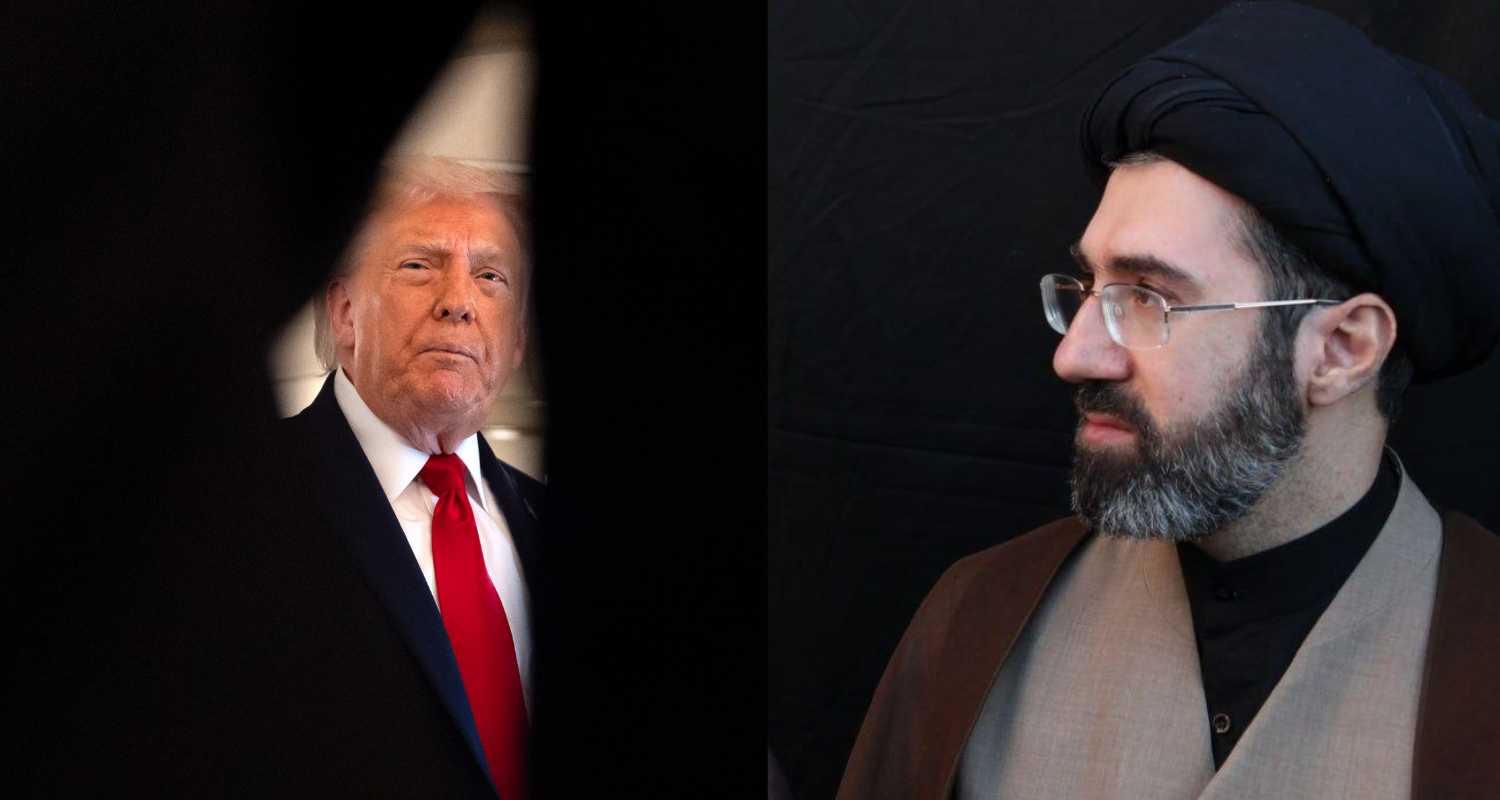
The US-Iran war that started on February 28, with Israel launching airstrikes on Iran to dismantle its nuclear programme, has now completed 100 days. With fighting, ceasefire negotiations, and repeated skirmishes continuing on both sides, the conflict remains overwhelmingly unpopular among the US public, making it a significant political liability for President Donald Trump and his Republican Party.
The war failed to gain traction in the United States even before it began, with a majority of Americans opposing military action against Iran.
Despite its unpopularity, Trump administration’s decision to engage in the conflict has not gained support at home, putting the president’s legacy at risk ahead of the important midterm elections likely to take place in November this year. The weakening support for the Iran war is eroding Donald Trump’s base, which Democrats are desperately trying to capitalise on during the election.
According to recent polls conducted by universities and news outlets, only 16 to 22 per cent of US voters think the US has won or is winning the war. The findings contradict President Donald Trump’s repeated claims that the US is winning the war in Iran.
The survey also found that a majority of voters, including 33 per cent of Republicans, say the war has had more negative than positive effects on US interests. In comparison, only 12 per cent of respondents, including 25 per cent of Republicans, said the war’s impact has been more positive than negative.
While a ceasefire and negotiations are taking place with mediation from Pakistan and Qatar, both sides have engaged in repeated but limited clashes in the Strait of Hormuz.
Trump’s miscalculation over the Iran war and the Strait of Hormuz has cost Asian economies trillions of dollars in combined losses.
While statements from both sides over a possible ceasefire keep coming, nothing has been finalised yet. The uncertainty is fuelling economic instability in Asian countries, especially India, Japan, South Korea, and Taiwan.

 Follow us