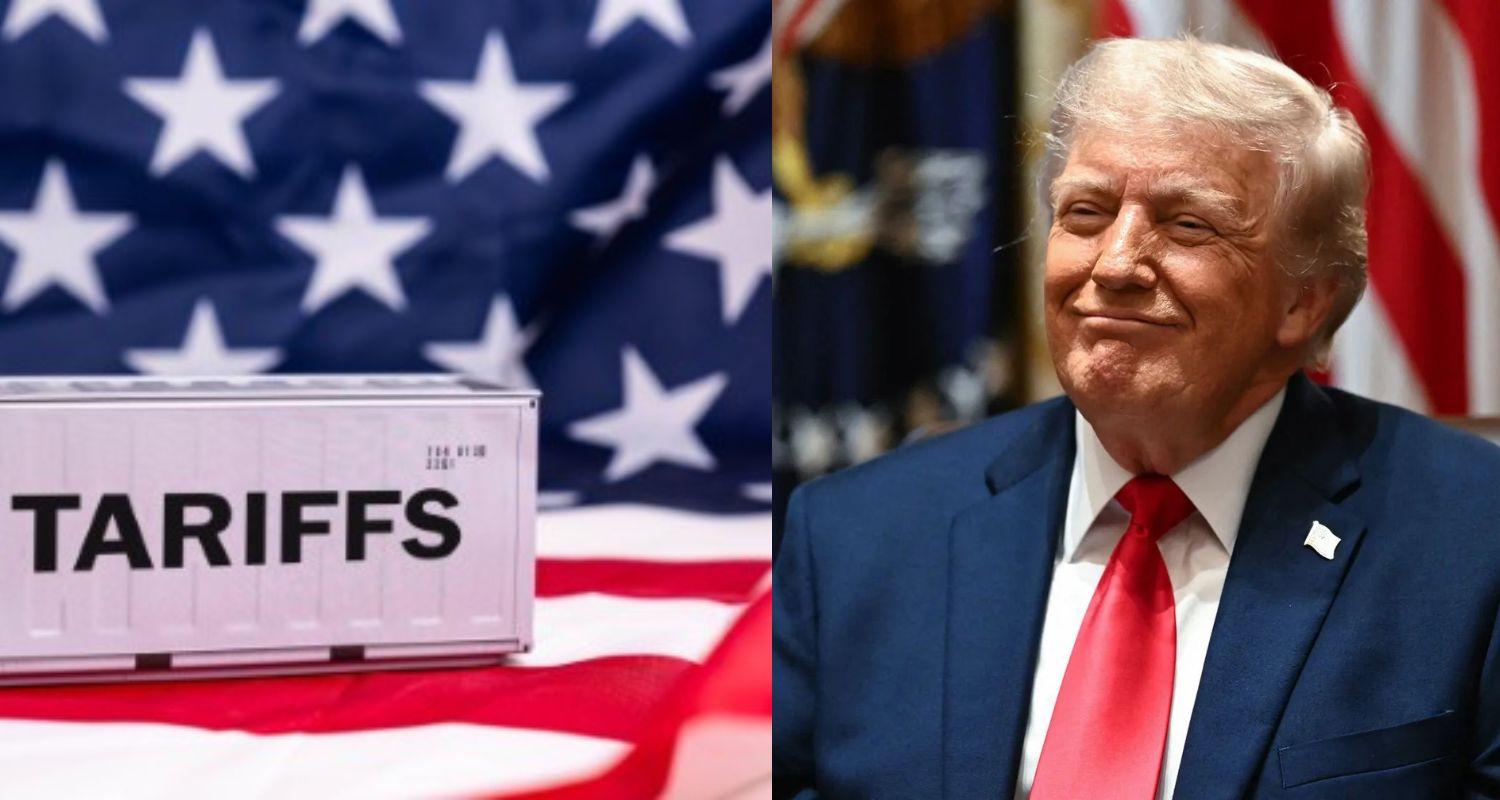
India and China are among 60 economies that could face fresh tariffs from the United States after Washington proposed duties of up to 12.5 per cent on imports linked to countries it says have failed to adequately address forced labour concerns. The proposed action, announced by the Office of the United States Trade Representative (USTR), comes under Section 301 of the US Trade Act of 1974, the same law used to impose heavy tariffs on Chinese imports during Donald Trump's first presidential term. While the move is still under review and no final decision has been made, its implementation would affect a wide range of goods entering the United States, adding another layer of volatility to global trade.
The USTR has proposed additional tariffs on imports from 60 economies, a list that includes major trading partners such as Japan, South Korea, the United Kingdom, and several Southeast Asian nations alongside India and China. According to American trade officials, the affected economies have either failed to restrict goods made using forced labour or have failed to effectively enforce their existing regulations. Under the specific terms of the proposal, countries that have adopted a full or partial prohibition on forced labour-linked imports could face a 10 per cent tariff, whilst those without such prohibitions in place could face the higher 12.5 per cent levy.
US Trade Representative Jamieson Greer stated that the failure of major trading partners to address imports linked to forced labour has created an uneven playing field for American workers. He described the lack of action from key global partners as unacceptable. According to the USTR findings, India and China were among 54 economies determined to have failed on both fronts, lacking both a legal prohibition and effective enforcement mechanisms against goods linked to forced labour. In its specific assessment of India, the USTR concluded that the country's policies and practices ultimately burden and restrict US commerce.
The core argument from Washington is that goods produced using forced labour enter global supply chains at lower costs, creating unfair competition for businesses and workers in nations that enforce stricter labour standards. China was included in the most severe category despite already facing significant US scrutiny under several existing trade and labour-related measures. Section 301 allows the US government to investigate foreign trade practices and impose retaliatory measures if it determines those practices are unfair or harmful to American interests.
The latest investigations were launched on March 12, 2026, covering economies that collectively account for roughly 99.4 per cent of total US imports. The inquiry examined whether foreign governments had failed to prohibit or effectively restrict imports of goods produced wholly or partly using forced labour. Apart from India and China, the list spans the European Union, Vietnam, Bangladesh, Thailand, Canada, Mexico, and several Gulf economies. The USTR noted that six economies, including Canada, Mexico, Pakistan, Indonesia, Ecuador, and the European Union, already have legal prohibitions in place but were found to be ineffective in enforcing them.
The proposal is not yet final, and the USTR has indicated that the recommendations will undergo further review and consultation before any tariffs are formally implemented. The proposal also includes a separate mechanism for textile and apparel imports, under which limited volumes of certain products could enter the United States at lower tariff rates, though details on which nations might qualify have not yet been disclosed. This development comes as Washington continues to expand its trade enforcement measures linked to labour standards and supply chain transparency. Having already implemented strict measures like the Uyghur Forced Labor Prevention Act, these proposed Section 301 tariffs signal that labour standards are becoming a central pillar of US trade policy, carrying significant implications for global exporters if the measures come into force.
Also read: Trump says Israel, Hezbollah at peace: Global shares gain

 Follow us