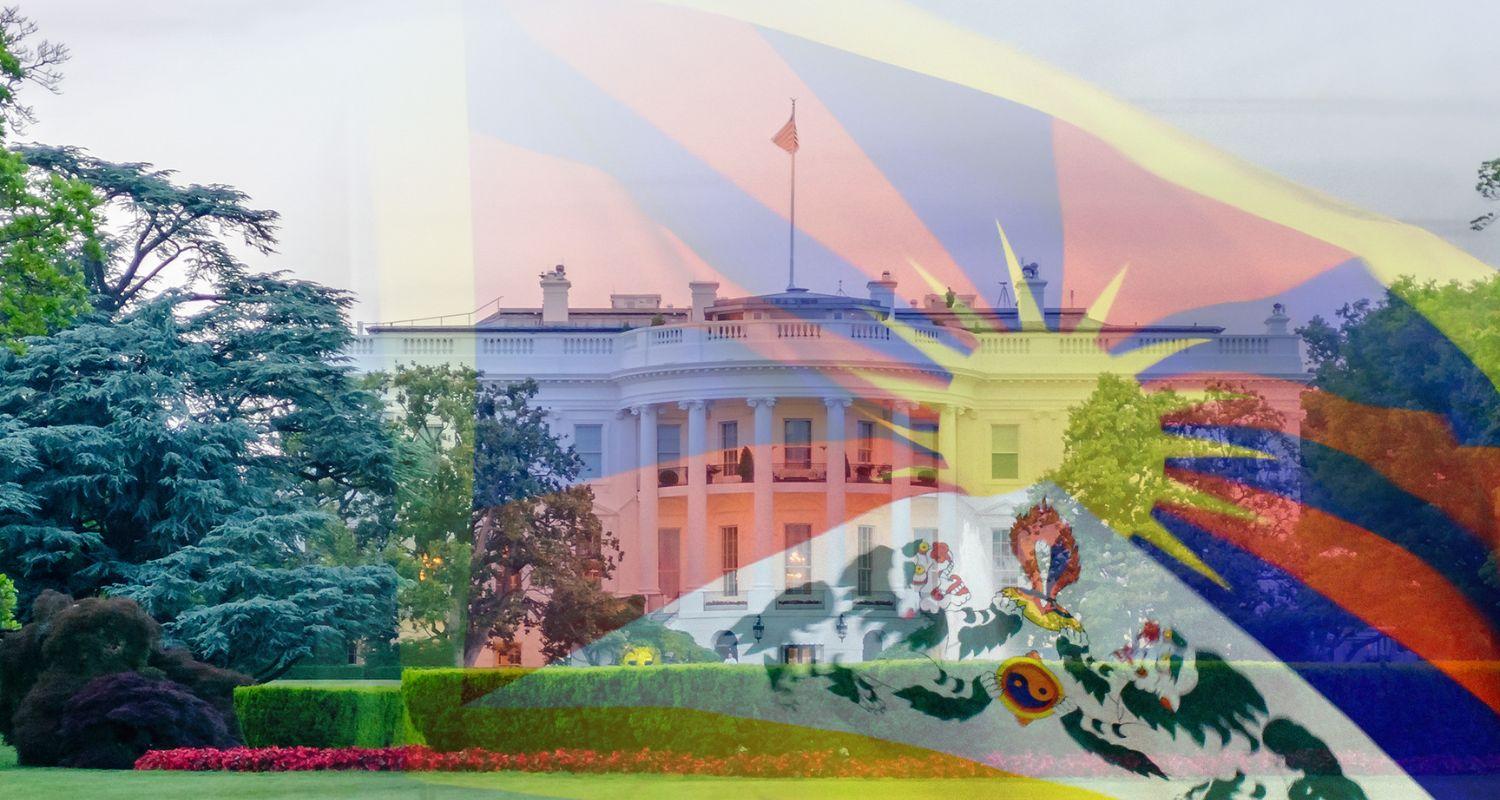
The US Senate has introduced the Assuring the Future of Tibet Act of 2026 (AFTA), a bipartisan measure aimed at strengthening Washington's long-term engagement with the Tibetan people and enhancing the international standing of their democratically elected leadership, according to a report by Phayul.
The legislation was introduced by Senators Jeff Merkley, a Democrat from Oregon, and Jim Risch, a Republican from Idaho. Senators Tim Kaine, Todd Young, Jacky Rosen and Rick Scott joined as original co-sponsors, giving the measure support from both sides of the political aisle.
The Senate bill is the companion legislation to H.R. 8982, which was introduced in the House of Representatives in May by Representatives Jim McGovern and Michael McCaul, according to the Phayul report.
The proposed legislation seeks to establish a long-term and institutional framework for US policy towards Tibet by making engagement with the Tibetan people and their democratically elected leadership a continuing priority. It places particular emphasis on the Central Tibetan Administration (CTA) as an institution representing the Tibetan people and on preserving its role in discussions concerning the future of Tibet.
According to Phayul, AFTA would establish as US policy direct engagement with the Tibetan people through their democratically elected leaders, as well as through their religious and cultural representatives. The legislation would also reaffirm Washington's support for the fundamental and universal human rights of the Tibetan people under international law, including their right to self-determination.
Another significant provision of the proposed legislation is its identification of the resolution of the dispute between Tibet and China as a matter of strategic interest to the United States. This approach would broaden the issue beyond the traditional framework of human rights and place greater emphasis on its geopolitical and strategic implications, the report said.
The bill also contains provisions concerning the future of Tibetan leadership and governance. A major element would recognise the Central Tibetan Administration as representing continuity in the governance of the Tibetan people.
Phayul reported that the legislation seeks to ensure that US policy towards Tibet remains sustainable beyond the tenure of His Holiness the 14th Dalai Lama, the spiritual leader of Tibetans in exile. It places greater emphasis on the democratic institutions developed among Tibetans in exile and their elected leadership as an important component of the future relationship between Washington and the Tibetan community.
The proposed legislation would also direct the US government to support the CTA's efforts to obtain observer status within the United Nations system and other relevant international organisations and groupings, according to the report.
Also read: Militants blow up gas pipeline in Balochistan
AFTA further outlines a more institutionalised approach to US engagement with the CTA. Under the proposed legislation, the US government would be directed to provide appropriate senior-level engagement and diplomatic courtesies to CTA officials. These measures could potentially include diplomatic security, privileges and immunities.
The bill therefore seeks not merely to continue existing US support for Tibet but to provide that engagement with a stronger institutional foundation. By deepening Washington's relationship with the CTA and supporting its participation in international forums, the legislation could enhance the administration's diplomatic visibility and reinforce its position as a representative institution of the Tibetan people.
The introduction of the measure in the Senate gives the legislation bipartisan backing in both chambers of Congress. It also builds on a series of US laws adopted over the past decade concerning Tibet, including the Reciprocal Access to Tibet Act, the Tibetan Policy and Support Act and the Resolve Tibet Act, Phayul reported.
If advanced, the legislation could further shape the United States' long-term approach to Tibet and its engagement with Tibetan democratic institutions.

 Follow us