One month after the outbreak of hostilities between the United States, backed by Israel, and Iran, the conflict showed no signs of abating on Saturday. Fresh exchanges of missiles, drones and air strikes across the region signalled the precarious balance, with civilian casualties mounting and oil supply routes remaining under strain.
Iranian forces claimed significant blows against American personnel, while proxy actors such as Yemen’s Houthis entered the fray directly for the first time. Diplomatic efforts continued in parallel, even as oil prices hovered at elevated levels amid disruptions in the Strait of Hormuz.
Houthis fire first missiles at Israel
In a significant escalation, Yemen’s Houthi rebels confirmed they had launched a barrage of missiles towards Israel early on Saturday. The move marked the group’s first direct attack on the Jewish state since the wider Iran-US war began. Israeli officials said the projectiles were intercepted, but the development raised fears of a broader regional conflagration drawing in additional Iranian-backed militias.
Iran claims heavy US casualties in Dubai
Tehran’s armed forces asserted they had targeted “hideouts” used by US personnel in the Dubai area, inflicting “very heavy losses” on more than 500 American troops. Iranian state media described the operation as a precise retaliation against American bases supporting strikes on Iranian territory. US officials have not yet commented publicly on the claims, though earlier reports indicated at least 15 American service members were wounded — five seriously, in a separate Iranian strike on Prince Sultan Air Base in Saudi Arabia.
Civilian deaths in Iran after US-Israeli strike
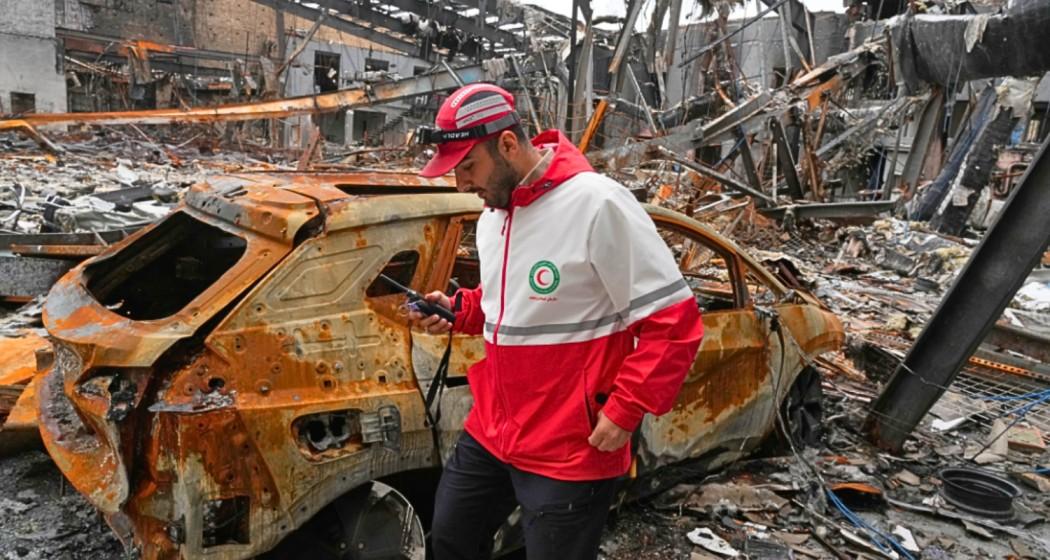
At least six people were killed and 15 injured when a US-Israeli drone strike hit a residential area in Najafabad village, Qazvin province, late on Saturday evening. Iranian officials condemned the attack as a deliberate targeting of civilians, while local media showed images of damaged homes and emergency services at the scene. The strike came amid continued US-Israeli operations against Iranian military and nuclear-related sites.
UAE intercepts barrage of Iranian missiles and drones
United Arab Emirates air defences successfully engaged 20 ballistic missiles and 37 unmanned aerial vehicles launched towards its territory. The intercepts, reported in the early hours, highlighted the growing involvement of Gulf states in defensive operations against Iranian retaliation. No casualties were reported in the UAE, but the incident added to the tally of daily aerial confrontations.
Breakthrough on Strait of Hormuz as more tankers sail
Maritime traffic through the vital oil chokepoint saw cautious progress. Two additional India-flagged LPG carriers, BW Tyr and BW Elm, began transiting the Strait of Hormuz as part of six permitted safe passages negotiated amid the conflict. Thailand also secured a separate agreement with Tehran allowing its oil tankers safe passage. Kuwaiti crude was trading at $118.93 a barrel, reflecting sustained pressure on global energy markets.
Trump engages Gulf leaders
US President Donald Trump commented on his relationship with the Saudi Crown Prince, stating the royal “didn’t think he’d be kissing my a**” at the outset of the conflict. In New Delhi, Prime Minister Narendra Modi held talks with the same Saudi leader, reiterating India’s condemnation of attacks on regional energy infrastructure and calling for de-escalation.
After 28 days of fighting, the war has produced no decisive territorial shifts but has exacted a mounting human and economic cost. Iranian nuclear and industrial facilities have been hit repeatedly, while proxy attacks and retaliatory strikes have spread instability from the Persian Gulf to the Red Sea.
With oil prices elevated and shipping lanes partially reopened only under tight security, both sides appear locked in a war of attrition. Diplomatic channels remain open, yet Saturday’s developments suggested the path to any ceasefire remains long and uncertain.

 Follow us