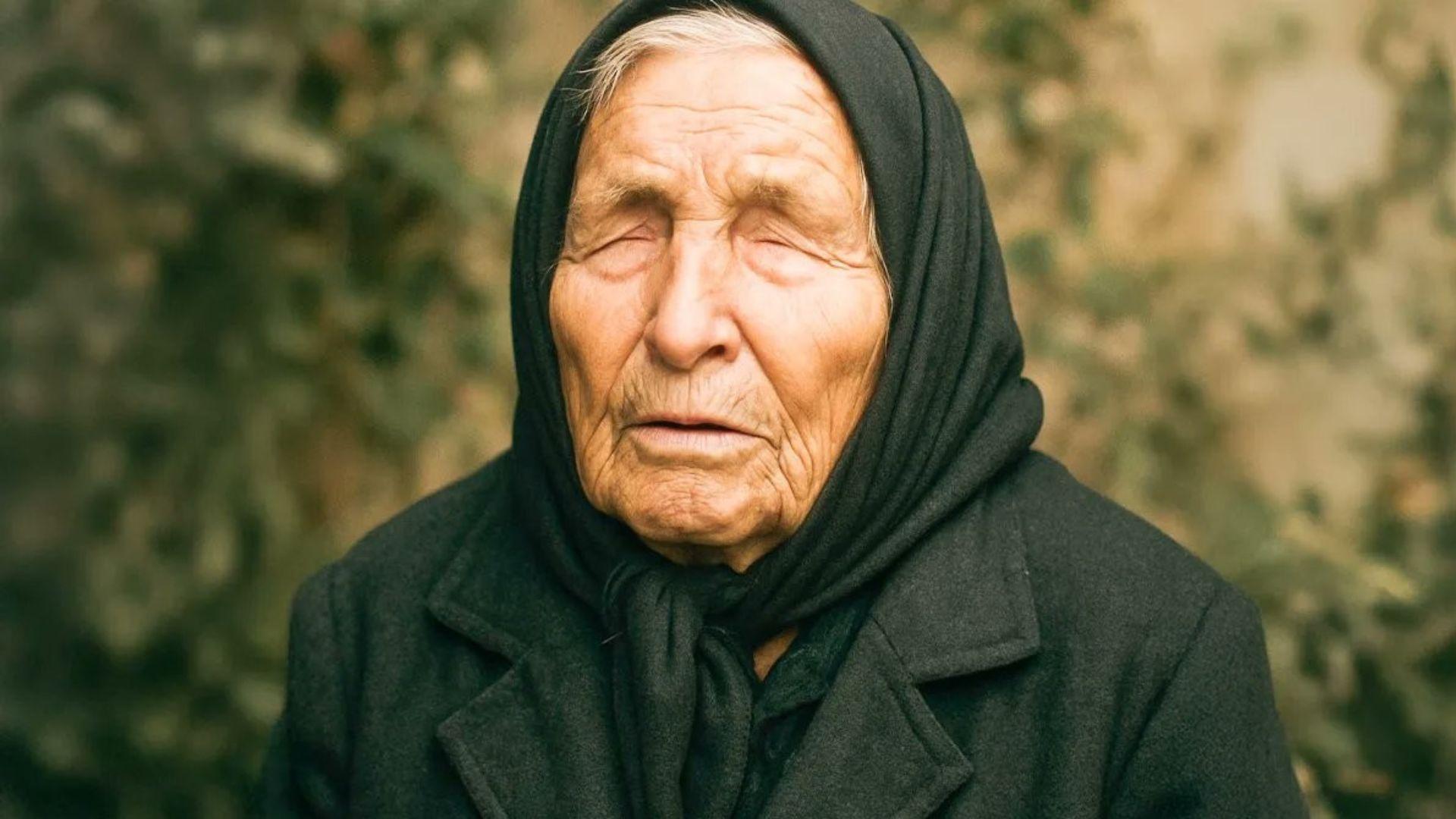
The year 2026 has started with a wave of doomsday predictions. Memes joke, "Duniya shesh, sab khatam, tata, bye bye." But beyond the humour, many people are sharing prophecies from famous mystics and oracles — especially Baba Vanga — claiming the world will end this year. Some warn of World War III, others predict huge natural disasters like those in the Bible, or even an alien spaceship entering Earth's atmosphere. In a strange way, we're beginning the year surrounded by talk of the end.
This sudden rise in 2026 doomsday fears isn't coming from one trusted expert. It's a viral mix of old recycled prophecies, wrongly understood science from the past, and our shared worry about real problems happening right now. There are serious conflict zones around the world, like the Russia-Ukraine area, the Middle East, and the South China Sea.
The Economist's special issue, The World Ahead 2026, shows a year full of war, unrest, and chaos on its cover. Experts are also warning about possible big problems in financial markets this year.
So why are doomsday prophecies so popular right now? Why do they spread so quickly? And is the world really going to end in 2026?

Baba Vanga, Athos Salomé, and the Doomsday Trend
Baba Vanga (full name Vangeliya Pandeva Gushterova), the blind Bulgarian mystic who died in 1996, is the biggest name behind these fears. Many national and international news outlets report that her followers and interpreters link dramatic events to 2026.
These include the possible start of World War III, with major powers like Russia, the US, China, and Europe getting deeply involved in growing conflicts. They also mention huge natural disasters — devastating earthquakes, volcanic eruptions, extreme weather, floods, and hurricanes — that could affect 7–8 per cent of the planet's land. Some say there will be first contact with extraterrestrials, including a massive alien ship entering Earth's atmosphere (possibly in November). Other claims involve rapid advances in AI taking over, economic problems, and a shift in global power toward Asia or China.
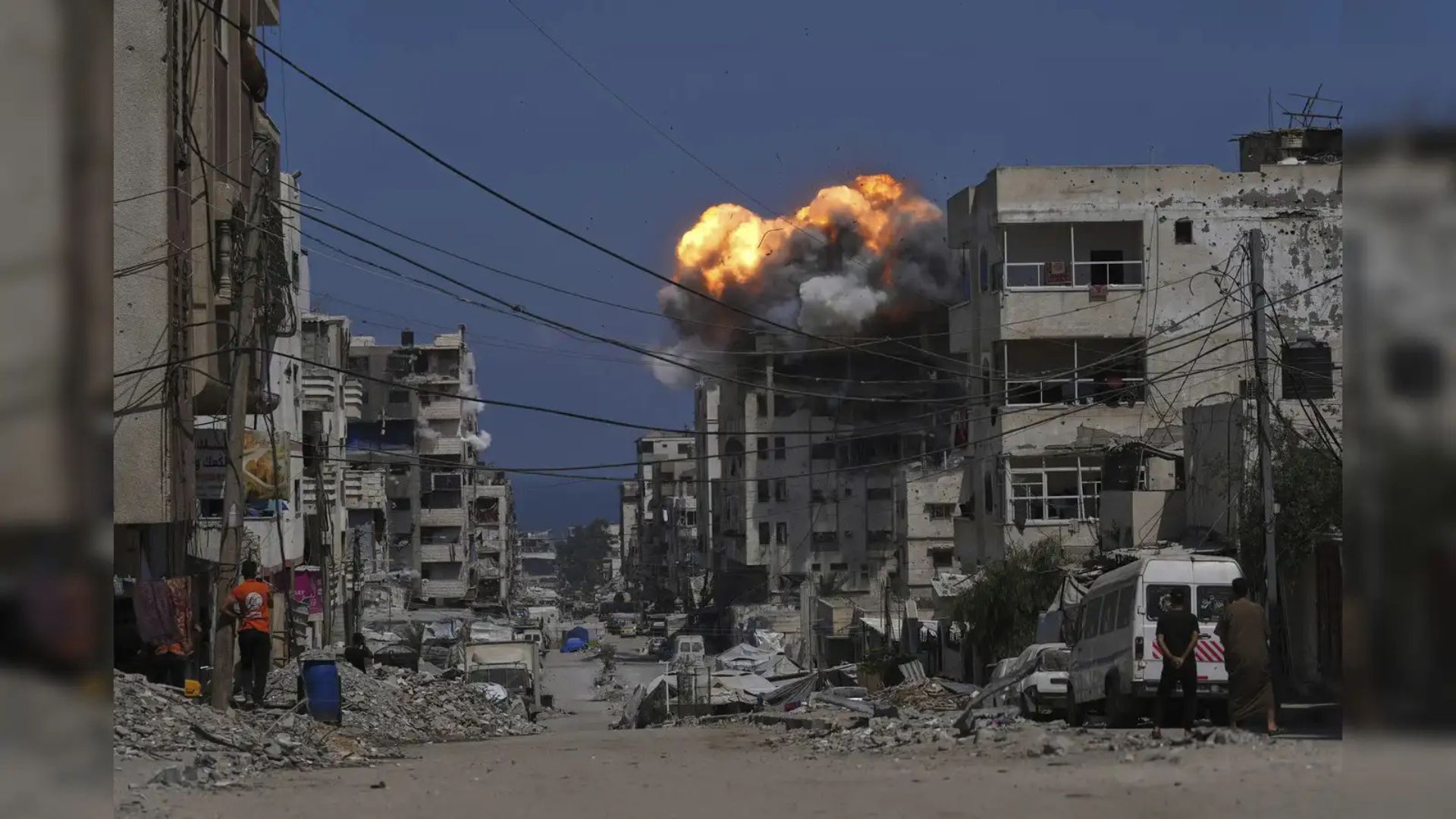
It's not only Baba Vanga. Others are adding to the fear. Interpretations of Nostradamus' old poems talk about "rivers of blood," plagues, and tyrants connected to 2026. Pakistani spiritual leader Riaz Ahmed Gohar Shahi, who disappeared mysteriously in 2003, spoke of a fiery comet hitting Earth this year. Brazil’s "Living Nostradamus," Athos Salomé, predicted in 2024 that global war, cyber conflicts, and AI dominance are coming soon. Meanwhile, Ghanaian prophet Ebo Noah's earlier failed flood prophecy — where he built arks in Ghana — led to his arrest after he reportedly bought a new Mercedes-Benz, not salvation.
That said, Baba Vanga's real "doomsday" date is much farther away. She reportedly predicted the end of the world (or "absolute doomsday" from a cosmic event) in 5079, with humanity slowly declining before that. There are no official written records of her prophecies — they were shared orally and later interpreted by others. So much of what's going viral today comes from second-hand stories, books, and social media twists. Her vague visions are often matched to current news, just like Nostradamus's poems, and experts point out the lack of real primary sources.
Also Read: US to blame for violent Iran protests: Iranian ambassador to UN
Why Do Doomsday Prophecies Spread So Fast?
Doomsday ideas go viral on social media because they create strong feelings like fear and uncertainty. These emotions get more shares, likes, and comments than calm content. The platforms' algorithms push exciting, urgent stories like apocalypse predictions because they keep people watching and interacting longer.
Research in the Journal of Personality and Social Psychology shows that high shares and likes act as "social proof," making dangers feel more real and causing bigger waves of panic and anger. This leads to fast spreading, especially when real crises are already happening.
Many of these predictions also seem to match current events. Warnings of global war and AI taking over get huge attention because news is full of conflicts (like in Ukraine), recent events like the US actions in Venezuela, and fast progress in AI technology.

Also Read: Fighting resumes in Aleppo hours after ceasefire
So, Is 2026 Really the End?
Will the world truly end in 2026? Almost certainly not. History is full of failed doomsdays. Y2K (the year 2000) made people fear computers would crash worldwide, causing chaos in banks, power, planes, and more. Nothing major happened.
In 2012, many said the world would end on December 21 because the ancient Maya calendar finished its big cycle. It turned out the Maya just didn't add more cycles — they were busy dealing with Spanish colonizers. In every case, people adapted, invented solutions, and kept going.
While 2026 could bring real challenges — rising geopolitical conflicts, natural disasters, and fast AI growth — the idea of a total "end" is very unlikely. The only doomsday likely this year is Avengers: Doomsday, the Marvel movie set for worldwide release on December 18, 2026.
In the end, reality is much more normal: another year of humans dealing with uncertainty through strength and smart choices. Instead of getting ready for disaster, it's better to stay skeptical, look for real facts, and face global changes with careful hope. Say "tata bye bye" to 2025, not to the world — because despite its problems, the world is staying around. The fears and uncertainty around us are driving these doomsday stories, and social media spreads them fast. Though 2026 might have chaos and conflict, it won't — for any real reason — be humanity's last year on Earth.
Also Read: Protests surge in Iran amid internet clampdown; death toll rises

 Follow us