Winter snacking does not have to be limited to pakoras, samosas or chaat. A roasted sweet potato with lemon and chaat masala can be a simple, affordable alternative. Nutrition and lifestyle coach Luke Coutinho has highlighted this combination as a suitable seasonal food, drawing attention to the nutritional value of the familiar shakarkandi.
Sweet potatoes contain dietary fibre, beta-carotene, potassium and several vitamins. They are filling, easy to prepare and naturally sweet, whether roasted by a street vendor or cooked at home.
1. Supports immune function
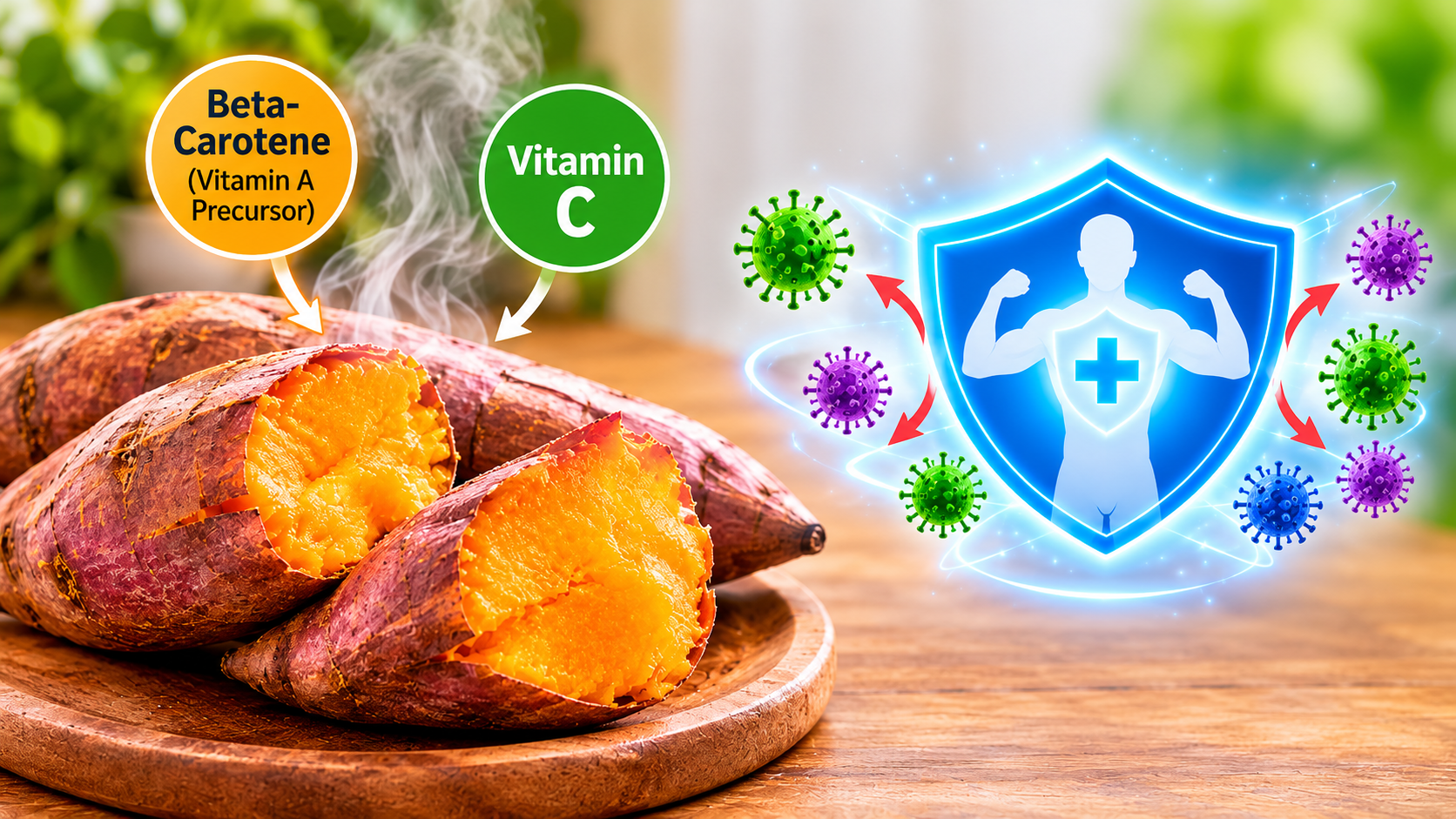
Beta-carotene in sweet potatoes is converted by the body into vitamin A. This nutrient helps maintain the skin and tissues that form part of the body’s defence against infections. The vegetable also provides vitamin C, which supports normal immune function.
No single food can prevent illness, but including nutrient-rich vegetables in a regular diet can contribute to overall nutritional balance.
2. Provides nutrients important for eye health
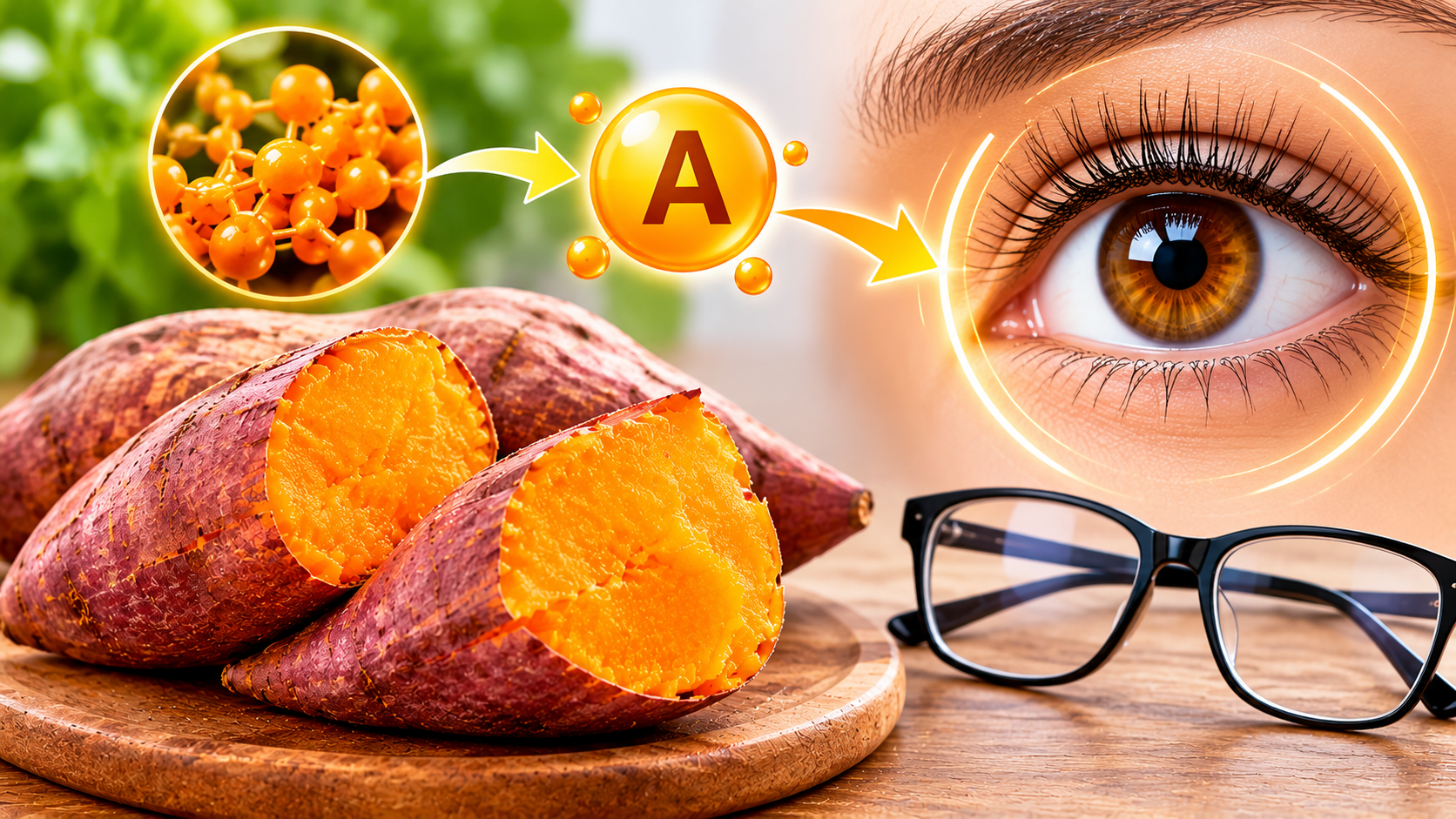
The orange colour of many sweet potatoes comes from beta-carotene. After conversion into vitamin A, it supports normal vision, particularly in low-light conditions, and helps maintain the cornea and other eye tissues.
3. May improve fibre intake

For people whose winter diet includes more fried and low-fibre foods, sweet potatoes can provide a useful dietary change. Their fibre content supports digestion and bowel regularity, while also helping beneficial gut bacteria maintain a healthy gut environment.
Eating the vegetable with its skin, after washing it thoroughly, can increase fibre intake further.
4. Helps control between-meal hunger

Sweet potatoes can be a satisfying snack for those who often reach for biscuits, chips or other packaged foods. Fibre may help prolong the feeling of fullness, while the vegetable’s natural sweetness can address a craving without adding sugar.
Roasted shakarkandi with lemon and spices is a relatively simple option, although portion size remains important.
5. Contains potassium and other beneficial compounds

Potassium helps regulate blood pressure and supports normal muscle and nerve function. It also helps balance the effects of sodium in the body. Along with fibre, this makes sweet potatoes a useful part of a balanced diet that supports cardiovascular health, though they are not a replacement for medical treatment.
Sweet potatoes also contain plant compounds that help protect cells from oxidative stress. Purple varieties are particularly rich in anthocyanins, the pigments responsible for their colour. These compounds are being studied for their antioxidant and anti-inflammatory properties.
Orange, purple and other varieties contain somewhat different plant compounds, making variety in vegetable choices beneficial.
6. A complex carbohydrate that still requires portion control

Sweet potatoes provide complex carbohydrates for everyday energy and contain more fibre than many refined, low-fibre snacks. However, they remain a carbohydrate-rich food and can affect blood sugar levels.
People with diabetes or those monitoring their blood glucose should consider portion size, cooking method and the foods eaten alongside sweet potatoes rather than treating shakarkandi as a food with no limits.

 Follow us