
Trending:
How ants invade home, even in high-rise buildings
Discover why ants invade homes, how their colonies function, and effective ways to prevent infestations while appreciating their ecological role. Follow us
News Arena Network - Sydney - UPDATED: March 30, 2025, 11:59 AM - 2 min read
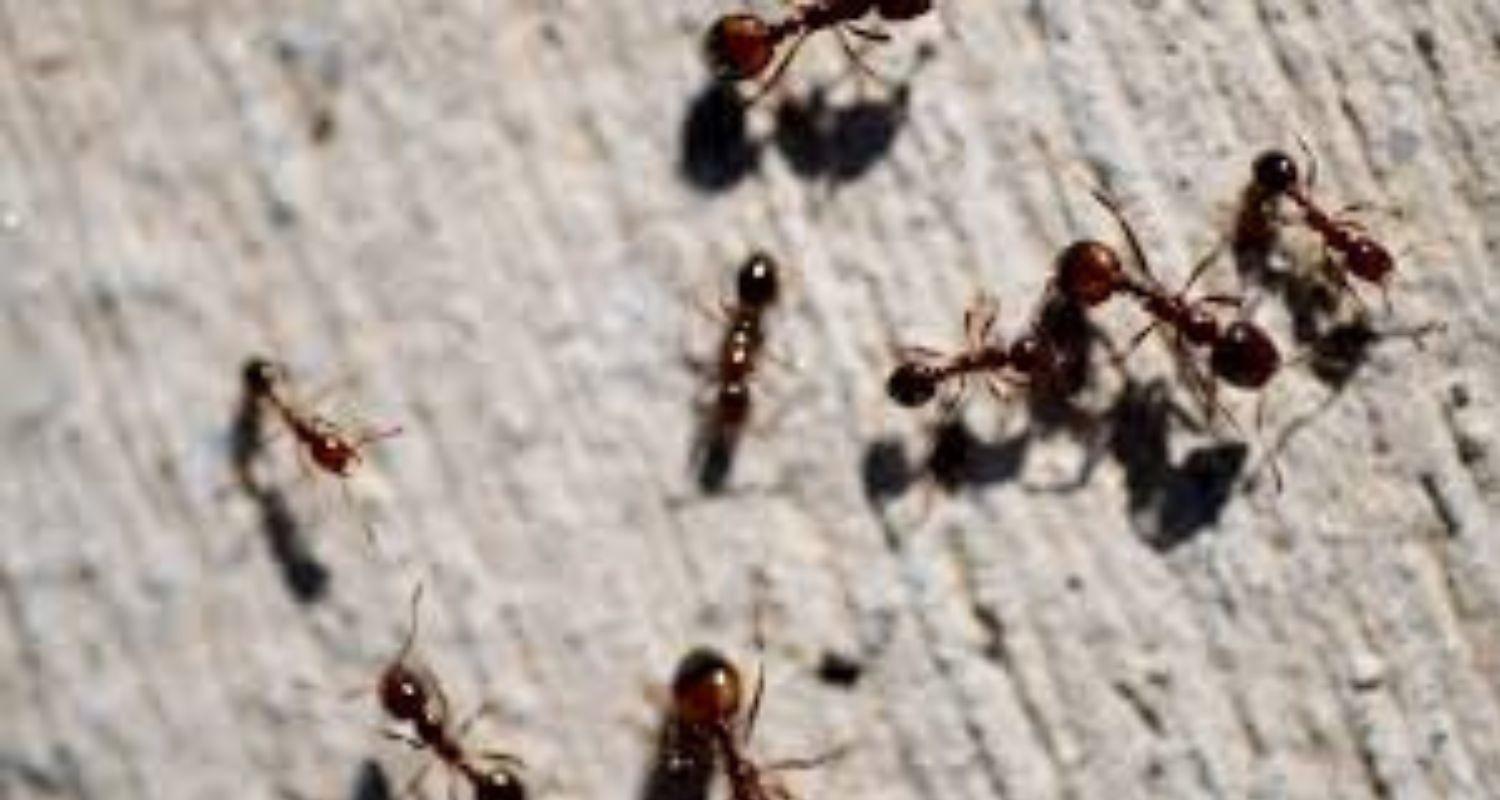
Ants are among the most successful and ubiquitous creatures on Earth, with an estimated 22,000 species thriving across various ecosystems worldwide.
In particular, tropical regions of Australia stand out as a global hotspot for ant biodiversity, with researchers estimating that the region could harbor as many as 5,000 distinct species. Some scientists believe that the ant diversity in this region may be unparalleled anywhere else on the planet.
However, despite their dominance in natural environments, ants frequently find their way into human homes, including high-rise apartments.
This leads to a common question: If ants are so well-adapted to outdoor survival, why do they invade our living spaces? And more importantly, what can be done to prevent these tiny intruders from making themselves at home?
A World Teeming with Ants
Ants are one of the most abundant life forms on the planet. At any given moment, the estimated global ant population is around 20 quadrillion— a staggering figure represented by 20 followed by 15 zeros.
To put this into perspective, for every human being on Earth, there are roughly 2.5 million ants. Given their overwhelming numbers, it should come as no surprise that ants frequently turn up in our homes.
The Social Structure of Ant Colonies
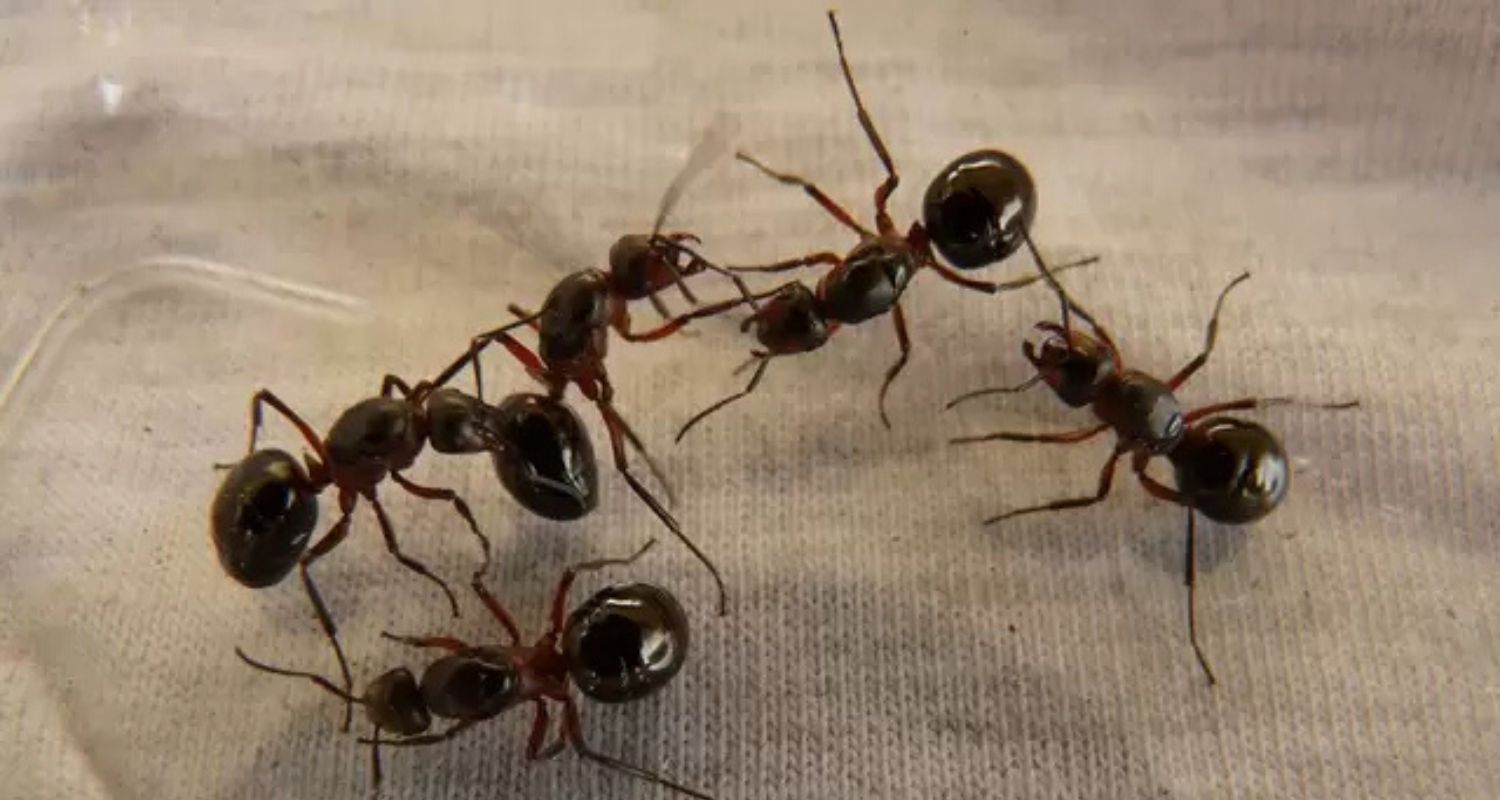
A key factor behind ants' evolutionary success is their highly social nature. Within an ant colony, different individuals play specialized roles.
The reproductive members include female queens and male drones, while worker ants—always female—are responsible for various tasks such as caring for the young, cleaning the nest, and foraging for food.
Unlike many other social animals, ant colonies do not have a single leader. Instead, they function through swarm intelligence, where individual ants follow relatively simple behavioral rules that collectively enable the colony to accomplish complex tasks. This decentralized organization allows ants to:
- Construct highly efficient trail networks.
- Form living bridges using their bodies.
- Cultivate and manage fungi or aphid farms for food production.
Studies have even shown that ants outperform humans in certain cooperative cognition tasks, further highlighting the efficiency of their collective behaviour.
Why Do Ants Invade Our Homes?
Ants' exceptional social structure is also the reason they are so adept at infiltrating human spaces. A colony consists of thousands of industrious workers, many of whom are perpetually searching for new food sources.
When a single ant discovers food in a house, it can quickly signal its nestmates, leading to a full-scale invasion.
Most common home-invading ants communicate through chemical signals known as pheromone trails. When an ant locates a food source, it deposits tiny droplets of pheromones along the path back to the nest, creating a scent trail that guides other ants directly to the food. This efficient system allows a single scout to rapidly mobilise thousands of workers.
In addition to food, ants may enter homes in search of water, particularly during hot weather. Certain species prefer humid environments, which is why they are frequently found in bathrooms or near water sources.
In some cases, entire colonies may establish themselves inside damp areas of a home. For instance, one researcher discovered a colony of sugar ants nesting inside an aquarium filter, as the enclosed, humid conditions made it an ideal habitat.
Conversely, excessive rainfall can flood underground nests, forcing ant colonies to seek drier shelter—sometimes leading them straight into houses.
Ants in Upper-Floor Apartments: How Do They Get There?
Many ant species are exceptional climbers, thanks to specialized adhesive pads and fine hairs on their feet. These structures enable them to cling to walls and traverse seemingly smooth surfaces with ease.
Some canopy-dwelling ant species have even evolved a survival mechanism called "controlled descent." When falling, these ants can steer their trajectory by adjusting their body position, allowing them to glide back toward tree trunks or other structures for safety.
How to Keep Ants Out of Your Home
Preventing ants from entering a home entirely can be a challenging task, given their sheer numbers and adaptability. However, there are practical measures that can significantly reduce the likelihood of an infestation:
- Eliminate Food Sources: Store food in airtight containers, clean up crumbs, and wipe down surfaces where sugary or greasy residues may attract ants. Don’t leave pet food out for extended periods, and ensure garbage bins are sealed properly.
- Disrupt Pheromone Trails: If ants are seen following a line, cleaning the area with vinegar or bleach can help disrupt their chemical communication. However, ants are adept at re-establishing broken trails, so repeated cleaning may be necessary.
- Seal Entry Points: Inspect and seal cracks, gaps, and other potential entry points around doors, windows, and walls. Ensure that fly screens on windows and doors are well-fitted.
- Consider Insecticidal Baits: If an ant infestation becomes unmanageable, insecticidal baits can be used to eliminate entire colonies. These baits contain slow-acting poison that foraging ants carry back to the nest, eventually killing the colony.
Should You Get Rid of Ants?
Before resorting to extreme measures, consider whether the presence of ants in your home is truly problematic. Most common household ants do not bite or sting and are relatively harmless. Often, simply removing their food source is enough to redirect them elsewhere.
Ants play an essential role in maintaining ecological balance. As nature’s cleanup crew, they help break down organic waste, control pest populations, and even assist in seed dispersal. Given their ecological significance, it may be worth tolerating a few ants rather than eradicating them outright.
Ants are one of nature’s most successful and fascinating creatures. Their complex social structures, cooperative intelligence, and remarkable adaptability have enabled them to thrive in diverse environments—including our homes.
While an occasional ant sighting indoors is almost inevitable, understanding their behavior and taking preventive measures can help keep them at bay without resorting to drastic extermination efforts.
Instead of viewing ants as mere pests, appreciating their role in the natural world may offer a fresh perspective on these industrious little insects.
(The Conversation)
