
Trending:
Kamasutra: A lost feminist guide to women's sexual autonomy
In Indian society, women’s sexual pleasure has historically been invisible, overshadowed by cultural silence. Women are often conditioned to suppress their desires, their voices muted by traditions that prioritize male needs. Follow us
News Arena Network - Mumbai - UPDATED: April 1, 2025, 04:11 PM - 2 min read

A representative image of Kamasutra.
For many, the Kamasutra is little more than a symbol tied to condom brands, scented oils, or chocolates shaped into suggestive forms. In India, where sex remains a taboo subject, this ancient manual is often dismissed as just a "dirty book."
However, this narrow perspective overlooks the deeper essence of the Kamasutra: it is a treatise on sexual autonomy, one that could be revolutionary, particularly for women.
In Indian society, women’s sexual pleasure has historically been invisible, overshadowed by cultural silence. Women are often conditioned to suppress their desires, their voices muted by traditions that prioritize male needs. Yet, it is within this very cultural context that the Kamasutra was written.
Composed in the 3rd century CE by the Indian philosopher Vatsyayana in ancient Sanskrit, the Kamasutra is far more than a mere guide to sexual positions. The term kama encompasses love, sex, desire, and pleasure, while sutra refers to a treatise or a guide. The text delves into relationships, ethics, and societal norms, offering a framework built on mutual respect and understanding between partners.
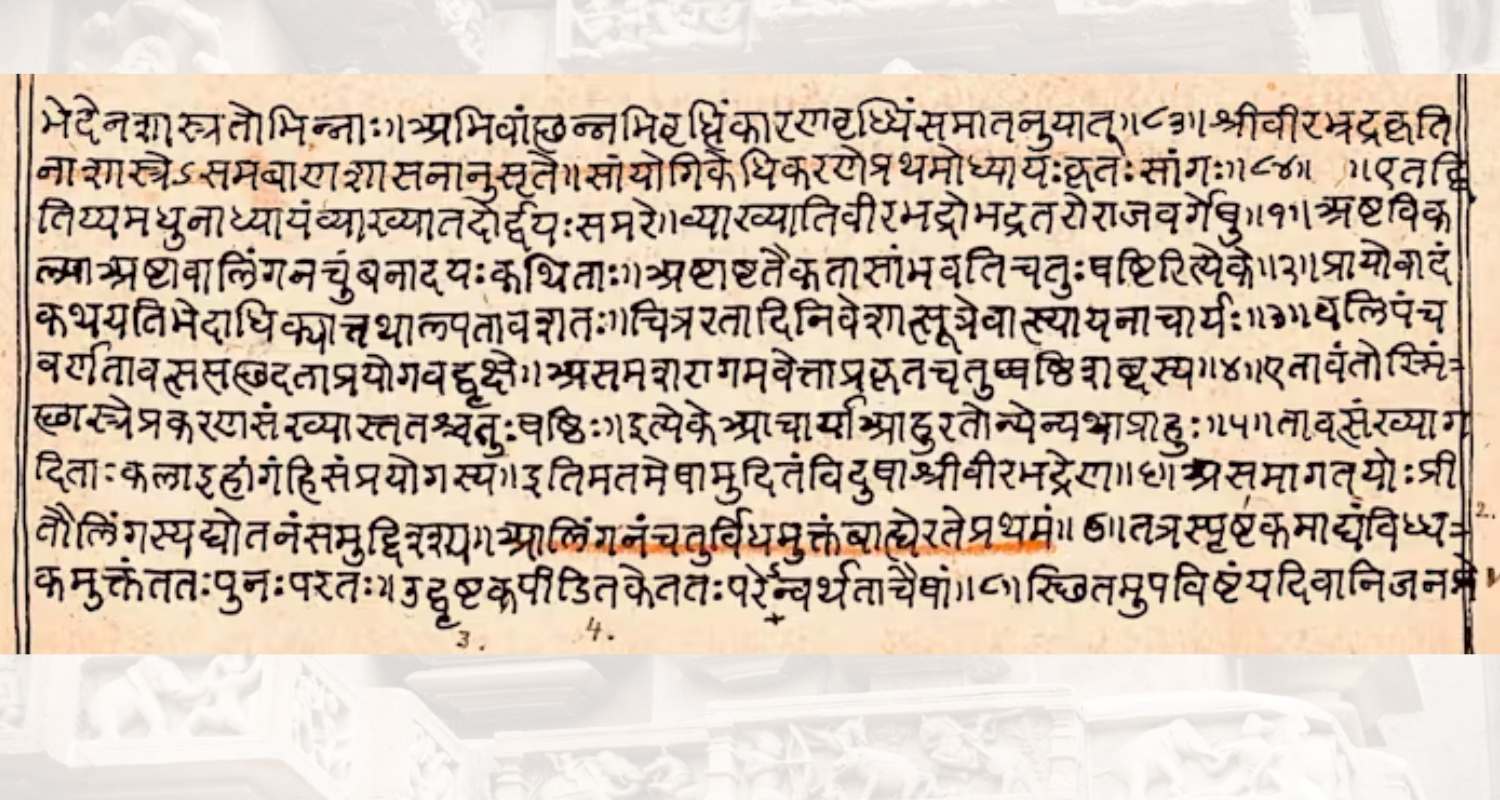
Wendy Doniger, a renowned scholar of Indian culture and society, argues in her 2016 book Redeeming the Kamasutra that Vatsyayana was not only an advocate for women’s pleasure but also an advocate for their right to education and the freedom to express desire.
Contrary to the misconception that the Kamasutra reinforces male dominance, Doniger stresses that the text originally emphasized the importance of mutual enjoyment and consent. The Kamasutra portrays sex as a shared experience between equals, not a male-dominated conquest.
The view of the Kamasutra as a male-centric manual can be traced to its first English translation by Sir Richard Burton in 1883. Burton, a British soldier and explorer, omitted or altered parts of the text that highlighted women’s autonomy, distorting their role from active participants to passive recipients of male pleasure. This alteration contributed to the modern misunderstanding of the text’s message.
On the other hand, scholars like Ganesh Saili assert that the Kamasutra originally depicted women as equal partners in intimacy. The text suggests that women communicated their desires through gestures, emotions, and words, ensuring their pleasure was equally prioritized.
Central to the Kamasutra’s philosophy is the concept of communication: conversation plays a pivotal role in intimacy, with a strong emphasis on the necessity of a woman’s consent before engaging in sexual activity.
Despite the Kamasutra's rich history, discussions around female sexuality in Indian society remain largely suppressed. Indian sex educator and journalist Leeza Mangaldas points out that women’s sexual pleasure is often treated as a taboo topic, with cultural expectations dictating that women remain silent, subservient, and sexually inactive before marriage. These societal norms further perpetuate the notion that female sexuality should be controlled and repressed.
Deepa Narayan, a social scientist, explains that this suppression often begins at home, where girls are taught to deny their own bodies and prioritize male desires. This control is reinforced by patriarchal social norms, which uphold virginity as a virtue for women, while placing no such expectation on men. In this framework, sex is seen as something that women "give" rather than something they experience.
For women, pleasure is an afterthought; for men, it is a right. Sex is often framed as a means for women to produce children, rather than an expression of mutual pleasure.
In stark contrast, the Kamasutra describes women as active participants in their pleasure. The text compares women’s sensuality to the delicacy of flowers, which require care, attention, and respect. This portrayal stands in direct opposition to the way women’s sexuality has been framed in much of modern society.
My research delves into what I term Kamasutra feminism—the idea that this ancient text is not merely about sex, but about sexual autonomy.
It challenges patriarchal norms by promoting women’s freedom to express their desires and take control of their pleasure. The Kamasutra rejects the idea that women’s sexuality should be suppressed or regulated. Instead, it advocates for mutual satisfaction and consent in sexual relationships.
Doniger herself describes the Kamasutra as a feminist text, emphasising its portrayal of women choosing their partners, freely expressing their desires, and engaging in pleasurable sexual relationships.
The Kamasutra also highlights the importance of economic independence in women’s sexual autonomy. Financial freedom is crucial, as it empowers women to make personal choices and assert their rights in relationships.
Ultimately, the Kamasutra represents a clash between patriarchy, which seeks to control women’s sexuality, and a vision of sexual liberty that promotes mutual respect and consent. It offers an alternative narrative, one where seduction is based on mutual enjoyment, not male domination. Its teachings encourage open conversations about intimacy, enabling women to reclaim their voices and assert their autonomy in relationships.
For more than a century, the Kamasutra has been misinterpreted and its radical message buried beneath layers of censorship and cultural shame. However, when we look beyond its erotic reputation, we find a text that speaks to the importance of consent, equality, and female agency.
Reclaiming the Kamasutra as a guide for sexual empowerment could help dismantle deeply ingrained taboos and reshape the conversation around women’s pleasure. In a world where female desire is still widely policed, this ancient manuscript reminds us that women’s pleasure is not a luxury, but a right.
