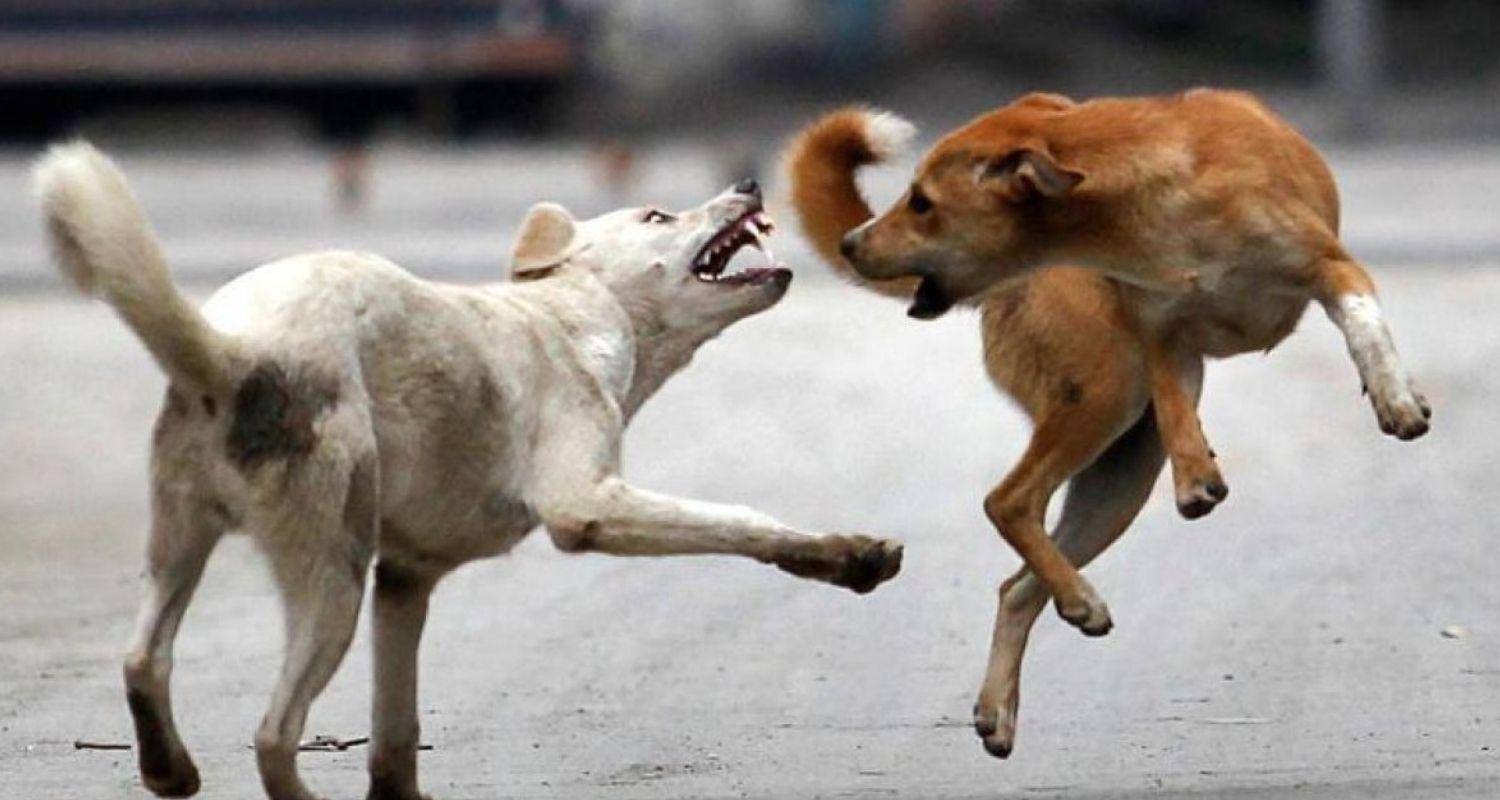
If you have grown up in rural India, you would have witnessed people feeding the village dog half a chapati with a few ounces of milk every day or a similar meal—surely insufficient for the canine’s needs. You would have also noticed that the same dog survived mainly by scavenging from nearby homes. In contrast, when offered, street dogs in cities refuse to eat even biscuits, overfed by households competing to care for them.
India’s unique mix of religious and cultural values creates a deep tolerance for non-humans and wildlife among rich and poor alike, often rooted in millennia of coexistence. People consciously endure significant risks to coexist with animals. However, this dynamic is shifting as cities grow and their dogs become more territorial in crowded and more littered shared spaces.
India has at least 60 million free-ranging dogs, an estimate more than a decade old. More recent surveys found about 1 million in Delhi alone. Relatedly, India also accounts for more than a third of global rabies deaths.
Unlike most western countries, Indian culture and laws forbid culling. Dogs must instead be caught, sterilised, vaccinated and—crucially—returned to their exact territory. In practice, these mandates are frequently ignored.
Things changed in August 2025. After several children were mauled by street dogs, the country’s Supreme Court briefly ordered all street dogs in Delhi and the surrounding region be rounded up and placed in shelters or pounds, promising dog-free streets for the first time in decades.
The order was unworkable—there simply aren’t shelters for millions of dogs—and sparked a fierce backlash from animal rights groups. Within two days, the court reversed its decision and reinstated the long-standing sterilisation policy.
Subsequent rulings have narrowed the focus. In November 2025, the court ordered that dogs be removed from schools, hospitals and public transport zones nationwide, while adding restrictions on public feeding and encouraging fencing to keep dogs away.
Most recently, on January 7, it directed the authorities to fence and secure all of India’s 1.5 million schools and colleges from dogs—all within just eight weeks. Yet, like the earlier order, the aggressive timeline ignores the infrastructure challenges and is unlikely to significantly reduce the frequency of bites or resulting infection. The court is currently holding hearings with interested parties, as it tries to find a middle ground between mass removal of dogs and animal welfare concerns.
The nation Is divided. It seems the”stat’ cannot kill these dogs, nor house them, nor control them. The question of what to do with them is one of public safety and animal welfare, but also something deeper: the latest chapter in one of evolution’s most remarkable partnerships.
An experiment in coexistence
Dogs are the only vertebrate species that followed human migration out of Africa into every climate and settlement. While the exact moment of domestication is uncertain, we know that dogs evolved to live alongside humans. But our cross-species ties now face unprecedented challenge of tropical urbanism.
In the past few centuries, as dogs earned their way into our homes, humans created over 400 breeds, fine-tuned for companionship, work or aesthetics. This co-evolution matters, as it means dogs are attuned to human cues and form strong attachments to specific people and places. In urban India, where dogs are unowned but aren’t truly wild, that attachment expresses itself as territorial behaviour over a home or someone who feeds them.
India’s unique social-ecological laboratory
India offers an unparalleled window into this relationship. Historically, street dogs served as scavengers. In poorer communities, they still do. But in more prosperous districts, they are now intentionally fed.
Also read: Why mountain birds sing at dawn
Preliminary research in Delhi reveals dogs organise into packs around specific households where a few committed feeders can meet nearly 100 per cent of their dietary needs. This supports much higher dog densities than scavenging ever could.
The urban collision
This is where ancient coexistence collides with modern urban design. Indian streets are multi-use spaces. In tropical climates, waste pickers and blue-collar workers often operate at night—the very hours when dogs are most territorial, and when the wealthier residents who feed them are asleep.
Dogs have adapted their behaviour—barking, chasing, occasionally biting—in ways that get unintentionally rewarded by feeders but create hazards for others. The statistics are sobering: millions of bites and thousands of rabies deaths each year.
Yet some backlash to the Supreme Court’s mandates was inevitable. As gentrification changes, who gets to decide what urban life should look like, a conflict of values has emerged. Some value shared animal presence, while others prioritise risk elimination.
The path forward
We may have reached “peak mutualism” in India’s cities. Despite daily nuisances everyone suffers—the barking, the chasing—millions still feed these dogs. Yet the same dog that wags its tail at familiar feeders may bite someone new. This is not irrational aggression; it is territorial protection born of deep association with a specific human community.
Western cities culled their street dogs long ago because social priorities were more uniform. India’s diversity means no such consensus exists. It may take another 20 or 30 years before its urban population uniformly sees the presence of territorial dogs as intolerable.
As India urbanises, it must decide whether to maintain spaces for ancient relationships that predate cities themselves or follow the western path of total management. The village resident’s half-chapati ritual represented an older compact: minimal investment, peaceful coexistence and mutual benefit. Delhi’s overfed, territory-defending dogs represent a new, more intensified intimacy—and it is unclear whether this serves either species well.

 Follow us