Around 44 per cent of EU homes have at least one pet, of which over 90 per cent are cats or dogs. While we’ve been bringing more and more pets into our lives in recent decades, the trend really shot up during the COVID pandemic. Europe’s pet population rose by an estimated 11 per cent in 2022 to reach 340 million in total, primarily cats (127 million) and dogs (104 million).
As people take in more and more pets, they are increasingly concerned with protecting their welfare. At the same time, falling wildlife numbers mean we are also increasingly preoccupied with preserving biodiversity.
These two concerns are not always easy to reconcile. While there is some overlap between wildlife preservation and animal welfare, there is a clear bias when it comes to weighing up the needs of domestic and wild animals – especially when the two interact.
A recent study identifies the key points of conflict between animal welfare advocates and nature conservationists. It analyses the ways in which the EU could reduce the impact of companion animals on wild animals.
Conflicting legal frameworks
The European Union has robust environmental legislation, with the Birds and Habitats Directives playing a particularly important role in protecting wildlife. In contrast, animal welfare legislation – especially that relating to companion animals – is much more recent, and effectively still in its infancy.
Naturally, animal welfare only covers domestic species, leaving wild animals under environmental legislation. This imbalance has created a significant regulatory gap, particularly when it comes to the question of what happens when pets cause damage to wildlife.
Pets in the wild
Pets that have the biggest impact on wildlife are those that become feral. Abandoned or escaped animals can form self-sustaining populations in the wild, with serious consequences for native species.
Parrots that escape from homes are a good example of this. Species such as rose-ringed parakeet or the monk parakeet have established colonies in many European cities. Although there is a clear consensus that they are invasive species, their management presents a complex socio-environmental conflict.
There is no doubt that parrots compete with native species for nesting sites and resources. But since they are a charismatic species, beloved by the public, measures to control their numbers often cause controversy.
However, the feral pet that is the biggest source of concern is the domestic cat. Considered one of the most harmful invasive predators on the planet, it is responsible for around 25 per cent of recent extinctions of reptiles, birds and mammals worldwide.
Despite the evidence, there is still considerable resistance across Europe to recognising feral cats as an invasive species. This limits the legal options for managing their impact.
Pets on the prowl
Many domestic pets spend part of their time unsupervised outdoors. In the case of dogs, the impacts mainly take the form of preying on wildlife and disease transmission.
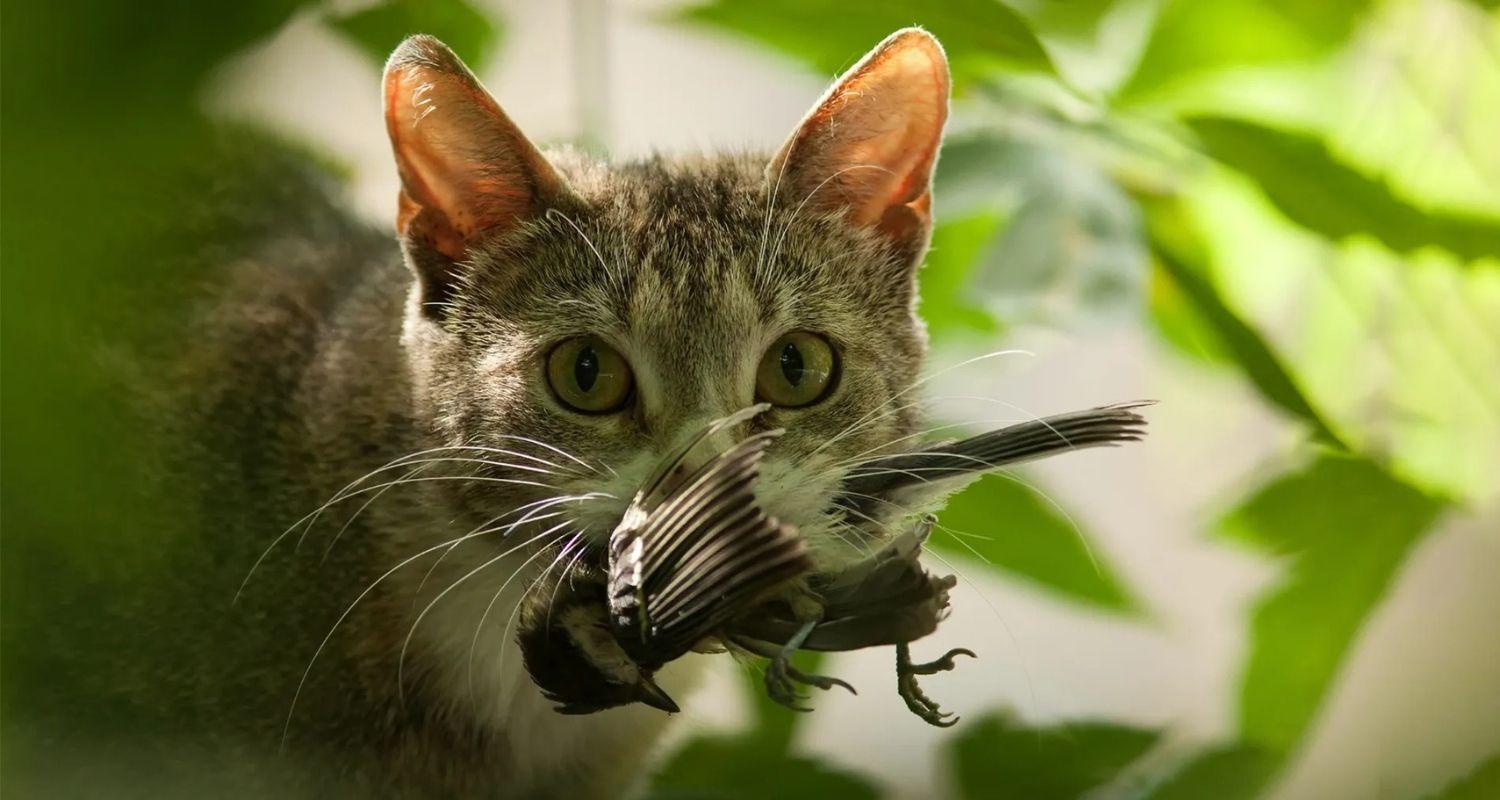
Cats who come and go as they please are also predators, even when they are well fed. They particularly affect bird and small vertebrate populations in urban and suburban areas.
Also read: Private land found to be crucial refuge for rare frogs
A particular case is that of cat colonies. Control of stray cat populations is usually the responsibility of EU Member States, resulting in widely varying approaches that range from the removal of animals to trap, neuter and return (TNR) programmes.
Although TNR is socially accepted, scientific evidence shows that, in most cases, it is not an effective way to reduce cat populations or their short-term impact on wildlife.
Dog walking
Walking dogs in nature is a popular way to spend free time, and its growing popularity has led some areas to create designated dog beaches. This type of management is likely good for the health of pets and their owners, but not for wildlife.
On natural beaches, for example, dogs can seriously affect ground-nesting birds such as Kentish plovers. Even when there is no direct predation, the mere presence of a dog can cause birds to abandon their nests or reduce incubation time, harming their breeding success.
Animal welfare and conservation
As biodiversity declines and the number of pets in European households increases, wildlife conservation and animal welfare advocacy are increasingly at loggerheads. We urgently need to reconcile these different perspectives and align their respective legal frameworks.
The EU has legal scope to act. Environmental directives already force Member States to prevent damage to protected species, which could translate into clearer restrictions on the free roaming of pets, especially in protected natural areas.
At the same time, the development of new animal welfare legislation offers an opportunity to reinforce owners’ responsibility, while also reducing the impact of freedom of movement and preventing them from being abandoned or becoming feral.
The authorities need to get serious about the need to regulate the impact of pets, and pet owners need to be involved in preventing this impact. Only by doing this can we avoid a world where the only wild animals we see on our walks in nature are our own pets.
Via The Conversation

 Follow us