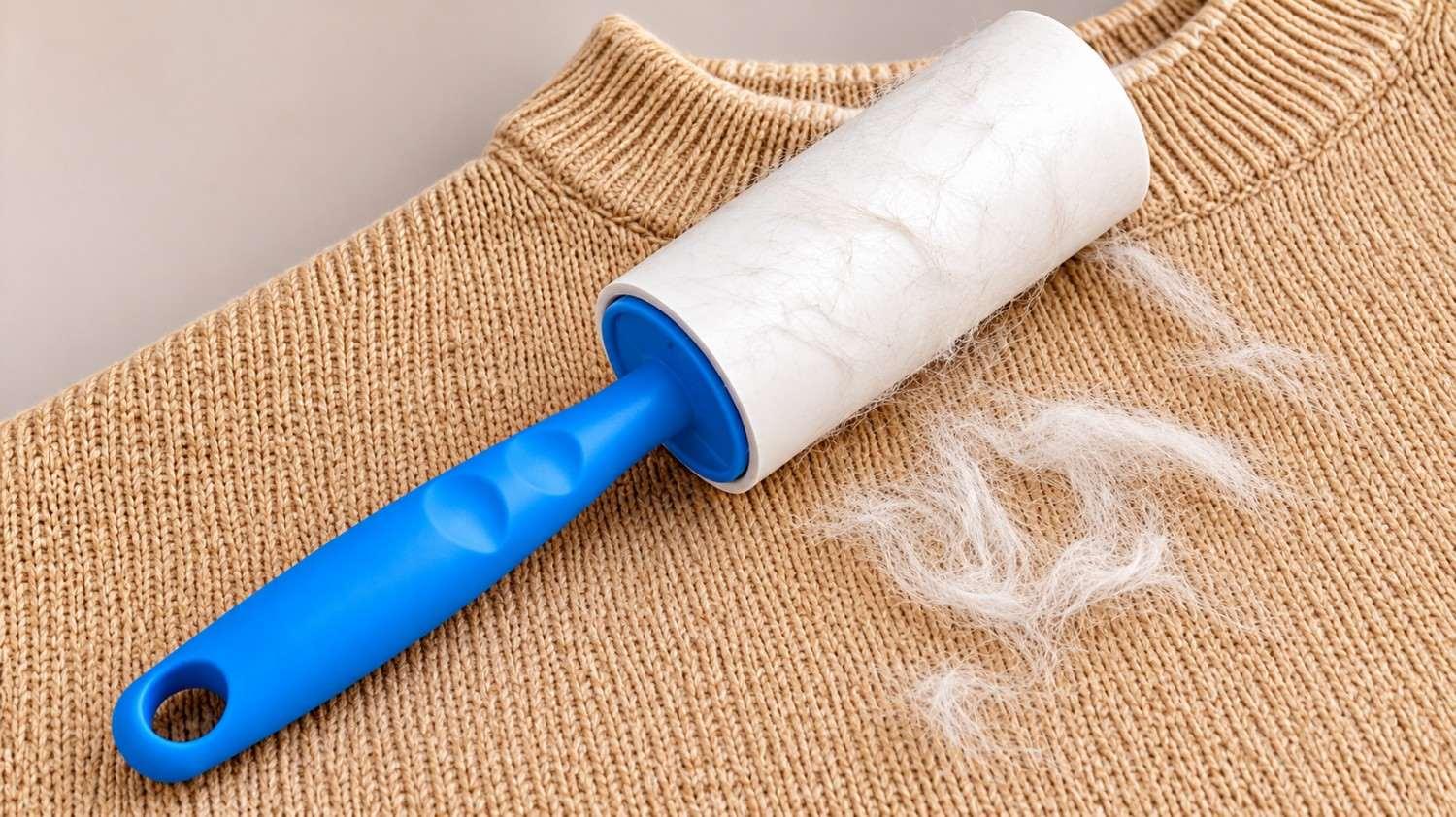
The tendency of clothes to collect lint, dust and loose fibres depends largely on the material used, the way the fabric is made, its surface texture, and its response to friction and static electricity.
Dinesh Agrawal, CEO and co-founder of Caslay, explained that the type of fibre is one of the main reasons some garments attract more lint than others. Natural materials such as cotton and wool can release loose fibres during regular use, washing and friction. These fibres may then settle on other clothes and appear as lint.
Fabrics made with shorter staple fibres are more likely to shed because the shorter strands can gradually work their way out of the yarn. Materials with brushed or raised surfaces, including fleece and some knitted fabrics, can also hold loose particles more easily because of their textured construction.
Synthetic fabrics such as polyester behave differently. They generally shed fewer fibres than some natural materials, but they can build up static electricity, especially in dry conditions or after repeated friction. The resulting static charge attracts lint, dust and hair from the surrounding environment, which can make the garment look less clean.
Fabric construction is another important factor. Loosely woven or knitted materials may expose more fibres on the surface, creating additional places for particles to settle. Tightly woven fabrics with smoother finishes usually provide fewer opportunities for loose fibres and dust to become trapped. The length, strength and arrangement of the individual fibres also affect how the material performs over time.
Understanding a garment’s composition and construction can help consumers make more suitable wardrobe choices. These characteristics influence not only how clothing looks and feels, but also its everyday performance, maintenance requirements and durability, particularly when garments are worn frequently in different settings.
How to reduce lint on clothes
Basic laundry practices can help limit lint accumulation. Clothes should be washed according to their fabric type, while lint-producing items such as towels and fleece should be kept separate from smoother garments.
Avoiding an overloaded washing machine and following the recommended wash cycle can also reduce friction and fibre transfer. Turning clothes inside out before washing helps protect the outer surface and may further limit the amount of lint that settles on the garment.
Ultimately, a fabric’s lint behaviour is closely connected to its fibre composition and construction. Recognising these differences allows consumers to choose clothing more carefully and maintain their wardrobes with greater attention to the needs of each material.

 Follow us