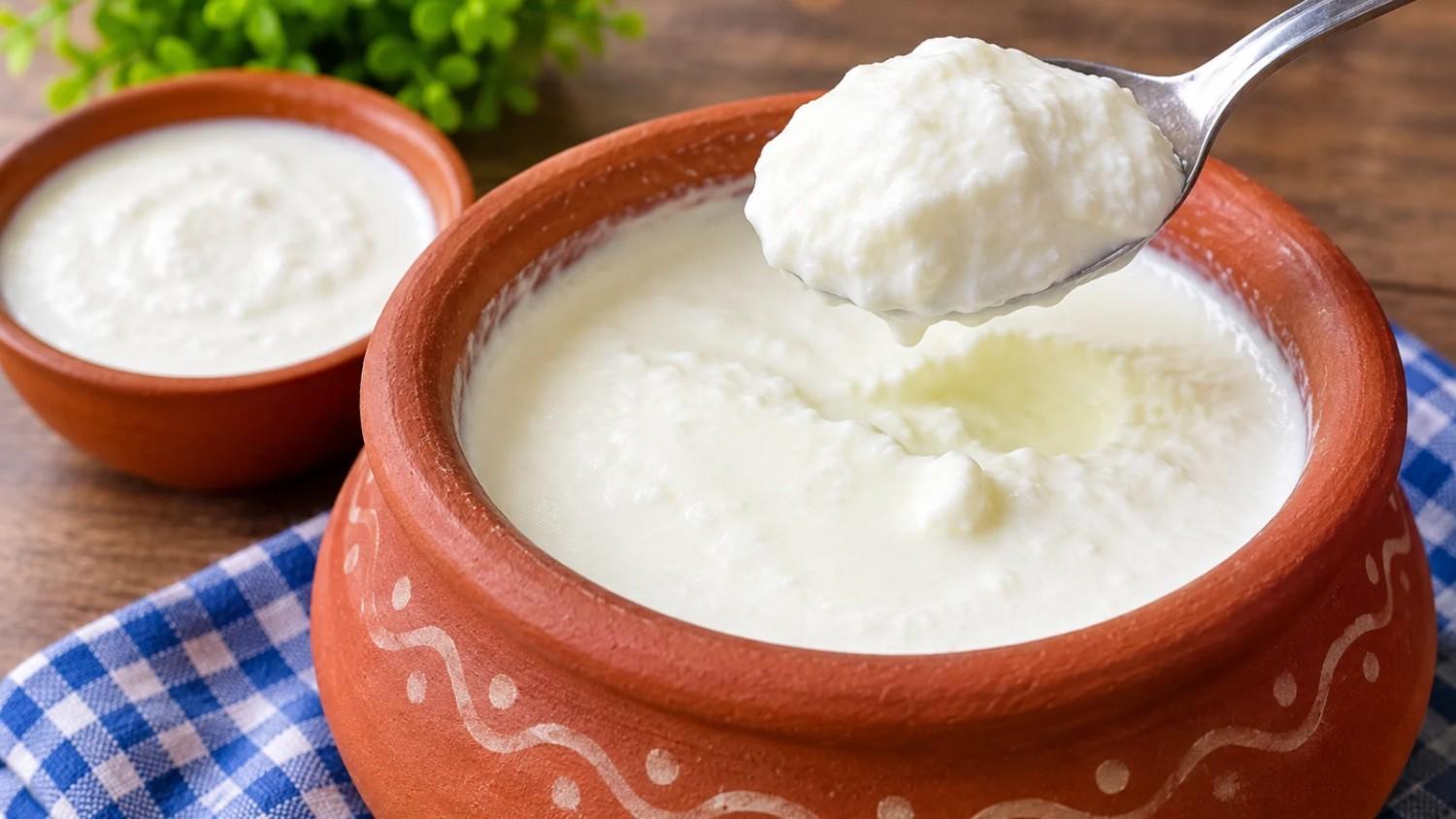
Homemade curd can turn excessively sour or develop a watery layer when factors such as milk quality, temperature, fermentation time and the quantity of starter culture are not properly controlled.
Dr Nethra N, consultant in internal medicine at Manipal Hospitals, Electronic City, Bangalore, explains that watery curd is commonly linked to low milk solids, an unsuitable fermentation temperature or movement while the curd is setting.
Why does curd become watery?
Milk with lower fat or solid content may not form the thick and creamy texture expected from homemade curd. Full-fat milk generally produces a richer and firmer result.
Disturbing the container during the setting process is another common reason for whey separation. Shaking or shifting the container can disrupt the developing protein network, allowing whey—the watery liquid that separates from curd—to gather on the surface.
What causes excessive sourness?
Curd becomes sour mainly because of over-fermentation. Bacteria in the starter culture convert lactose, the natural sugar in milk, into lactic acid. As the fermentation continues, the acidity rises and the curd develops a sharper taste.
Keeping the curd outside for an extended period, especially in warm Indian weather, speeds up fermentation. Using an excessive amount of starter culture can also make the curd set faster and turn sour.
How to make thicker and milder curd
For better results, boil the milk first and let it cool until it becomes lukewarm before adding the starter. The milk should feel comfortably warm to the touch and not hot.
A small quantity of fresh, well-set curd is sufficient as a starter. Mix it gently into the lukewarm milk, cover the container and keep it undisturbed until the curd sets. Once it has set, place it in the refrigerator to slow further fermentation and help retain its flavour.
Seasonal temperature also affects the process. Curd ferments much faster in summer, so the setting time should be reduced. In winter, the process can take considerably longer.
Well-made curd generally has a smooth and cohesive texture, a mild tang and minimal whey separation. Maintaining the right balance of temperature, starter culture and time is essential for achieving consistent results at home.
Note: This article is for informational purposes only and is not a substitute for professional advice. Consult an expert for specific concerns or questions.

 Follow us