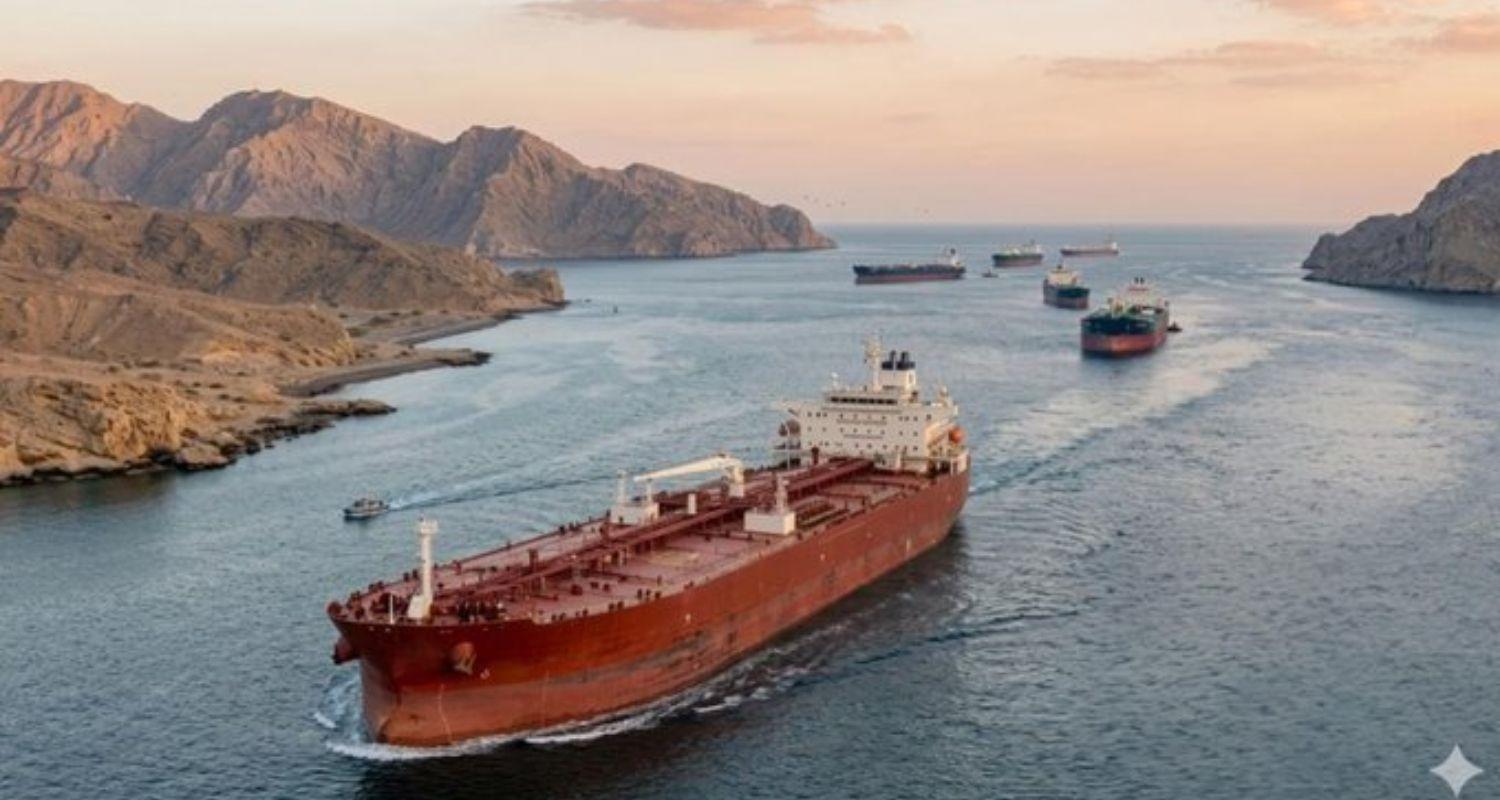
The Indian government has confirmed that there are 28 ships carrying essential energy supplies that remain stranded in the Persian Gulf due to the ongoing conflict in West Asia, which continues to hold up shipping in the Strait of Hormuz. During a media briefing, Rajesh Kumar Sinha, Special Secretary in the Ministry of Ports, Shipping, and Waterways, revealed that there are 18 Indian ships and 10 foreign ships carrying crude oil, LNG, and LPG to Indian ports.
The logistical bottleneck is significant; roughly 485 seafarers are currently aboard these ships, which are anchored in high-risk zones where insurance premiums have skyrocketed from 0.04 per cent to as high as 0.7 per cent of the insured value. Despite the tension, there has been a sliver of progress following Tehran’s recent assurance that "non-hostile" vessels may transit the waterway after coordination. So far, eight Indian-flagged ships have successfully navigated the strait, including the LPG carriers BW Tyr and BW Elm, which are carrying a combined 94,000 tonnes of cooking gas. The BW Tyr is expected to dock in Mumbai today, while the BW Elm is due at New Mangalore on April 1.
New Delhi’s diplomatic efforts appear to be yielding results, with several tankers — including the MT Shivalik, MT Nanda Devi, and the oil tanker Jag Laadki — already having reached Gujarat earlier this month. However, the situation remains precarious. While 28 Indian-flagged vessels were originally caught in the crossfire when the war erupted on 28 February, the government is currently prioritising the extraction of those still in the Gulf rather than sending emptied tankers back for refills.
The stakes could not be higher for India’s energy security. The Strait of Hormuz is the primary artery for nearly 90 per cent of the country's LPG imports and 40 per cent of its crude oil. While Sinha assured the public that all Indian seafarers are safe and no fresh incidents have been reported in the last 72 hours, the Ministry remains on high alert. The focus for now is a delicate balancing act: maintaining diplomatic channels with Tehran to ensure a steady "trickle-out" of these high-value cargoes while global energy markets remain on edge.
Also read: Trump willing to end war even if Hormuz remains shut: Sources

 Follow us